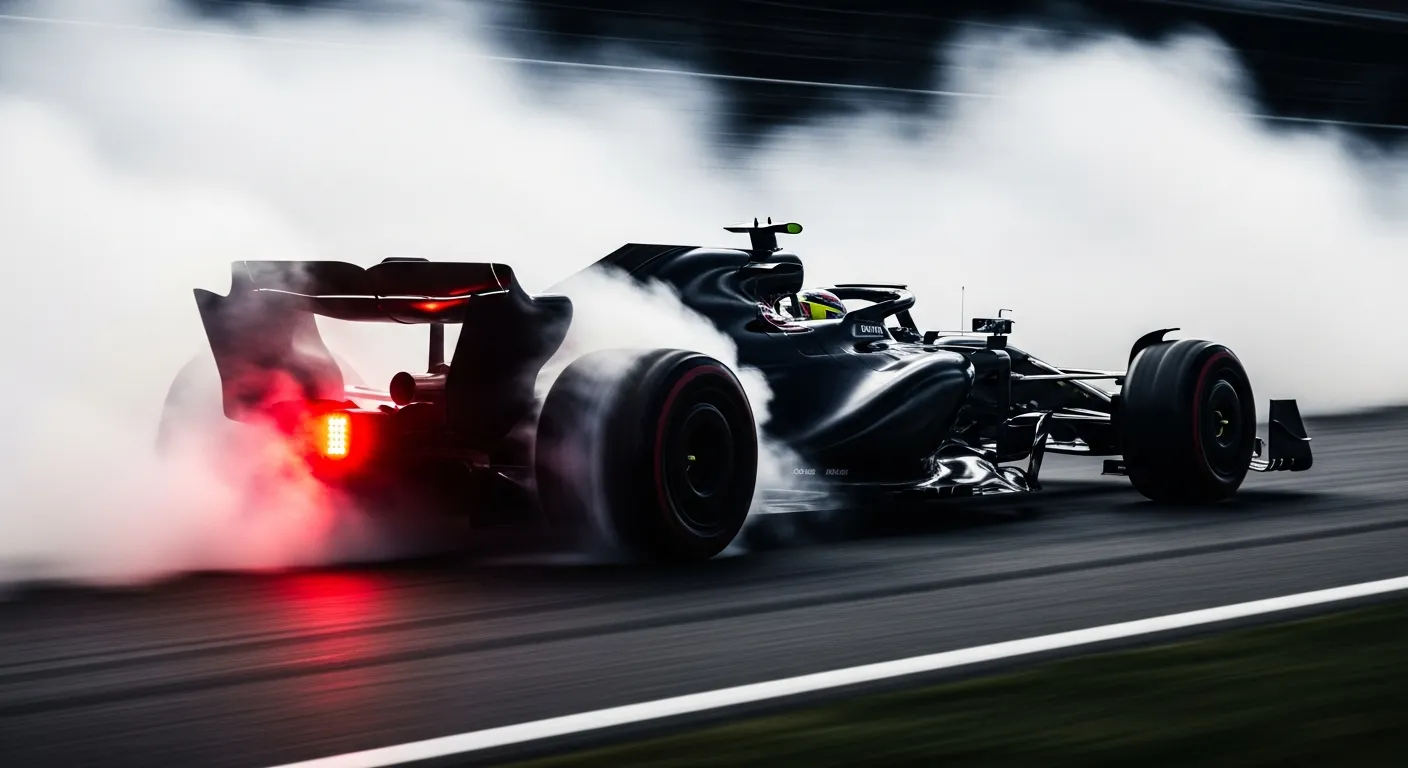
Circuit snapshot
Source: Jolpica F1 API- Location
- São Paulo, Brazil
- First F1 race
- 1973 · Brazilian Grand Prix
- Most recent race
- 2026 · São Paulo Grand Prix
- Seasons hosted
- 43
- Eras hosted
- 1970s · 1980s · 1990s · 2000s · 2010s · 2020s
The Autodromo Jose Carlos Pace, better known as Interlagos, stands as one of Formula 1's most revered and challenging circuits, deeply woven into the sport's history with its unique anti-clockwise flow and significant elevation changes. Since its inaugural Formula 1 Grand Prix in 1973, the circuit has hosted 43 races, establishing itself as a cornerstone across six decades, from the 1970s through to the 2020s, with races confirmed through 2026. This enduring presence makes it a true icon of the sport, as detailed in the comprehensive Jolpica — F1 circuit dataset.
Layout & Character
Located between two artificial lakes in São Paulo, giving rise to its popular name 'Interlagos' (meaning 'between lakes'), the 4.309 km circuit is a permanent fixture on the calendar. Its 15 corners are a blend of high-speed sweeps and tight technical sections. The circuit's anti-clockwise direction, a rarity on the F1 calendar, presents a distinct physical challenge to drivers, placing unusual strain on their neck muscles. Key features include the iconic 'Senna S' — a fast, downhill left-right chicane immediately after the start/finish straight — and the sweeping 'Curva do Sol'. The back section, leading into the 'Subida do Lago' and the long uphill run to the final corner, provides ample overtaking opportunities, particularly with the DRS zones. For a more detailed look at its evolution, the interlagos — Wikipedia page offers extensive historical context.
Driving challenge
Interlagos demands a delicate balance from both car and driver. The significant elevation changes, particularly the climb from the lowest point at Turn 4 up to the final corner, stress the power unit and require precise throttle control. The circuit's abrasive surface and a mix of high-speed demands and heavy braking zones contribute to considerable tyre degradation. Drivers must manage their tyres carefully, especially given the often-unpredictable weather conditions that can swing from scorching heat to torrential rain. The anti-clockwise nature also means different muscle groups are engaged compared to most circuits, adding to the physical toll over a race distance. Circuits like Autodromo Hermanos Rodriguez, with its high-altitude thin air, present a different kind of engine challenge, but Interlagos's physical demands are unique.
How the venue shapes a race weekend
Interlagos is renowned for producing unpredictable and thrilling races. The short lap length, combined with the undulating layout, often leads to close qualifying sessions and strategic battles on Sunday. Safety Cars are a frequent occurrence, especially in mixed conditions, which can completely reshuffle the race order. The passionate Brazilian crowd, known for its fervent support, adds an electric atmosphere, particularly for any local heroes. The track's characteristics often lead to races that are decided in the final laps, keeping fans on the edge of their seats. The official Formula 1 — race calendar + circuit pages often highlight Interlagos as a fan favorite for its dramatic potential.
Strategic importance in the season
Historically, the São Paulo Grand Prix, or its predecessor the Brazilian Grand Prix, has often been positioned late in the Formula 1 season. This placement has frequently made it a crucial venue for championship deciders, adding immense pressure and drama to the proceedings. The unpredictable weather, combined with the challenging layout, means that even a small mistake can have significant championship implications. The strategic choices made by teams regarding tyre compounds and pit stop timings are often magnified here, making it a true test of both driver skill and team strategy. Much like Autodromo Nazionale Monza is a temple of speed, Interlagos is a temple of drama, often delivering climactic moments. The circuit's ability to throw up surprises ensures its continued relevance as a pivotal race on the calendar.
Explore Autodromo Jose Carlos Pace
- By eraSão Paulo Grand Prix in the 2026 regulations
- Driver recordGabriel Bortoleto at the São Paulo Grand Prix
- Team recordKick Sauber at the São Paulo Grand Prix
- Driver recordIsack Hadjar at the São Paulo Grand Prix
- Team recordRacing Bulls at the São Paulo Grand Prix
- Driver recordCarlos Sainz at the São Paulo Grand Prix
- Team recordHaas at the São Paulo Grand Prix
- Driver recordAlexander Albon at the São Paulo Grand Prix
Common questions
- Why is it called Interlagos?
- The circuit's popular name, Interlagos, translates to 'between lakes' in Portuguese, referring to its original location nestled between two artificial reservoirs in São Paulo.
- What makes its layout unique?
- Interlagos is one of the few anti-clockwise circuits on the F1 calendar. It also features significant elevation changes, a mix of high-speed sections, and tight, technical corners, creating a demanding and dynamic driving experience.