Circuit snapshot
Source: Jolpica F1 API- Location
- Las Vegas, United States of America
- First F1 race
- 2023 · Las Vegas Grand Prix
- Most recent race
- 2026 · Las Vegas Grand Prix
- Seasons hosted
- 4
- Eras hosted
- 2020s
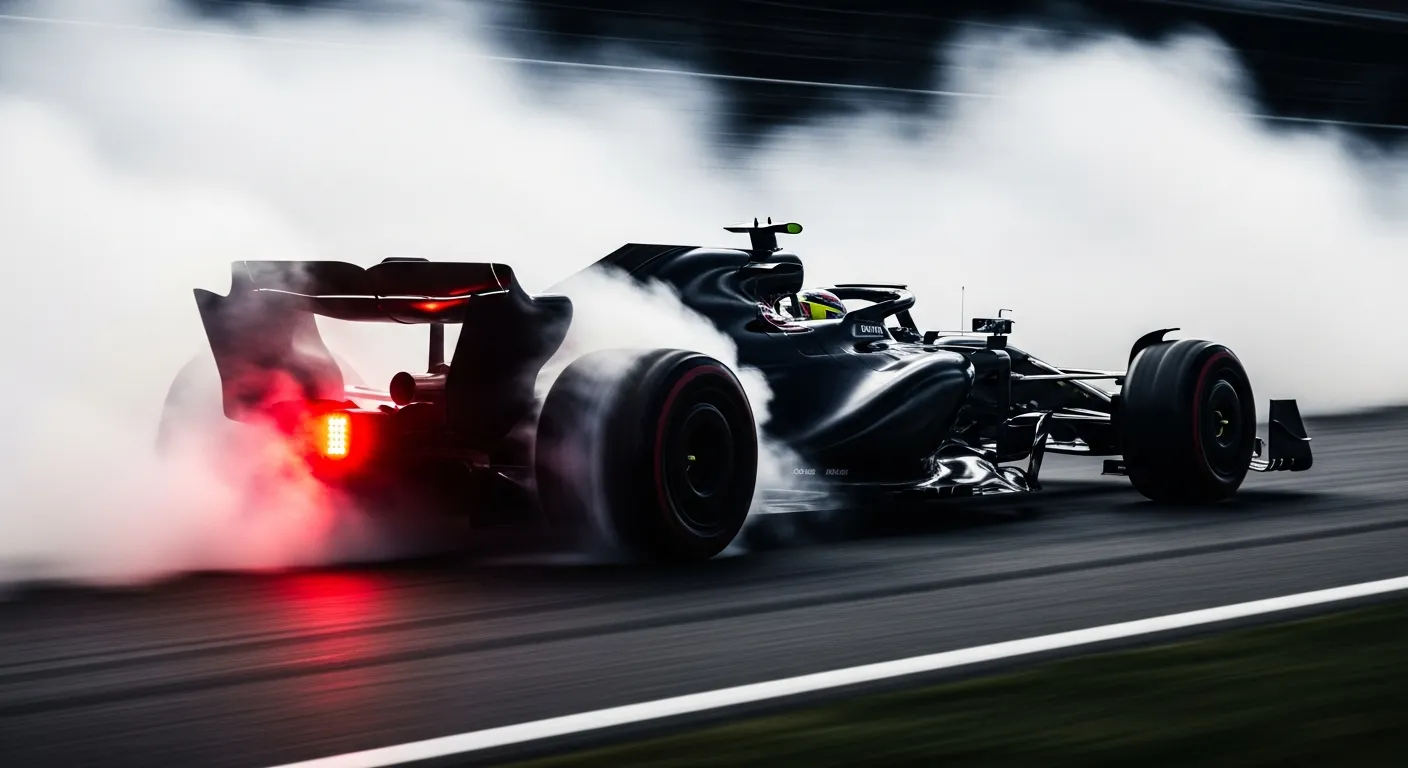
The Las Vegas Strip Circuit stands out as a unique night race, integrating iconic city landmarks into its high-speed, temporary street layout. First joining the Formula 1 calendar in 2023, this circuit quickly established itself as a visually striking and high-octane addition to the championship, having hosted a total of 4 races across the 2020s decade, with its last race currently scheduled for 2026.
Layout & Character
Spanning 6.201 kilometers and featuring 17 corners, the Las Vegas Strip Circuit is characterized by its exceptionally long straights, particularly the section along the famous Las Vegas Strip itself. This design choice prioritizes outright speed, creating a stark contrast to more technical street circuits like the Baku City Circuit, which also features long straights but often with tighter, more intricate sections. The track's temporary nature means it is laid out on existing public roads, presenting a unique challenge in terms of surface grip and track evolution. The circuit's layout includes a mix of flowing curves and sharp braking zones, demanding a versatile car setup. Racing under the bright lights of Las Vegas adds another layer of spectacle, making it one of the most visually distinctive rounds on the calendar.
Driving challenge
Drivers face a multifaceted challenge on the Las Vegas Strip Circuit. The long straights necessitate low-drag setups, pushing engines and aerodynamic efficiency to their limits, akin to the demands seen at the "Temple of Speed," Autodromo Nazionale Monza. However, this must be balanced with the need for strong braking performance into the circuit's tight hairpins and chicanes. The street surface, often cold due to the late-night race slot, can offer limited grip, making tire management and warm-up crucial. The proximity of concrete walls, a common feature of street circuits, leaves little margin for error, placing a premium on precision and concentration. The relatively flat nature of the circuit, combined with high speeds, also means that any small mistake can be amplified.
How the venue shapes a race weekend
The Las Vegas Grand Prix is more than just a race; it's an event deeply intertwined with its host city's identity. The late-night schedule, designed to accommodate a global television audience and the city's unique rhythm, means practice and qualifying sessions often extend into the early hours of the morning. This can impact team operations and driver acclimatization. The temporary nature of the circuit construction, while impressive in its scale, also means that track evolution is a significant factor throughout the weekend, with grip levels generally improving as more rubber is laid down. The sheer spectacle and entertainment surrounding the event, from opening ceremonies to off-track activities, create an atmosphere unlike almost any other Grand Prix, drawing immense global attention to Formula 1 and the host city.
Strategic importance in the season
Positioned late in the Formula 1 season, the Las Vegas Grand Prix often holds significant strategic importance. Its unique demands – high speed, street circuit characteristics, and night racing – can sometimes upset the established pecking order, offering opportunities for teams that excel in these specific conditions. The high potential for safety cars due to the unforgiving walls can also introduce an element of unpredictability, influencing tire strategies and race outcomes. As one of the final races of the year, results here can be crucial for championship battles, solidifying driver and constructor standings, or providing a final push for teams vying for crucial points. The circuit's relatively young history, as detailed in datasets like Jolpica's F1 circuit data, means teams are still refining their understanding of its nuances, adding another layer of strategic complexity.
Explore Las Vegas Strip Circuit
- By eraLas Vegas Grand Prix in the V8 era
- Driver recordGabriel Bortoleto at the Las Vegas Grand Prix
- Team recordKick Sauber at the Las Vegas Grand Prix
- Driver recordIsack Hadjar at the Las Vegas Grand Prix
- Team recordRacing Bulls at the Las Vegas Grand Prix
- Driver recordCarlos Sainz at the Las Vegas Grand Prix
- Team recordHaas at the Las Vegas Grand Prix
- Driver recordAlexander Albon at the Las Vegas Grand Prix
Common questions
- When was the first Las Vegas Grand Prix?
- The Las Vegas Grand Prix made its debut on the Formula 1 calendar in 2023, marking a significant return of F1 to the city.
- What type of circuit is the Las Vegas Strip Circuit?
- It is a temporary street circuit, meaning it is constructed on existing public roads, including a prominent section of the Las Vegas Strip.
- How long is the Las Vegas Strip Circuit?
- The circuit measures 6.201 kilometers (3.853 miles) in length and features 17 corners, designed for high-speed racing.