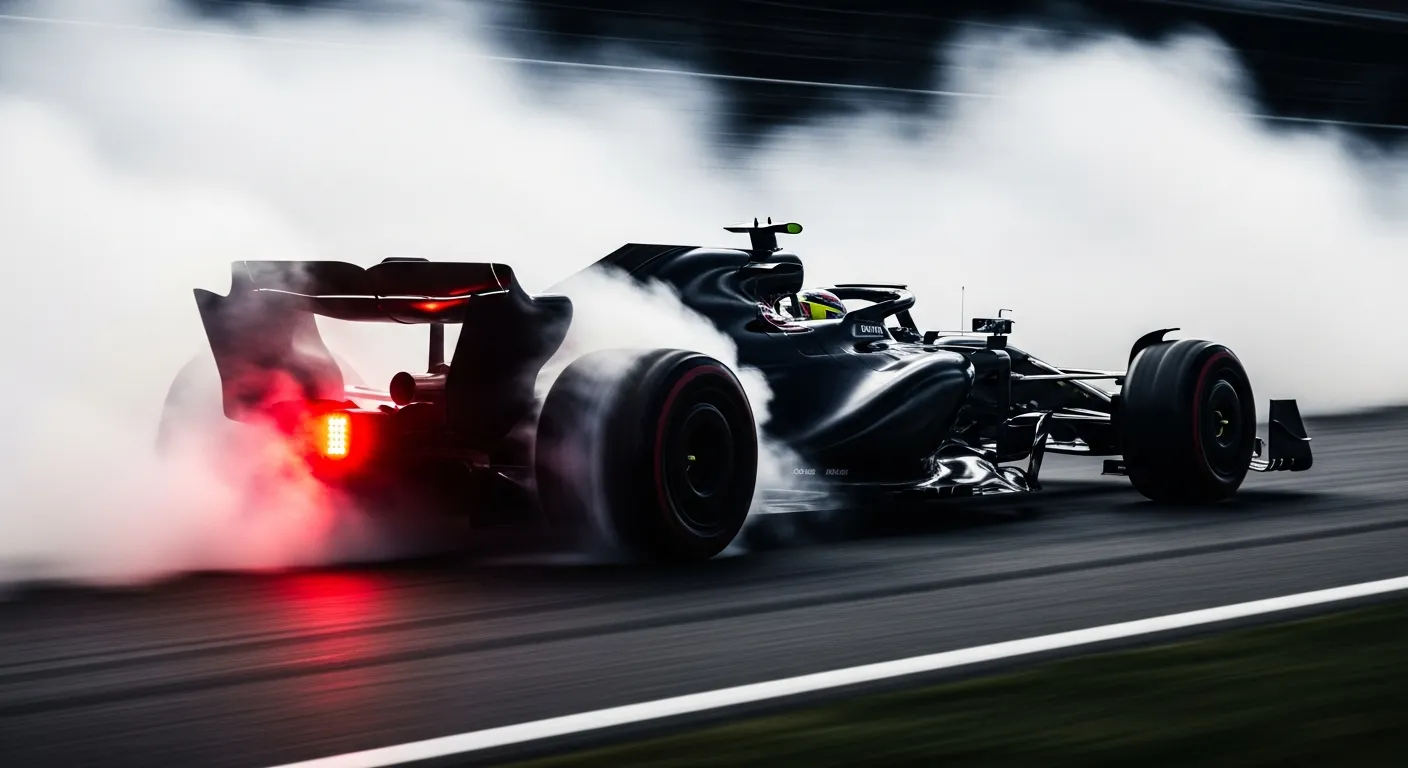
Circuit snapshot
Source: Jolpica F1 API- Location
- Mexico City, Mexico
- First F1 race
- 1963 · Mexican Grand Prix
- Most recent race
- 2026 · Mexican Grand Prix
- Seasons hosted
- 26
- Eras hosted
- 1960s · 1970s · 1980s · 1990s · 2010s · 2020s
The Autódromo Hermanos Rodríguez, situated over 2,200 meters above sea level in Mexico City, stands as a singular challenge on the Formula 1 calendar, its extreme altitude dictating a unique set of engineering compromises and driving strategies. This permanent circuit, with a rich history dating back to its first Formula 1 Grand Prix in 1963, has hosted a total of 26 races, spanning six distinct decades from the 1960s to the 2020s, with its latest confirmed race in 2026, according to the Jolpica — F1 circuit dataset.
Layout & Character
The 4.304 km circuit features 17 corners, offering a compelling mix of high-speed straights and technical sections. The most defining characteristic is undoubtedly the incredibly long main straight, which allows cars to reach some of the highest top speeds of the season, despite the thin air's effect on engine power. This straight leads into a heavy braking zone, a prime overtaking opportunity. Following this, the circuit transitions into a series of medium-speed corners before culminating in the iconic Foro Sol stadium section. This unique part of the track, winding through a former baseball stadium, provides an unparalleled atmosphere, with grandstands packed with passionate fans, reminiscent of the unique fan engagement found at circuits like Circuit de Spa-Francorchamps.
Driving challenge
Drivers face a multifaceted challenge at the Autódromo Hermanos Rodríguez. The thin air significantly reduces aerodynamic downforce, making the cars feel lighter and more prone to sliding, even with maximum wing angles applied. This necessitates a delicate balance between achieving grip through mechanical setup and managing the car's stability. Braking stability is paramount, especially into Turn 1 after the long straight, where errors can be costly. The high-speed esses and the technical stadium section demand precision and confidence, while the reduced engine power due to altitude means drivers must be exceptionally smooth and efficient with their throttle application to maintain momentum. Tyre management is also a critical factor, as the low downforce can lead to increased sliding and thermal degradation.
How the venue shapes a race weekend
The altitude fundamentally alters car setup and performance. Teams run maximum downforce wings, yet the air density means the actual downforce generated is comparable to a low-downforce setup at sea level. This leads to cars sliding more, making mechanical grip and suspension tuning crucial. Engine performance is also heavily impacted; turbochargers work harder to compensate for the lack of oxygen, pushing power units to their limits and raising concerns about reliability and cooling. This unique environment often shuffles the competitive order, as teams that excel in high-downforce, low-power conditions can find an unexpected advantage. It’s a stark contrast to the pure speed demands seen at venues like Autodromo Nazionale Monza.
Strategic importance in the season
Often positioned in the latter half of the Formula 1 — race calendar + circuit pages, the Mexico City Grand Prix can play a pivotal role in championship battles. Its unique demands mean that a strong performance here doesn't necessarily translate from previous races, potentially introducing an element of unpredictability. Teams must dedicate significant resources to understanding and optimizing their cars for these specific conditions, which can divert focus from other late-season developments. The circuit's long history, alongside other foundational circuits like Silverstone Circuit, underscores its enduring place in F1, offering a distinctive technical and atmospheric challenge that drivers and engineers alike must master.
Explore Autodromo Hermanos Rodriguez
- By eraMexico City Grand Prix in the V8 era
- Driver recordGabriel Bortoleto at the Mexico City Grand Prix
- Team recordKick Sauber at the Mexico City Grand Prix
- Driver recordIsack Hadjar at the Mexico City Grand Prix
- Team recordRacing Bulls at the Mexico City Grand Prix
- Driver recordCarlos Sainz at the Mexico City Grand Prix
- Team recordHaas at the Mexico City Grand Prix
- Driver recordAlexander Albon at the Mexico City Grand Prix
Common questions
- Why is the altitude at Autódromo Hermanos Rodríguez so important?
- The circuit's high altitude means the air is much thinner. This significantly reduces aerodynamic downforce, making cars feel lighter and harder to grip, and also diminishes engine power, forcing turbochargers to work harder.
- What is the Foro Sol section?
- The Foro Sol is a unique stadium section of the track that winds through a former baseball field. It's famous for its electrifying atmosphere, with grandstands packed with fans, creating one of the most memorable spectator experiences in F1.