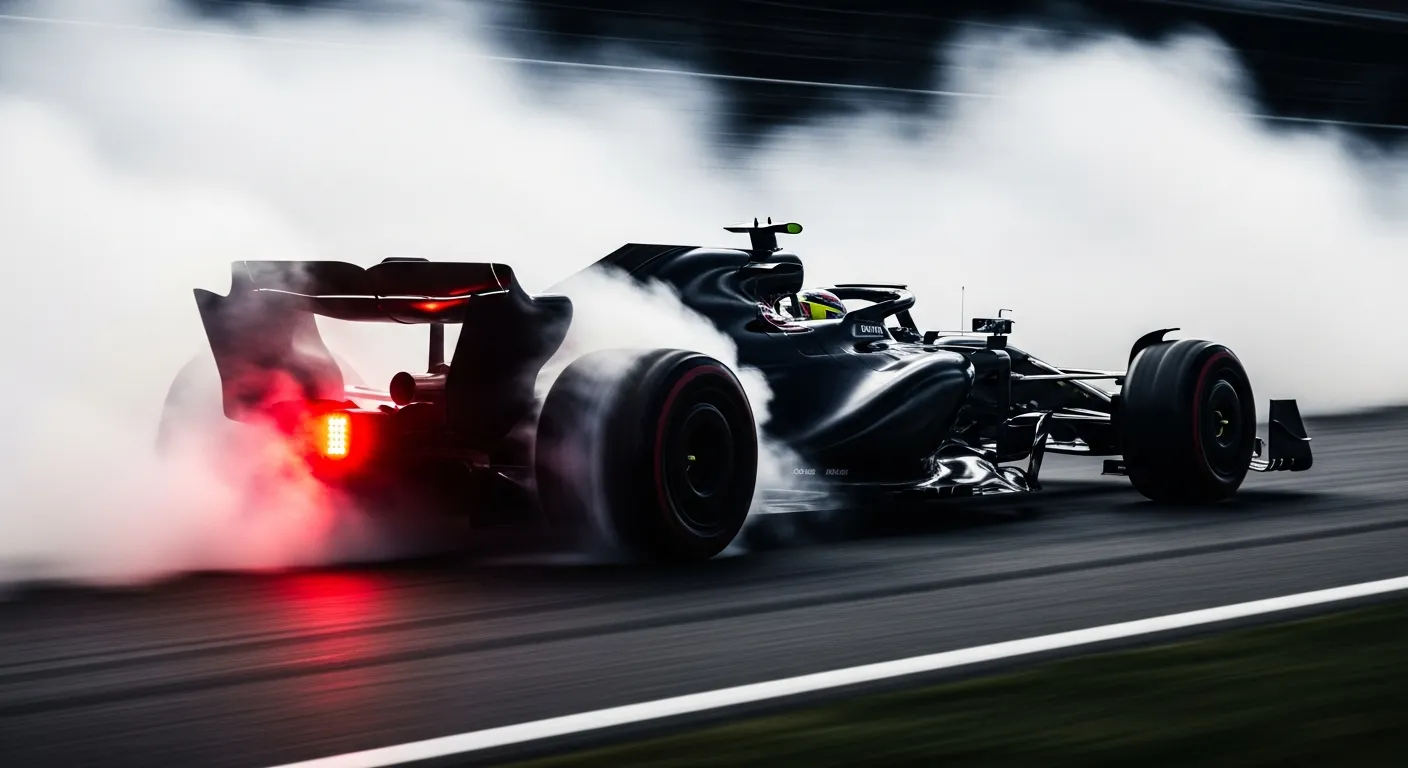
Circuit snapshot
Source: Jolpica F1 API- Location
- Miami Gardens, United States of America
- First F1 race
- 2022 · Miami Grand Prix
- Most recent race
- 2026 · Miami Grand Prix
- Seasons hosted
- 5
- Eras hosted
- 2020s
The Miami International Autodrome, carved into the complex surrounding Hard Rock Stadium in Miami Gardens, stands as a modern testament to Formula 1's expanding presence in the United States. Since its inaugural race in 2022, this distinctive venue has hosted a total of 5 Grand Prix events, establishing itself as a fixture in the early part of the F1 calendar through the 2020s, with its current tenure extending to 2026.
Layout & Character
Spanning 5.412 kilometers with 19 corners, the Miami International Autodrome is a unique hybrid: a temporary street circuit purpose-built for Formula 1. Unlike historic, permanent tracks such as the Silverstone Circuit or the high-speed Autodromo Nazionale Monza, Miami's layout is designed to integrate seamlessly with its urban surroundings, offering a blend of long straights and intricate, technical sections. The circuit winds around the iconic Hard Rock Stadium, creating a striking visual backdrop that is distinctly American. While the temporary nature means the track surface can evolve significantly throughout a race weekend, the design prioritizes overtaking opportunities and high-speed thrills, reflecting the vibrant energy of Miami itself.
Driving challenge
The circuit presents a demanding challenge for drivers and engineers alike. High-speed sectors, particularly the long run down to Turn 17, lead into heavy braking zones that test both car stability and driver precision. The tight, low-speed chicanes, especially around Turns 14-15, require pinpoint accuracy, with unforgiving concrete barriers waiting for any misjudgment, typical of many street circuits. Tyre management is a critical factor, as the combination of high ambient temperatures, humidity, and abrasive surface can lead to significant degradation, demanding careful strategic planning from teams. The dynamic grip evolution of the track surface, from initial green conditions to rubbered-in asphalt, adds another layer of complexity over the course of practice, qualifying, and the race.
How the venue shapes a race weekend
The Miami Grand Prix is as much a spectacle as it is a sporting event, deeply shaping the race weekend experience. The venue is meticulously designed to offer a premium fan experience, integrating hospitality zones and entertainment alongside the racing action. The backdrop of Hard Rock Stadium and the surrounding campus provides a distinct atmosphere, a stark contrast to the natural amphitheaters of circuits like the Red Bull Ring. Weather conditions frequently play a role, with high heat and humidity often testing driver endurance and car cooling systems, and the ever-present possibility of sudden tropical downpours adding an element of unpredictability. The logistics of operating a Formula 1 event in a temporary, urban setting also present unique challenges for teams and event organizers, contributing to the overall character of the weekend. For general information on F1 racing and its calendar, the Formula 1 official website is an excellent resource.
Strategic importance in the season
Positioned early in the Formula 1 calendar, typically in May, the Miami Grand Prix holds significant strategic importance. It serves as an early-season benchmark for car development, providing crucial data on how new designs and upgrades perform on a high-speed, yet technically demanding, layout. The points garnered here can be vital in shaping the early championship standings for both drivers and constructors. As one of the key races in the North American leg of the championship, it also plays a role in the sport's global expansion efforts. The unique characteristics of the circuit, as detailed in comprehensive F1 circuit datasets like Jolpica's F1 circuit data, mean that teams must adapt their setups specifically for Miami, often requiring a different approach compared to more traditional European circuits or even other street circuits like Circuit Zandvoort. Its distinct blend of speed and technicality ensures that success in Miami often reflects a well-rounded car and driver package.
Explore Miami International Autodrome
- By eraMiami Grand Prix in the V8 era
- Driver recordGabriel Bortoleto at the Miami Grand Prix
- Team recordKick Sauber at the Miami Grand Prix
- Driver recordIsack Hadjar at the Miami Grand Prix
- Team recordRacing Bulls at the Miami Grand Prix
- Driver recordCarlos Sainz at the Miami Grand Prix
- Team recordHaas at the Miami Grand Prix
- Driver recordAlexander Albon at the Miami Grand Prix
Common questions
- When was the first Miami Grand Prix held?
- The inaugural Formula 1 Miami Grand Prix took place in 2022, marking a significant expansion of the sport's presence in the United States.
- Is the Miami International Autodrome a permanent circuit?
- No, while purpose-built for Formula 1, it is a temporary street circuit constructed annually around Hard Rock Stadium in Miami Gardens.