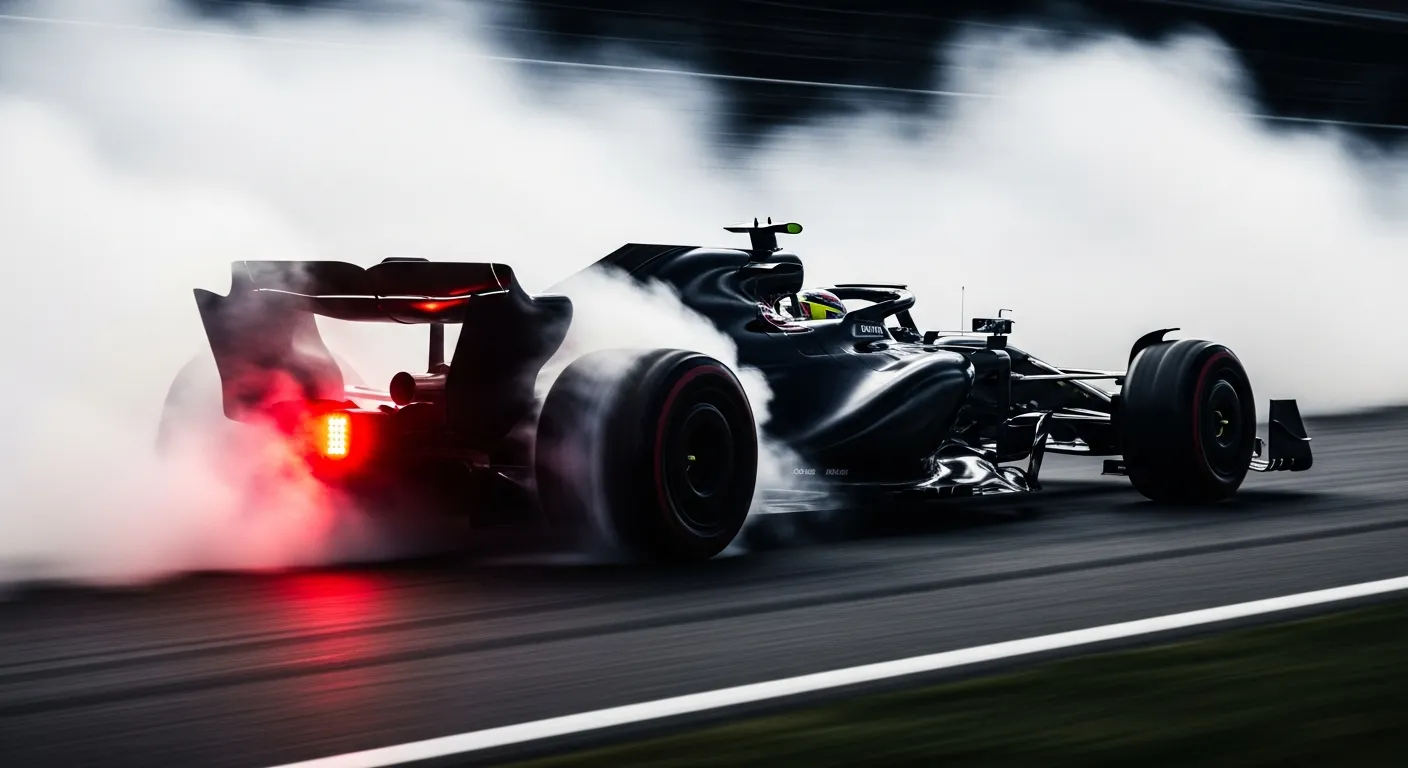
Circuit snapshot
Source: Jolpica F1 API- Location
- Spa, Belgium
- First F1 race
- 1950 · Belgian Grand Prix
- Most recent race
- 2026 · Belgian Grand Prix
- Seasons hosted
- 59
- Eras hosted
- 1950s · 1960s · 1970s · 1980s · 1990s · 2000s · 2010s · 2020s
Circuit de Spa-Francorchamps, nestled deep in the Ardennes forest, remains a singular challenge on the Formula 1 calendar, defined by its immense length, dramatic elevation changes, and the legendary Eau Rouge-Raidillon complex. Since its inaugural Formula 1 Grand Prix in 1950, this permanent circuit in Stavelot, Belgium, has hosted the Belgian Grand Prix a remarkable 59 times, spanning every decade from the 1950s through the 2020s. Its enduring presence, with the last scheduled race in 2026, underscores its status as a cornerstone of the sport's heritage.
Layout & Character
At 7.004 kilometers, Spa-Francorchamps is the longest circuit on the current Formula 1 calendar, a sprawling track that winds through the undulating landscape of the Ardennes. Its 19 corners offer a diverse mix of high-speed straights, sweeping bends, and tight chicanes. The circuit's most famous section, the iconic Eau Rouge and Raidillon, is a breathtaking uphill left-right-left sequence that drivers aim to take flat out, demanding immense bravery and a perfectly balanced car. This section, along with other high-commitment corners like Pouhon and Blanchimont, contributes to Spa's reputation as a true driver's circuit. The sheer scale of the track means that weather conditions can vary significantly across different sectors, adding another layer of unpredictability to every session. For a deeper dive into its history and evolution, the spa francorchamps — Wikipedia page offers extensive details.
Driving challenge
The demands placed on drivers at Spa are multifaceted. The long straights, particularly the run from Raidillon to Les Combes, necessitate a car with strong straight-line speed, while the technical middle sector requires excellent aerodynamic balance and precise handling. Drivers must commit fully through high-speed corners, often with little runoff, pushing the limits of grip and courage. Tyre management is critical over the circuit's 7-kilometer length, as the high-speed sections and significant elevation changes put considerable stress on the compounds. Much like the demanding uphill sections at the Circuit of the Americas, Spa's elevation changes require precise throttle control and setup compromises. Unlike circuits such as the Autodromo Hermanos Rodriguez, where thin air significantly impacts engine performance and downforce, Spa's challenge comes from its raw physical demands and the constant battle against gravity and G-forces. This combination of speed, technicality, and endurance makes it one of the most revered tests in motorsport.
How the venue shapes a race weekend
The sheer length of Spa-Francorchamps has a tangible impact on race weekends. Safety Car periods, when they occur, can stretch for several laps, influencing strategic windows and potentially bunching up the field. The unpredictable Ardennes weather is a constant talking point, with rain often appearing suddenly and affecting only parts of the circuit, leading to frantic pit lane activity and dramatic shifts in race dynamics. This volatility often creates thrilling races, making it a fan favorite. The circuit's expansive nature also allows for a unique spectator experience, with fans often able to walk significant distances to different viewing points around the track. For details on upcoming events and the current F1 calendar, the Formula 1 — race calendar + circuit pages provide comprehensive information.
Strategic importance in the season
Positioned typically in the latter half of the calendar, the Belgian Grand Prix at Spa often plays a crucial role in the championship narrative. Its unique characteristics mean that a strong performance here can signal a team's genuine all-around strength, rewarding both aerodynamic efficiency and engine power. The unpredictable weather can also be a wildcard, offering opportunities for underdog teams or drivers to capitalize on chaotic conditions. Unlike the tight, technical confines of a street circuit like the Marina Bay Street Circuit, Spa rewards outright pace and bravery. Teams must find a delicate balance in their car setup, optimizing for both the high-speed sectors and the more technical turns, a challenge that can expose any weaknesses in a car's design. The historical data for circuits, including Spa-Francorchamps, can be explored via resources like the Jolpica — F1 circuit dataset.
Spa-Francorchamps remains a benchmark, a circuit that demands the utmost from both machine and driver, consistently delivering memorable moments in Formula 1 history.
Explore Circuit de Spa-Francorchamps
- By eraBelgian Grand Prix in the 2026 regulations
- Driver recordGabriel Bortoleto at the Belgian Grand Prix
- Team recordKick Sauber at the Belgian Grand Prix
- Driver recordIsack Hadjar at the Belgian Grand Prix
- Team recordRacing Bulls at the Belgian Grand Prix
- Driver recordCarlos Sainz at the Belgian Grand Prix
- Team recordHaas at the Belgian Grand Prix
- Driver recordAlexander Albon at the Belgian Grand Prix
Common questions
- What is Eau Rouge?
- Eau Rouge is the iconic, uphill left-right-left corner sequence at Spa, immediately followed by Raidillon, a steep climb to a blind crest. It's famous for its extreme compression and the challenge of taking it flat out.
- Why is Spa-Francorchamps so long?
- Its 7.004 km length is a legacy of its original 14.1 km layout, which used public roads. While significantly shortened for safety, it retains much of its historic character and expansive nature, making it the longest circuit on the current F1 calendar.