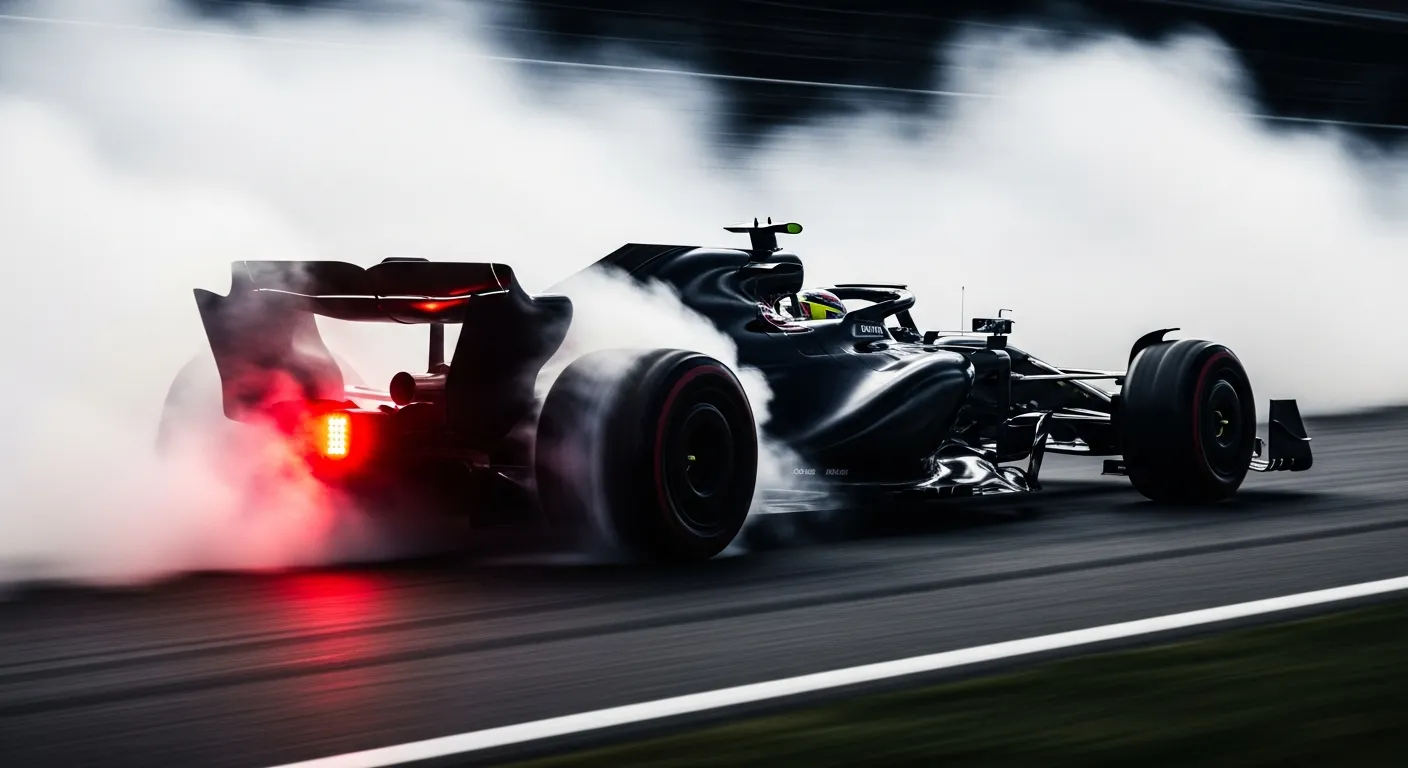
Circuit snapshot
Source: Jolpica F1 API- Location
- Zandvoort, Netherlands
- First F1 race
- 1952 · Dutch Grand Prix
- Most recent race
- 2026 · Dutch Grand Prix
- Seasons hosted
- 36
- Eras hosted
- 1950s · 1960s · 1970s · 1980s · 2020s
Circuit Zandvoort stands out on the Formula 1 calendar for its unique, undulating layout carved into the Dutch dunes, presenting a relentless series of high-speed corners and challenging banked turns. This historic venue, situated on the North Sea coast, has hosted the Dutch Grand Prix for a total of 36 seasons, beginning in 1952 and continuing through to 2026, bridging several distinct eras of Formula 1.
Layout & Character
The 4.259 km Circuit Zandvoort is characterized by its flowing nature and a distinct lack of long straights, featuring 14 corners that demand continuous driver input. Unlike many modern circuits designed with vast run-off areas, Zandvoort retains a more traditional feel with gravel traps and close barriers, adding to the high-stakes atmosphere. Its most defining features are the two steeply banked corners: the Hugenholtzbocht (Turn 3) and the Arie Luyendykbocht (Turn 14). The Arie Luyendykbocht, in particular, was re-profiled for F1's return, allowing cars to carry significantly more speed onto the main straight, creating an additional DRS zone potential. This compact design, nestled within a natural amphitheater of sand dunes, gives the circuit a unique visual and auditory experience for spectators. The circuit's evolution over decades, from its initial layout in the 1950s and 60s to its modern iteration, reflects the changing demands of Formula 1 while retaining its core identity. More details on the circuit's history can be found on its Wikipedia page.
Driving challenge
Drivers at Zandvoort face a formidable test of precision, commitment, and physical endurance. The circuit's continuous flow means there are few opportunities for a breather, with sustained lateral G-forces through its numerous high-speed corners. The unique banking of the Hugenholtzbocht and Arie Luyendykbocht demands specific car setup and driving lines, pushing the limits of grip and driver confidence. Braking points are often critical and immediate following high-speed sections, such as into Turn 1 (Tarzanbocht), which is a prime, albeit challenging, overtaking spot. Tyre management is also a significant factor; the abrasive surface and the high-energy demands of the banked corners and quick changes of direction put considerable stress on the compounds. This constant demand for performance, without the respite of long straights seen at tracks like Autodromo Nazionale Monza, makes Zandvoort a true driver's circuit.
How the venue shapes a race weekend
The compact nature of Circuit Zandvoort, combined with its location in a coastal town, creates a vibrant, festival-like atmosphere for the Dutch Grand Prix. The limited space for paddock and spectator facilities, while charming, also presents operational challenges. On track, the narrow layout and high-speed corners mean that qualifying performance is paramount. Overtaking opportunities are notoriously scarce, making track position critical. This often leads to strategic battles in the pits, with teams looking for undercut or overcut opportunities to gain an advantage. Safety Car periods, often triggered by incidents on the unforgiving circuit, can dramatically reshape race outcomes, adding another layer of strategic complexity. The circuit's design, with its rapid succession of turns, also means that even minor errors can be heavily penalized, sometimes leading to contact with barriers or gravel traps. For a broader overview of the F1 calendar and circuits, the official Formula 1 website offers comprehensive information.
Strategic importance in the season
Zandvoort typically features in the latter half of the European leg of the Formula 1 season, often marking a crucial juncture in the championship battle. Its unique characteristics mean that a strong performance here can signal a car's all-around capability, particularly its aerodynamic efficiency and mechanical grip. Teams must find a delicate balance in setup to handle the high-speed corners and the demands of the banked turns, often requiring a different approach compared to more conventional circuits like Silverstone Circuit or the flowing expanses of Circuit de Spa-Francorchamps. The circuit's return in the 2020s, after a long hiatus since the 1980s, has re-established it as a fan favorite and a significant challenge for drivers and engineers alike. Its place in the calendar ensures that results here carry substantial weight as the championship picture begins to solidify, making every point hard-fought and valuable. The data behind F1 circuits, including Zandvoort's historical record, is meticulously tracked, as seen in datasets like Jolpica's F1 circuit data.
Explore Circuit Zandvoort
- Driver recordGabriel Bortoleto at the Dutch Grand Prix
- Team recordKick Sauber at the Dutch Grand Prix
- Driver recordIsack Hadjar at the Dutch Grand Prix
- Team recordRacing Bulls at the Dutch Grand Prix
- Driver recordCarlos Sainz at the Dutch Grand Prix
- Team recordHaas at the Dutch Grand Prix
- Driver recordAlexander Albon at the Dutch Grand Prix
- Team recordAlpine at the Dutch Grand Prix
Common questions
- What makes Zandvoort unique?
- Its location in the dunes, combined with significant banking at corners like the Arie Luyendykbocht, creates a high-speed, challenging, and visually distinctive circuit.
- Is overtaking difficult at Zandvoort?
- Yes, the narrow, flowing nature of the track and its high-speed corners limit traditional overtaking zones, making strategy and DRS crucial.