Track record
Source: Jolpica F1 API- Starts
- 2
- Wins
- 0
- Podiums
- 0
- Best finish
- P7
- DNFs
- 1
- Points
- 6
Every appearance
| Year | Team | Grid | Finish | Pts |
|---|---|---|---|---|
| 2025 | Racing Bulls | Pit |
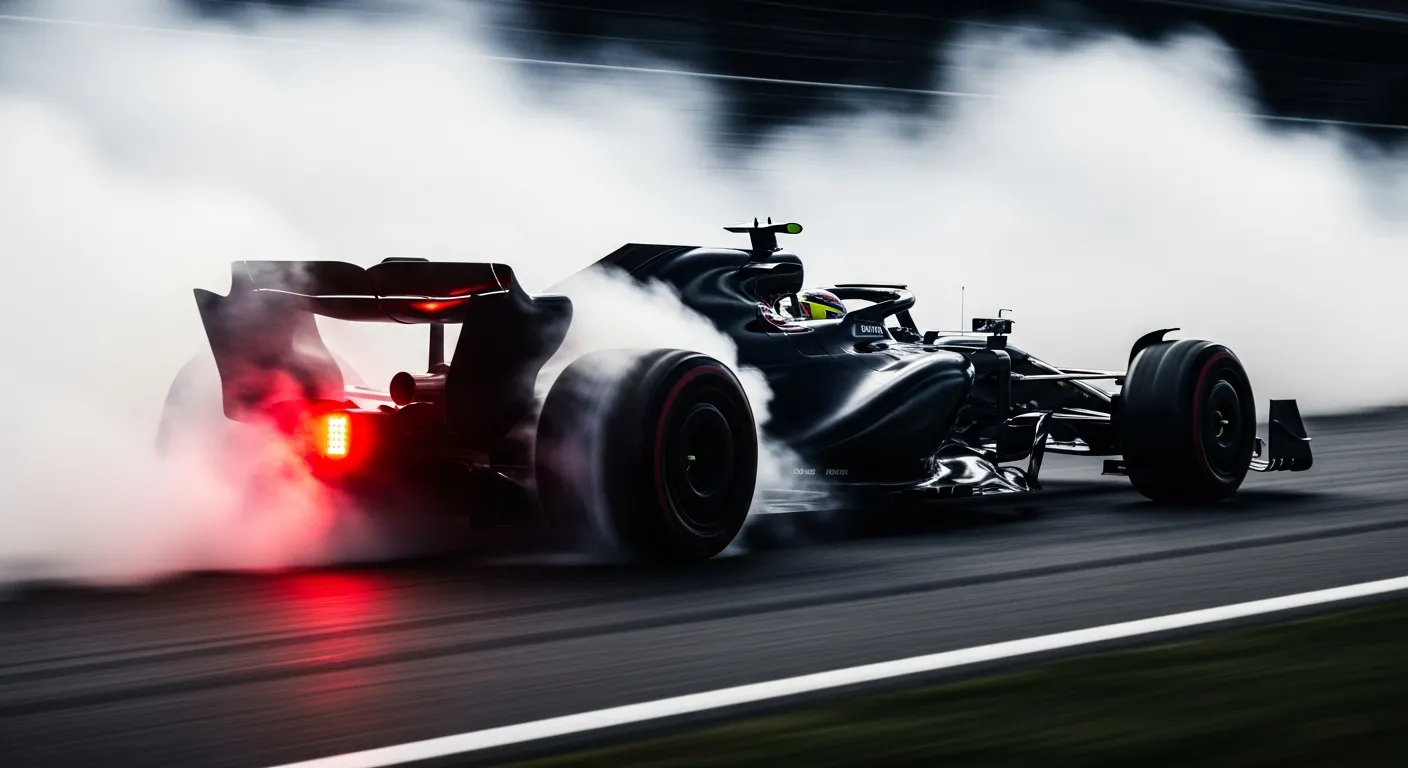
Driver × Circuit · hybrid
Liam Lawson's two appearances at the Canadian Grand Prix reveal a developing understanding of the hybrid circuit, culminating in a points finish in 2026.
| Year | Team | Grid | Finish | Pts |
|---|---|---|---|---|
| 2025 | Racing Bulls | Pit |
One email a day, ahead of every session. Race results, paddock signal, and the calls the explainer sites miss.
By subscribing, you agree to receive daily F1 news and updates from The F1 Formula. No spam. Unsubscribe anytime. Privacy Policy
Continue reading
Liam Lawson delivered a strong performance at the 2026 Canadian Grand Prix, climbing from 12th on the grid to secure 7th place and 6 points for Racing Bulls, despite finishing a lap down.
Liam Lawson's 2025 Canadian Grand Prix ended prematurely on lap 53 due to an overheating issue with his Racing Bulls car, preventing him from scoring points.
| Overheating |
| 0 |
| 2026 | Racing Bulls | P12 | P7 | 6 |
Liam Lawson's nascent record at the Canadian Grand Prix offers an early glimpse into his adaptability on a challenging hybrid circuit. With two starts to his name, his initial outing in 2025 was unfortunately cut short by an 'Overheating' status, resulting in a DNF and zero points. This early retirement meant his first experience with the Circuit Gilles Villeneuve's unique demands—heavy braking zones, rapid chicanes, and long straights—was incomplete, a common hurdle for drivers new to the Formula 1 calendar.
His return in 2026, however, painted a more promising picture. Starting from 12th on the grid, Lawson navigated the race to finish in 7th position, securing 6 points for Racing Bulls. This performance demonstrates a significant step forward, highlighting his capacity to learn and apply lessons quickly. The Circuit Gilles Villeneuve, often described as a 'stop-and-go' track, rewards precise braking and strong traction out of slow corners, areas where Lawson has shown particular aptitude in junior categories. Reviewing 2026 season data reveals the competitive landscape Lawson navigated to achieve his P7, underscoring the progress made by the young driver.
The hybrid nature of the Montreal circuit, blending temporary street circuit characteristics with permanent track elements, demands a versatile setup and a driver capable of adapting to evolving grip levels. Lawson's P7 finish suggests an increasing comfort with these dynamic conditions, a trait essential for success in Formula 1. For context, the broader understanding of Formula One history shows that drivers often take a few seasons to fully master specific circuits, and Lawson's improvement is a positive indicator.
Navigating the Wall of Champions, the tight hairpins, and the chicanes requires a blend of aggression and control. Lawson's measured approach, often observed in his initial F1 outings, seems well-suited to managing the risks inherent in Montreal while still pushing for performance. His ability to bring the car home in the points, especially after a prior DNF, speaks to a growing maturity. This kind of consistent performance on demanding tracks is what sets promising talents apart, much like Oliver Bearman at the Bahrain Grand Prix demonstrated his potential under pressure. While his Canadian Grand Prix journey is still in its early chapters, the 2026 result provides a solid foundation for future success on this iconic track. The official Formula 1 website provides comprehensive details on past race weekends, showcasing how drivers adapt to these unique challenges.