Track record
Source: Jolpica F1 API- Starts
- 5
- Wins
- 0
- Podiums
- 2
- Best finish
- P3
- DNFs
- 2
- Points
- 40
Every appearance
| Year | Team | Grid | Finish | Pts |
|---|---|---|---|---|
| 2021 | Scuderia Ferrari | P5 |
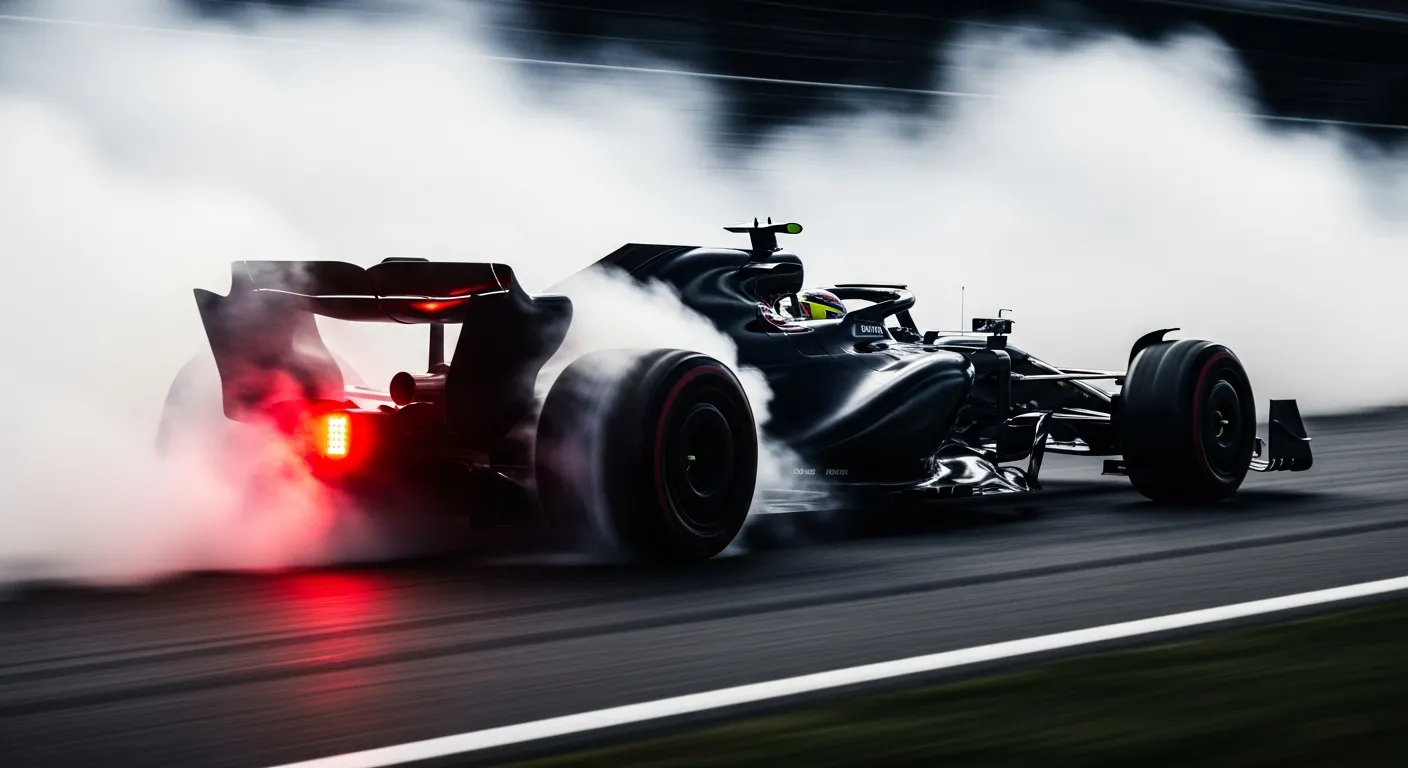
Driver × Circuit · permanent
Charles Leclerc at the Dutch Grand Prix has been a narrative of high potential and challenging execution, yielding two podium finishes amidst a demanding circuit layout.
| Year | Team | Grid | Finish | Pts |
|---|---|---|---|---|
| 2021 | Scuderia Ferrari | P5 |
One email a day, ahead of every session. Race results, paddock signal, and the calls the explainer sites miss.
By subscribing, you agree to receive daily F1 news and updates from The F1 Formula. No spam. Unsubscribe anytime. Privacy Policy
Continue reading
Charles Leclerc secured a podium finish at the 2024 Dutch Grand Prix, converting a P6 grid start into a P3 result for Scuderia Ferrari and adding 15 points to his championship tally.
Charles Leclerc secured a third-place finish at the 2022 Dutch Grand Prix, starting from second on the grid and navigating a challenging race at Circuit Park Zandvoort to earn 15 points for Scuderia Ferrari.
| P5 |
| 10 |
| 2022 | Scuderia Ferrari | P2 | P3 | 15 |
| 2023 | Scuderia Ferrari | P9 | Undertray | 0 |
| 2024 | Scuderia Ferrari | P6 | P3 | 15 |
| 2025 | Scuderia Ferrari | P6 | Collision | 0 |
Charles Leclerc's record at the Dutch Grand Prix at Zandvoort reflects a compelling blend of outright pace and the inherent challenges of a circuit that demands absolute precision and a compliant car setup.
Leclerc has made 5 starts at the Zandvoort permanent circuit, securing two podium finishes, notably a 3rd place in 2022 and another 3rd in 2024. These results underscore his ability to extract performance on a track known for its unique flow and high-speed sections. However, his appearances have also included two DNFs, in 2023 due to an undertray issue and in 2025 following a collision, illustrating the fine margins at play on this demanding circuit.
Zandvoort's layout, with its iconic banked corners like Tarzanbocht and Arie Luyendyk, places a premium on front-end grip and driver confidence. Leclerc's aggressive approach, often characterized by his willingness to lean heavily on the front axle, generally suits circuits where commitment through fast corners is rewarded. This is a trait often observed in drivers who excel at tracks like Esteban Ocon at the Monaco Grand Prix or Esteban Ocon at the Emilia Romagna Grand Prix, where precision and bravery are paramount. The circuit's relatively short lap and constant changes in direction also mean that any minor setup imbalance or driver error can be amplified, making consistent performance a significant challenge.
The performance of the Scuderia Ferrari car has been a critical factor in Leclerc's Zandvoort outings. In seasons where the Ferrari chassis offered strong aerodynamic stability and effective tire management, particularly on the softer compounds often favored here, Leclerc has been able to contend for strong points. The 2022 podium, for instance, came during a period where Ferrari's F1-75 was competitive, especially in qualifying. Conversely, when the car has struggled with balance or tire degradation, as was sometimes the case in 2023, even a driver of Leclerc's caliber can find himself battling issues that lead to compromised race weekends. Understanding the nuances of current Formula 1 regulations, as detailed on the FIA — F1 World Championship site, helps explain how car design philosophies impact performance on such specific track layouts.
Zandvoort's character, with its old-school feel and limited overtaking opportunities, places immense pressure on qualifying performance. Leclerc's prowess over a single lap has often put him in strong starting positions, such as his 2nd grid spot in 2022. However, maintaining track position and managing tire wear over a full race distance on this abrasive surface is another challenge. The circuit's narrow nature and proximity to barriers also mean that incidents, like his 2025 collision, are a constant threat. This dynamic is not entirely dissimilar to the demands placed on drivers at circuits like Esteban Ocon at the Canadian Grand Prix, where walls are unforgiving. For a broader understanding of F1 statistics and historical performance, resources like Jolpica/Ergast — 2026 season data and Wikipedia: Formula One provide rich contextual information.
Looking ahead, Leclerc's approach to Zandvoort will likely continue to balance aggression with strategic tire management. His best finish here is 3rd, achieved twice, indicating a consistent ability to be a podium contender when circumstances align. The circuit remains one where driver skill can genuinely make a difference, but it also exposes any weaknesses in the car's setup or race strategy. Fans can always find the latest news and insights on the Formula 1 — official site.