Track record
Source: Jolpica F1 API- Starts
- 1
- Wins
- 0
- Podiums
- 0
- Best finish
- P11
- DNFs
- 0
- Points
- 0
Every appearance
| Year | Team | Grid | Finish | Pts |
|---|---|---|---|---|
| 2025 | Kick Sauber F1 Team | P13 |
Driver × Circuit · street
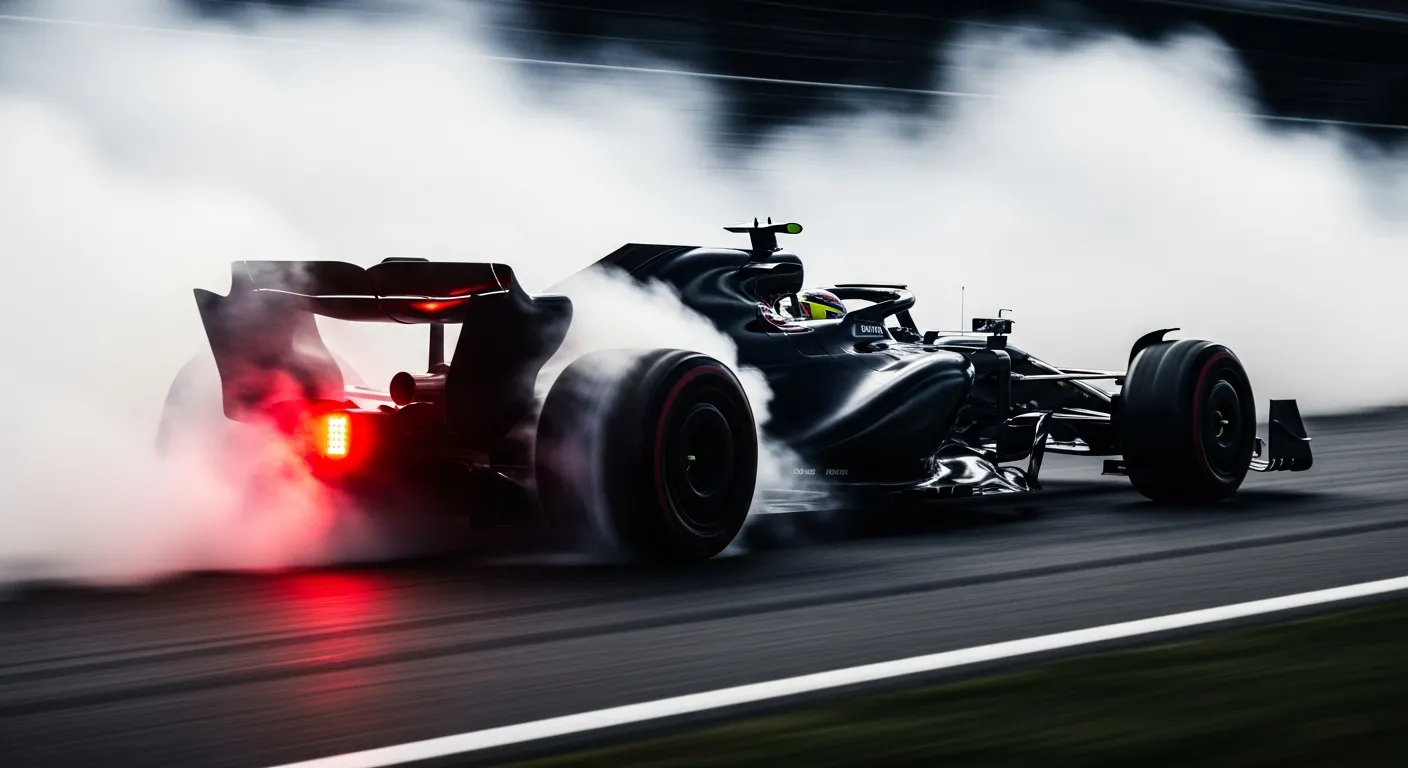
Gabriel Bortoleto's 2025 debut at the Azerbaijan Grand Prix saw him finish 11th, demonstrating his initial adaptability to Baku's unique blend of high-speed straights and tight street sections.
| Year | Team | Grid | Finish | Pts |
|---|---|---|---|---|
| 2025 | Kick Sauber F1 Team | P13 |
One email a day, ahead of every session. Race results, paddock signal, and the calls the explainer sites miss.
By subscribing, you agree to receive daily F1 news and updates from The F1 Formula. No spam. Unsubscribe anytime. Privacy Policy
Continue reading
Gabriel Bortoleto finished the 2025 Azerbaijan Grand Prix in 11th position for Kick Sauber, having started 13th, narrowly missing out on points despite completing all 51 laps.
Gabriel Bortoleto's single appearance at the Saudi Arabian Grand Prix in 2025 saw him navigate the demanding Jeddah street circuit to an 18th-place finish for Kick Sauber.
| P11 |
| 0 |
Gabriel Bortoleto's sole appearance at the Azerbaijan Grand Prix in 2025 marked his introduction to one of Formula 1's most distinctive street circuits, where he secured an 11th-place finish for Kick Sauber. This result, achieved in his rookie season, placed him just outside the points, yet offered a valuable data point on his capacity to navigate the demanding Baku City Circuit. The track's unique blend of ultra-fast straights and incredibly tight, technical sections, particularly around the Old City walls, presents a significant challenge for even seasoned drivers, let alone a newcomer. His performance underscored the precision required to avoid contact while pushing the limits on a circuit that punishes even minor errors.
Baku's layout demands a finely balanced car setup, prioritizing both straight-line speed for the lengthy main straight and high-downforce stability through the twisty Castle section. For a driver like Bortoleto, known for his methodical approach and ability to adapt to varying conditions in his junior career, this circuit could be a proving ground. While his single start, 0 wins, and 0 podiums at Baku might appear modest, his best finish of 11th in 2025 demonstrates a solid, if not spectacular, initial outing. This contrasts with the experiences of other rookies, such as Andrea Kimi Antonelli at the Australian Grand Prix, who might face different pressures on a semi-permanent track. The ability to manage tyre degradation over a race distance, particularly on a surface that can be abrasive, is another critical factor where Bortoleto's learning curve would have been steep.
The Azerbaijan Grand Prix is often characterized by its unpredictable nature, with Safety Cars and red flags frequently disrupting race strategy. This environment tests a driver's composure and ability to react under pressure, traits that Bortoleto would have been keen to demonstrate. His 2025 showing, while not yielding points, provided invaluable experience in managing these race dynamics on a high-stakes street circuit. Understanding how to optimize qualifying laps, which are crucial for track position given the circuit's narrow sections, and then converting that into a clean race is paramount. Drivers often discuss the mental fortitude required for Baku, a sentiment echoed in analyses of demanding circuits like the one for George Russell at the Mexico City Grand Prix, where altitude and unique track characteristics add layers of complexity.
Looking ahead, Bortoleto's future appearances at Baku will be scrutinized for progression. The experience gained from his 2025 debut will be foundational, allowing him to refine his approach to the circuit's specific demands. The official Formula 1 website often highlights how drivers evolve their performance at particular venues over time. His challenge will be to translate that foundational knowledge into consistent point-scoring finishes, leveraging his precision in the technical sectors and maximizing the opportunities presented by the long DRS zones. For a broader understanding of Formula One itself, Wikipedia offers extensive historical context. Race data, including Bortoleto's 2025 performance, can be cross-referenced with sources like Jolpica/Ergast's 2026 season data to track his development and compare it against the field. The evolution of a driver's performance at a circuit like Baku, with its blend of high-speed and technical challenges, is a key indicator of their overall growth in F1.