Track record
Source: Jolpica F1 API- Starts
- 1
- Wins
- 0
- Podiums
- 0
- Best finish
- P12
- DNFs
- 0
- Points
- 0
Every appearance
| Year | Team | Grid | Finish | Pts |
|---|---|---|---|---|
| 2025 | Racing Bulls | P12 |
Driver × Circuit · street
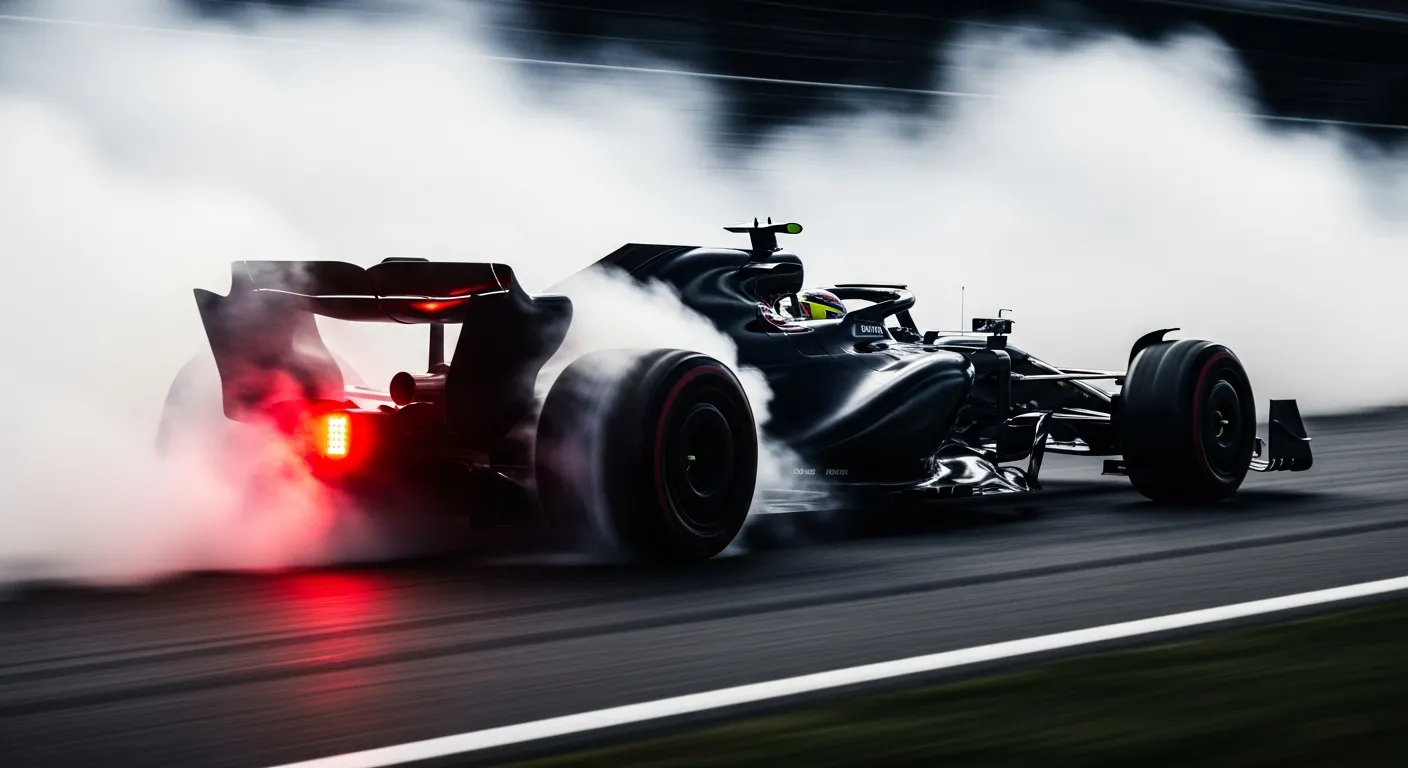
Liam Lawson's sole appearance at the Saudi Arabian Grand Prix saw him finish 12th, navigating the high-speed Jeddah street circuit with a measured debut performance.
| Year | Team | Grid | Finish | Pts |
|---|---|---|---|---|
| 2025 | Racing Bulls | P12 |
One email a day, ahead of every session. Race results, paddock signal, and the calls the explainer sites miss.
By subscribing, you agree to receive daily F1 news and updates from The F1 Formula. No spam. Unsubscribe anytime. Privacy Policy
Continue reading
Liam Lawson piloted his Racing Bulls car to a 12th place finish at the 2025 Saudi Arabian Grand Prix, holding his starting grid position but remaining outside the points.
Liam Lawson's two appearances at the Dutch Grand Prix highlight his rapid F1 adaptation to Zandvoort's unique challenges, culminating in a best finish of 12th in 2025.
| P12 |
| 0 |
Liam Lawson's single outing at the Saudi Arabian Grand Prix provides a focused snapshot of his capabilities on one of Formula 1's most demanding street circuits. His 2025 appearance saw him qualify and finish in 12th position, a respectable result given the circuit's inherent challenges and his relative inexperience at the time. Jeddah, with its relentless series of high-speed corners and close proximity to the walls, demands absolute precision and a high degree of confidence from a driver.
Lawson's performance in 2025 demonstrated his ability to manage pressure and extract a consistent pace without major incidents. The circuit's flow, characterized by its long, sweeping sections punctuated by heavy braking zones, requires a car with strong aerodynamic stability and a driver adept at carrying speed through fast changes of direction. For a driver like Lawson, who has shown a natural adaptability in various categories, this kind of circuit can be a true test of raw talent and car control. His P12 finish, while not yielding points, was a solid foundation, especially when considering the unforgiving nature of a track where even minor errors can lead to significant consequences.
Comparing Jeddah to other high-speed venues, it shares some characteristics with circuits like Baku or even parts of Suzuka, emphasizing the importance of rhythm and commitment. Unlike the more open layouts such as Lewis Hamilton at the Australian Grand Prix, Jeddah offers no respite, requiring constant focus. Lawson's approach to such a circuit suggests a driver who prioritizes bringing the car home while pushing its limits, a trait that serves well on street tracks. His single start, zero wins, and zero podiums at this venue underscore the early stage of his F1 career, but his best finish of 12th in 2025 indicates a capacity to handle the unique demands.
The Jeddah Corniche Circuit's specific challenges, from its elevation changes to its tight chicanes, often favor drivers who are not only quick but also exceptionally precise with their steering and throttle inputs. This precision is crucial for maintaining momentum through the numerous blind corners, a feature that also defines tracks like Monaco or, to a lesser extent, Charles Leclerc at the Las Vegas Grand Prix. For a deeper understanding of the circuit's layout and its impact on racing, the official Formula 1 site provides detailed track guides. Lawson's ability to keep pace and avoid contact in his debut here speaks to a controlled aggression, a necessary attribute for success in Saudi Arabia.
Future appearances at Jeddah will be key in assessing Lawson's evolution, particularly his capacity to unlock more outright pace without compromising his clean racing record. The data from his previous outing, available through resources like Jolpica/Ergast — 2026 season data, will be a benchmark for improvement. As the sport continues to develop, understanding the nuances of how drivers adapt to specific circuits, as explored on Wikipedia: Formula One, becomes increasingly important. Lawson's journey at Jeddah is just beginning, but his initial showing sets a promising tone for a driver keen to establish himself.