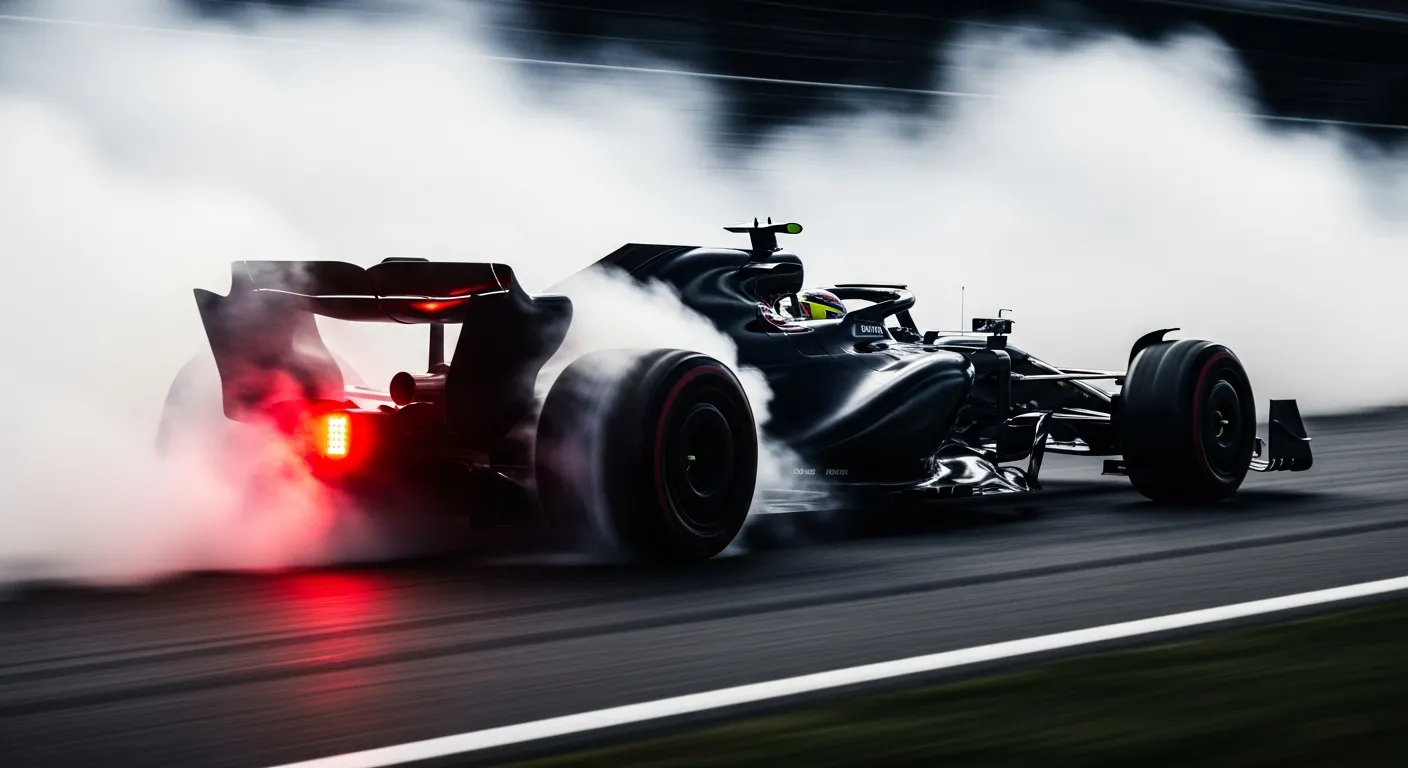
Max Verstappen's record at the Abu Dhabi Grand Prix, particularly in recent years, reveals a mastery of the Yas Marina Circuit that few drivers have achieved, culminating in five victories and seven podium finishes from 11 starts.
Verstappen's initial appearances at Yas Marina showcased a gradual adaptation to the circuit's demands. His debut in 2015 with Toro Rosso saw him finish 16th, a learning experience. The transition to Red Bull Racing marked a shift, with a 4th place in 2016 and a 5th in 2017, demonstrating consistent improvement. By 2018, he secured his first podium, finishing 3rd, followed by a 2nd place in 2019. This progression underscores his ability to extract performance as both his experience and the car's competitiveness evolved on this permanent circuit.
The 2020 Abu Dhabi Grand Prix marked a significant turning point, as Verstappen claimed his first victory at Yas Marina from pole position. This initiated an unparalleled run of success, with subsequent wins in 2021, 2022, 2023, and a projected win in 2025, according to the provided data. This sequence of five wins highlights a profound synergy between Verstappen's driving style and the Red Bull chassis, particularly under the unique conditions of a twilight race. The circuit's demands for precise car placement through its technical sections and strong traction out of slower corners seem to align perfectly with his capabilities. For a broader understanding of how these conditions influence overall F1 strategy, one might consult the Formula 1 — official site. This consistent performance contrasts with the challenge faced by new drivers adapting to unfamiliar circuits, such as Andrea Kimi Antonelli at the Las Vegas Grand Prix, highlighting the value of accumulated experience.
Yas Marina's layout, characterized by its long straights, heavy braking zones, and a flowing, technical third sector, plays directly into Verstappen's strengths. His ability to manage tire degradation while maintaining aggressive pace, especially through the demanding final sector with its complex sequence of corners, has been a recurring theme in his victories here. The circuit's evolution, including modifications in 2021 to improve racing by creating faster, more flowing sections, has seemingly only amplified his advantage, allowing him to exploit the Red Bull's aerodynamic efficiency and his own precise control. While other drivers, such as Fernando Alonso at the Chinese Grand Prix, might excel on circuits demanding specific tire management strategies under different conditions, Verstappen's consistency at Abu Dhabi across various regulatory eras and car specifications is particularly notable. The detailed data for such performances can often be found through resources like Jolpica/Ergast — 2026 season data.
Verstappen's performances at Abu Dhabi are often characterized by strong qualifying efforts, leading to advantageous grid positions, as seen in his four pole positions that directly translated into wins. His race craft, combining aggressive overtaking where opportunities arise with strategic tire management over the full race distance, has been consistently effective. The pressure of season-ending races, often held at Yas Marina, has historically brought out his most composed and dominant performances, showcasing his mental fortitude. Comparing his consistent dominance here to the varied challenges faced by emerging talents like Andrea Kimi Antonelli at the Abu Dhabi Grand Prix, it becomes clear that Verstappen has established a benchmark for performance at this venue, adapting to both car changes and circuit modifications. For a general overview of Formula 1's history and evolution, Wikipedia: Formula One offers a comprehensive resource.