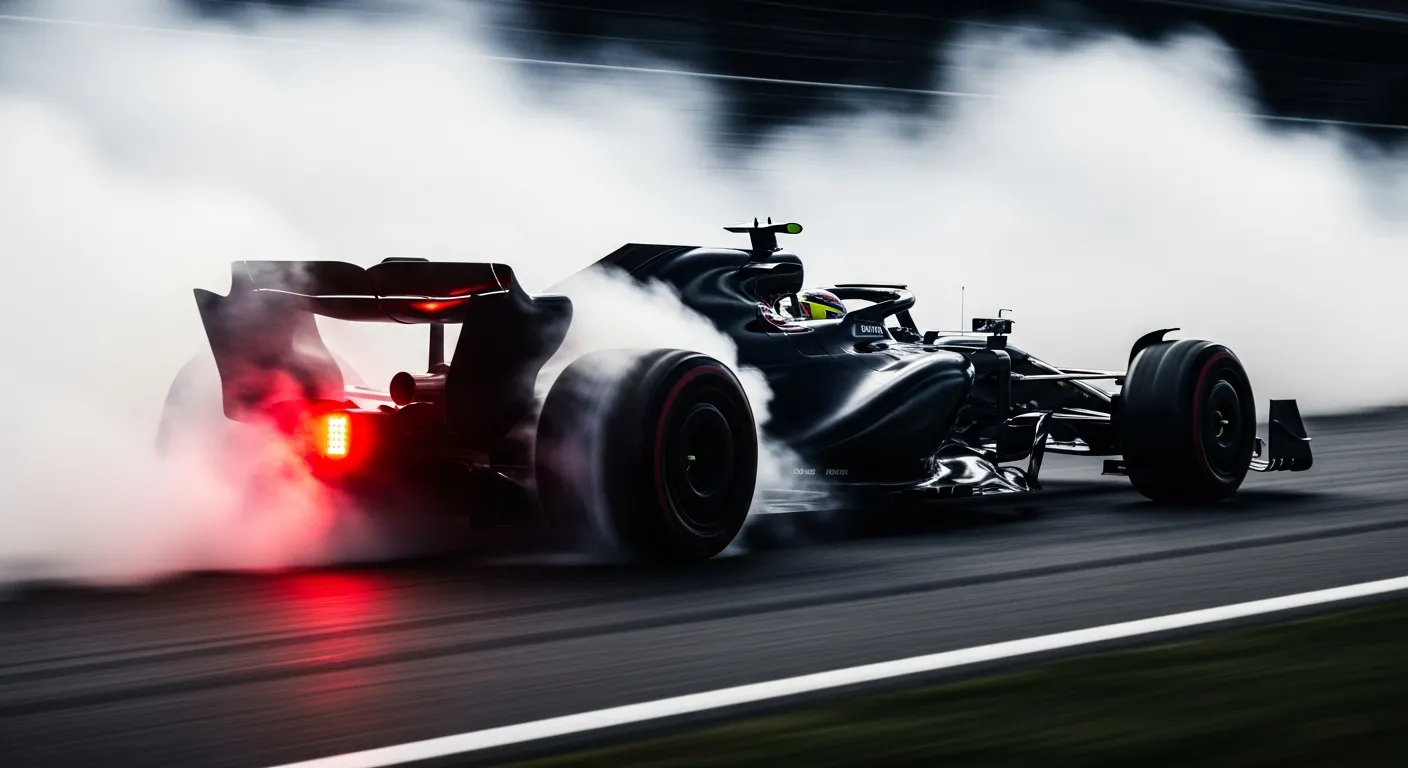
Nico Hülkenberg's record at the British Grand Prix is a testament to his enduring presence and adaptability in Formula 1, marked by 14 starts at the historic Silverstone circuit. While a win has eluded him, his singular podium finish in 2025, securing third place, stands as a career highlight at this particular venue. This result with Kick Sauber showcases his ability to extract performance even late in his career, navigating the high-speed demands of a circuit that has seen him compete with seven different constructors over the years.
Hülkenberg's journey at Silverstone began in 2010 with Williams, where he immediately scored a point with a tenth-place finish. His early career here, including another tenth with Sauber in 2013, demonstrated a consistent ability to finish in the points. The Force India years (2014-2016) were particularly fruitful, yielding best finishes of seventh in both 2015 and 2016, and an eighth in 2014, often starting from strong grid positions like fourth in 2014 and ninth in 2015. These performances underscore his comfort with Silverstone's fast, flowing characteristics, which reward a driver's precision and confidence through corners like Copse and Maggotts-Becketts.
His move to Renault saw continued strong results, with back-to-back sixth-place finishes in 2017 and 2018, starting from fifth and eleventh respectively. These years highlighted his capacity to manage the race and capitalize on opportunities, a trait also observed in drivers like Carlos Sainz at the United States Grand Prix, who often excels on permanent, high-speed tracks. The 2020 season presented a unique challenge, with a DNF at the British Grand Prix due to a clutch issue, but he bounced back the following weekend at the 70th Anniversary Grand Prix, held at the same circuit, with a seventh-place finish from third on the grid.
The 2025 podium represents a significant peak in Hülkenberg's Silverstone narrative, a culmination of years of consistent, if not always spectacular, performances. It underscores the importance of driver experience and the ability to adapt to varying car characteristics on a circuit that demands both raw speed and nuanced setup. For a deeper dive into Formula 1's rich history and technical aspects, the Wikipedia: Formula One page offers extensive context. His long-standing presence and recent success at Silverstone offer an interesting parallel to how some drivers, such as Carlos Sainz at the Azerbaijan Grand Prix, find their rhythm on specific track types over time, even if their overall record might vary. Fans looking for comprehensive data on past seasons can consult resources like Jolpica/Ergast — 2026 season data for detailed race results and statistics. This enduring connection to Silverstone, a staple on the F1 calendar, showcases Hülkenberg's consistent professionalism and skill on a track that truly tests a driver's mettle, a sentiment often echoed across the Formula 1 — official site.
Looking ahead, Hülkenberg's recent podium finish at Silverstone provides a strong foundation. His ability to extract performance from different chassis over an extended period at this circuit suggests that his understanding of its unique demands remains sharp. This blend of experience and recent success makes his future appearances at the British Grand Prix particularly compelling, as he continues to demonstrate his capabilities on one of F1's most iconic permanent tracks.