Track record
Source: Jolpica F1 API- Starts
- 2
- Wins
- 0
- Podiums
- 0
- Best finish
- P16
- DNFs
- 1
- Points
- 0
Every appearance
| Year | Team | Grid | Finish | Pts |
|---|---|---|---|---|
| 2024 | Racing Bulls | P19 |
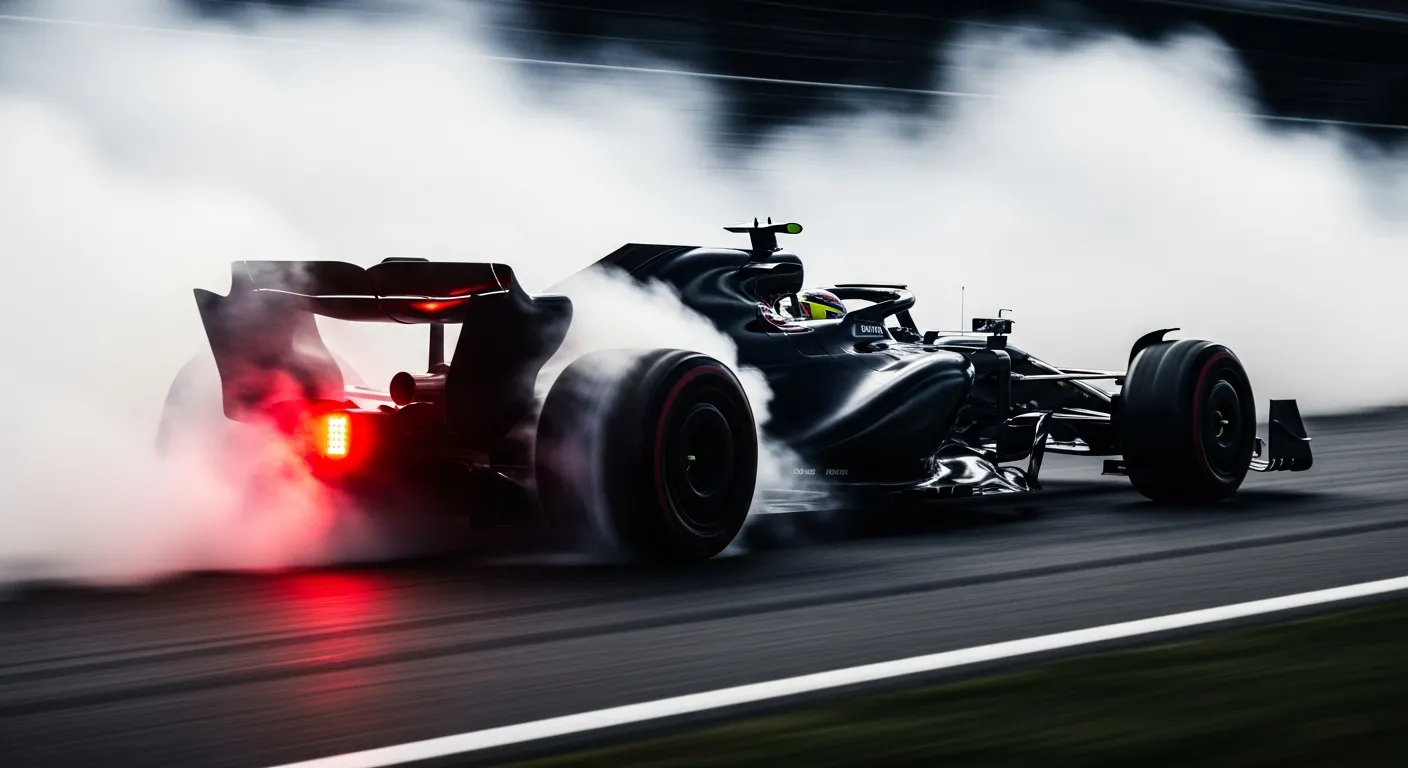
Driver × Circuit · permanent
Yuki Tsunoda's initial Chinese Grand Prix record at Shanghai reflects a challenging circuit for the RB driver, marked by a DNF and a best finish of 16th across two starts.
| Year | Team | Grid | Finish | Pts |
|---|---|---|---|---|
| 2024 | Racing Bulls | P19 |
One email a day, ahead of every session. Race results, paddock signal, and the calls the explainer sites miss.
By subscribing, you agree to receive daily F1 news and updates from The F1 Formula. No spam. Unsubscribe anytime. Privacy Policy
Continue reading
Yuki Tsunoda's 2024 Chinese Grand Prix ended prematurely on lap 26 due to a collision, forcing his retirement from the race at the Shanghai International Circuit with zero points.
Yuki Tsunoda, starting P9 for Racing Bulls at the 2025 Chinese Grand Prix, concluded the race in 16th position, completing 55 laps and securing no points.
| Collision |
| 0 |
| 2025 | Racing Bulls | P9 | P16 | 0 |
Yuki Tsunoda's initial outings at the Chinese Grand Prix in Shanghai have presented a complex challenge, with his two appearances yielding a DNF and a best finish of 16th, highlighting the circuit's demanding nature for the RB driver. With just two starts at this permanent circuit, Tsunoda is still building his experience here, and his record of zero wins and zero podiums underscores the steep learning curve involved.
His debut at the Shanghai International Circuit in 2024 saw a collision force his retirement, a stark reminder of the unforgiving nature of the track's diverse corner profiles and high-speed sections. This early exit meant no points were scored, setting a difficult precedent for his engagement with the Chinese Grand Prix. The following year, in 2025, Tsunoda completed the race, securing a 16th-place finish. While an improvement on his previous DNF, this result still placed him outside the points, indicating the persistent difficulty in extracting maximum performance from the car on this particular layout.
The Shanghai circuit, known for its unique 'snail' turn 1-4 complex and long back straight, demands a precise blend of aerodynamic efficiency and mechanical grip. Drivers must manage tyre degradation through extended cornering phases while also preparing for significant braking zones. For Tsunoda, whose driving style often features aggressive attacking lines and strong qualifying pace, adapting to the circuit's specific demands for sustained precision has been a key area. His performance here stands in contrast to some of his stronger outings on other permanent circuits, such as those that might favor his more direct approach, similar to how a driver like Isack Hadjar at the Japanese Grand Prix might find success on a highly technical track requiring specific car setup.
Analysing Tsunoda's results at Shanghai requires considering the competitive landscape and the performance envelope of the Racing Bulls (RB) chassis. The team has consistently aimed for midfield contention, and circuits that expose car weaknesses in specific areas, such as high-speed stability or low-speed traction, can be particularly challenging. The Chinese Grand Prix often serves as an early-season test of a car's all-around capabilities, much like the Isack Hadjar at the Bahrain Grand Prix matchup often reveals initial car strengths and weaknesses. The data available from sources like Jolpica/Ergast — 2026 season data provides a factual basis for understanding these historical performances within the broader context of the Formula 1 — official site championship.
Ultimately, Yuki Tsunoda's journey at the Chinese Grand Prix is still in its nascent stages. His best finish of 16th from two starts leaves ample room for improvement. The circuit's blend of technical sections and high-speed elements will continue to test his ability to maintain consistency and extract performance over a full race distance. Understanding these nuances is crucial for any fan following the intricacies of the Wikipedia: Formula One season, especially as drivers like Tsunoda mature and refine their craft across diverse global circuits, including those with different challenges such as Isack Hadjar at the Emilia Romagna Grand Prix.