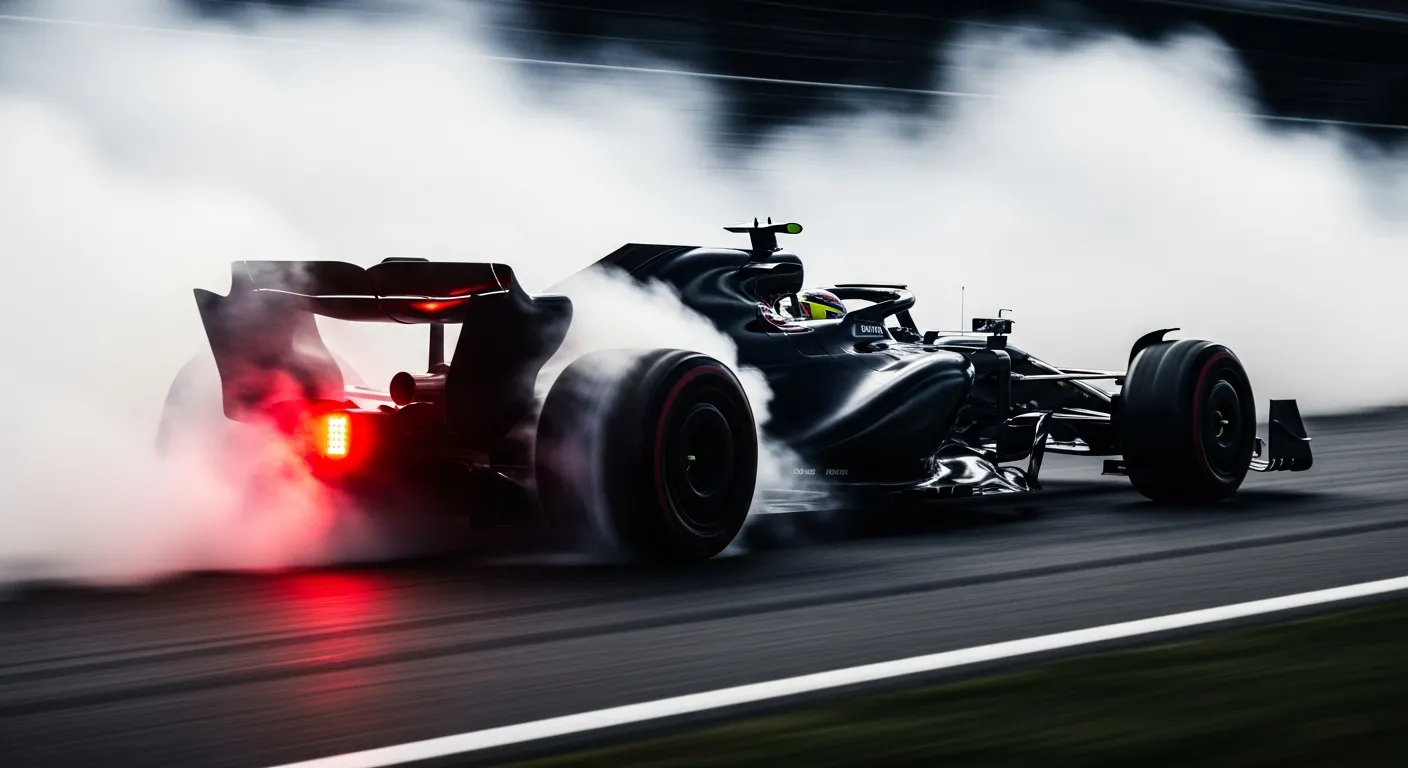
Ferrari's record at the Circuit Gilles Villeneuve, a hybrid track demanding both straight-line speed and precise change of direction, showcases periods of dominant performance interspersed with seasons where their car concept struggled to adapt to Montreal's unique demands. From 45 starts, Scuderia Ferrari HP has secured 11 wins and 26 podiums, including three impressive 1-2 finishes, with their best finish being a victory in 1978. This success underscores a historical affinity for the circuit, particularly during eras when their chassis and Ferrari power unit were well-matched to its characteristics. For a broader understanding of Formula One history and technical evolution, Wikipedia: Formula One offers extensive background.
The Circuit Gilles Villeneuve is characterized by its long straights, tight chicanes, and heavy braking zones, creating a 'stop-and-go' rhythm. This layout places a premium on power unit performance for acceleration out of corners and top speed, alongside excellent braking stability and mechanical grip for navigating the kerbs and rapid changes of direction. Ferrari's historical success, especially evident in the early 2000s with a string of victories, often coincided with periods when their engine package and aerodynamic efficiency were at their peak. The 2018 victory, for instance, demonstrated a car capable of both straight-line pace and the necessary agility through the circuit's technical sections.
However, the hybrid nature of the track can also expose vulnerabilities. When Ferrari's car concept has leaned too heavily towards high-downforce configurations or struggled with tire management on the smooth, yet often cold, Montreal asphalt, results have been less consistent. The circuit's demands are quite distinct from other venues, such as the high-speed demands of Monza or the unique street circuit challenges seen at Aston Martin at the Monaco Grand Prix, requiring a specific setup philosophy. Teams often need to compromise between low drag for the straights and sufficient downforce for the chicanes, a balance Ferrari has sometimes found difficult to strike.
In recent years, Ferrari has shown renewed competitiveness, with a second-place finish in 2022 and a fourth-place in 2023. These results suggest an improving understanding of how to optimize their package for the circuit's blend of demands, indicating that the current generation of Ferrari F1 cars can extract performance from both the power-sensitive straights and the technical corners. This contrasts with some of the challenges faced by other teams; for example, Aston Martin at the Canadian Grand Prix has also had to adapt its car philosophy to this unique track. Examining race data, like that available from Jolpica/Ergast — 2026 season data, often reveals these subtle performance shifts.
Looking ahead, Ferrari's performance at Montreal will continue to be a key indicator of their overall car concept's versatility. The ability to adapt to varying track conditions and maintain strong race pace will be crucial. The Canadian Grand Prix remains a significant event on the Formula 1 — official site calendar, and Ferrari's pursuit of further victories here reflects their enduring ambition.