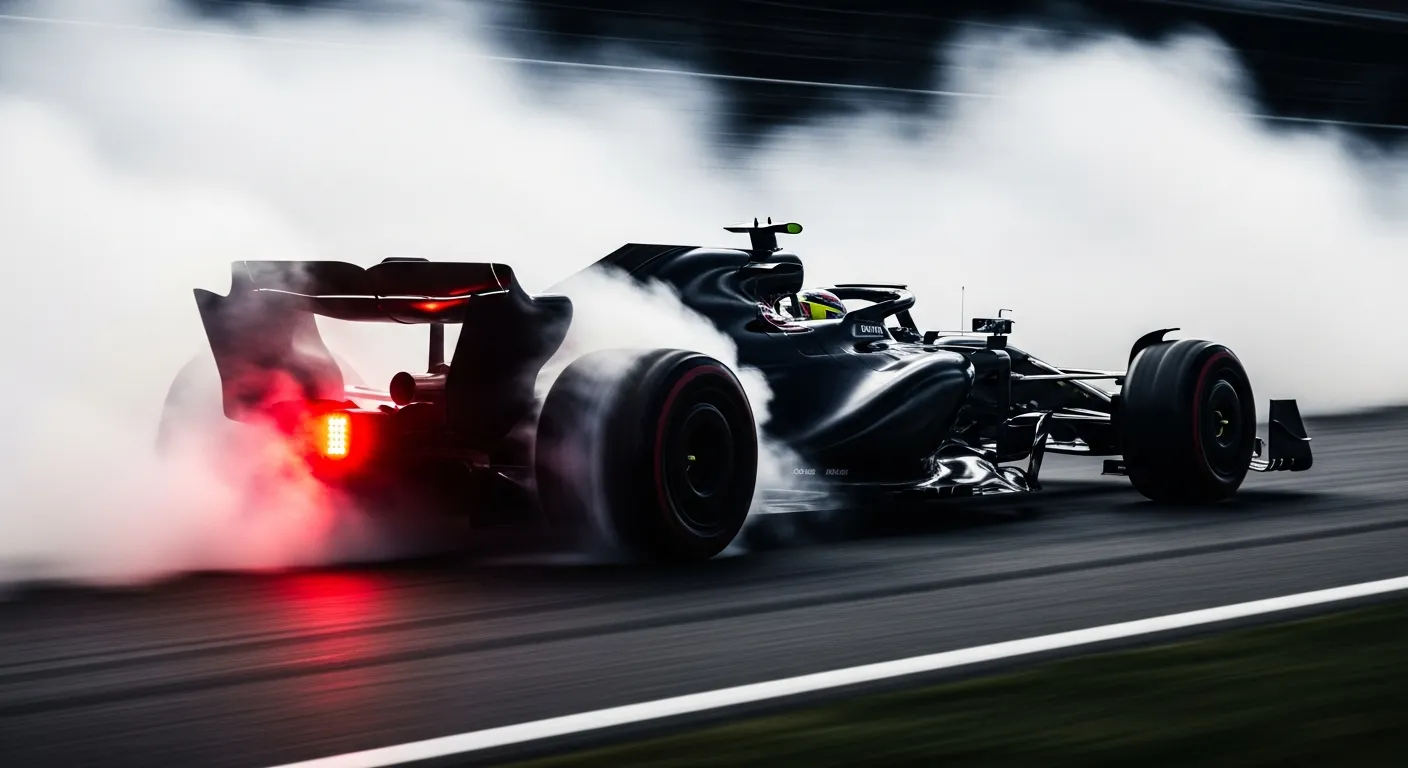
The Safety Car is a crucial intervention vehicle deployed to neutralize a Formula 1 race, ensuring driver safety and allowing marshals to clear hazards on track or manage other critical situations. When an incident occurs that cannot be safely managed under yellow flags alone, race control will deploy the Safety Car, which then leads the entire field at a controlled, reduced speed.
Purpose and Deployment
The primary role of the Safety Car is to slow down the racing cars, bunching them up behind a designated pace vehicle, currently either an Aston Martin Vantage or a Mercedes-AMG GT Black Series, driven by experienced F1 Safety Car driver Bernd Mayländer. This procedure is mandated by the FIA Formula One regulations, ensuring a consistent and safe pace for all competitors. Deployment typically occurs for significant incidents such as major crashes, debris on the track, or exceptionally adverse weather conditions that make high-speed racing unsafe. The Safety Car remains on track until the hazard is cleared and race control deems it safe to resume full racing conditions, often signaled by the car's lights being extinguished before it pits.
Strategic Implications
When the Safety Car is deployed, it effectively eliminates any time gaps between cars, creating a tight pack. This can dramatically alter race strategy, as teams often seize the opportunity for a 'cheap' pit stop. During a Safety Car period, the time lost entering and exiting the pit lane is significantly reduced because the entire field is circulating at a slower pace. A driver might pit for fresh Hard Tires or even switch to Intermediate Tires if conditions are changing, losing less track position than they would under green flag conditions. This strategic window can be a make-or-break moment, allowing drivers to gain a tactical advantage or recover from a poor tire choice earlier in the race, mitigating the effects of tire Degradation.
Common Confusions and Key Moments
One common point of confusion for viewers is why some drivers choose to pit under a Safety Car while others stay out. This is a high-stakes gamble: pitting provides fresh tires but risks losing track position, while staying out maintains track position but might leave a driver on older, less optimal tires for the restart. Another aspect is the 'unlapping' procedure, where lapped cars are sometimes permitted to overtake the Safety Car and rejoin the back of the lead lap before a restart, as detailed in the safety car — Wikipedia glossary entry. This procedure has been a source of controversy and strategic debate in recent seasons, notably in the dramatic conclusion of the 2021 Abu Dhabi Grand Prix.
The choice of tire compounds from suppliers like Pirelli also plays a critical role in these decisions. A Safety Car period can cool tires, affecting grip on the restart, and can also influence how long a set of tires can effectively last, adding another layer to the strategic chess match.
Common questions
- What's the difference between a Safety Car and a Virtual Safety Car (VSC)?
- The Safety Car physically leads the field, bunching cars together. The VSC requires drivers to maintain a specific delta time, slowing the entire track without a physical car, preserving gaps but still neutralizing the race.
- Who drives the Safety Car?
- The official Formula 1 Safety Car is driven by Bernd Mayländer, a former racing driver, who has held the role for over two decades, ensuring consistent and expert handling.