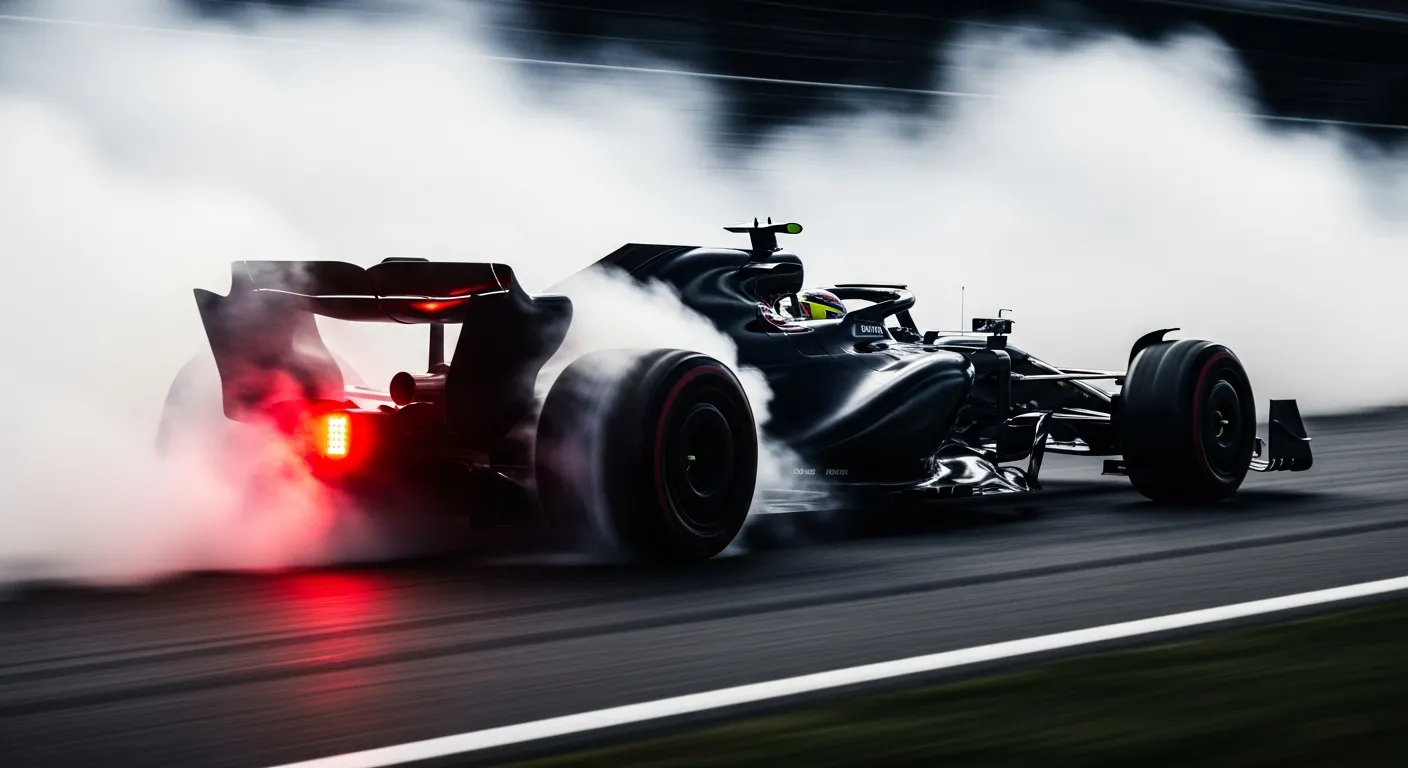
Scuderia Ferrari HP's relationship with the Belgian Grand Prix at Spa-Francorchamps is a definitive barometer of their car's high-speed aerodynamic efficiency and the raw power of their Ferrari unit, a partnership that has historically delivered both triumph and significant challenges on this iconic permanent circuit. With 58 starts, Ferrari boasts an impressive 14 victories and 33 podium finishes, including six memorable 1-2 finishes, a testament to periods where their machinery perfectly aligned with Spa's unique characteristics. Their first win came in 1952, setting a precedent for future successes that span decades, from the early Grand Prix era through to modern Formula 1.
The circuit's blend of long, high-speed straights, like the Kemmel Straight, and demanding, flowing corners such as Eau Rouge and Blanchimont, places a premium on both outright engine power and aerodynamic balance. For Ferrari, whose power unit has seen various stages of competitiveness over the years, Spa often highlights the engine's capability. When the Ferrari power unit is strong, the team can leverage its straight-line speed advantage, crucial for overtaking opportunities and defending positions. Conversely, periods of power deficit have made the Belgian Grand Prix a more arduous affair, as seen in 2020 when their best finish was 13th, a stark contrast to their recent podiums in 2022, 2023, 2024, and 2025.
Achieving the optimal setup at Spa is a delicate balancing act. Teams must decide between a lower-drag configuration for straight-line speed and a higher-downforce setup for stability through the rapid changes of direction and elevation. Ferrari's design philosophy often aims for a strong all-around package, but Spa's extremes can expose any inherent biases. The team's numerous wins, particularly those in the 1990s and 2000s, demonstrate their ability to master this compromise, often finding the sweet spot that allows their drivers to exploit the circuit's natural flow while maintaining competitive pace on the straights. This challenge is similar in nature to the demands placed on teams at circuits like Haas at the Italian Grand Prix, where power and aero efficiency are paramount.
Beyond outright speed, tire degradation is another critical factor at Spa, especially given the high-energy demands placed on the compounds through corners like Pouhon. Ferrari's ability to manage tire wear throughout a race stint, particularly in variable Belgian weather conditions, often dictates their strategic flexibility and ultimate race outcome. Understanding the nuances of tire compounds and their interaction with the car's setup is a constant learning process for all teams, as detailed in the Formula 1 — official site technical briefings. The undulating nature of the track and its permanent circuit status also means that mechanical grip through the slower sections, particularly in the final sector, is vital for a quick lap time, requiring a well-sorted suspension and chassis. This contrasts with street circuits like Haas at the Singapore Grand Prix, where mechanical grip is almost exclusively prioritized over high-speed aero efficiency.
Ferrari's recent performances, including victories in 2018 and 2019, underscore their potential when their car concept aligns with Spa's demands. While the current era of Formula 1 presents different technical challenges, the fundamental requirements of the circuit remain. The team's ongoing pursuit of performance is meticulously tracked by data providers like Jolpica/Ergast — 2026 season data, offering insights into their evolving car development. The Belgian Grand Prix continues to be a highlight on the calendar, offering a severe test of engineering and driving skill, and Ferrari's historical record here reflects both their enduring legacy and their continuous adaptation to the sport's evolving landscape, a journey that is integral to the broader narrative of Wikipedia: Formula One.
Read the full editorial