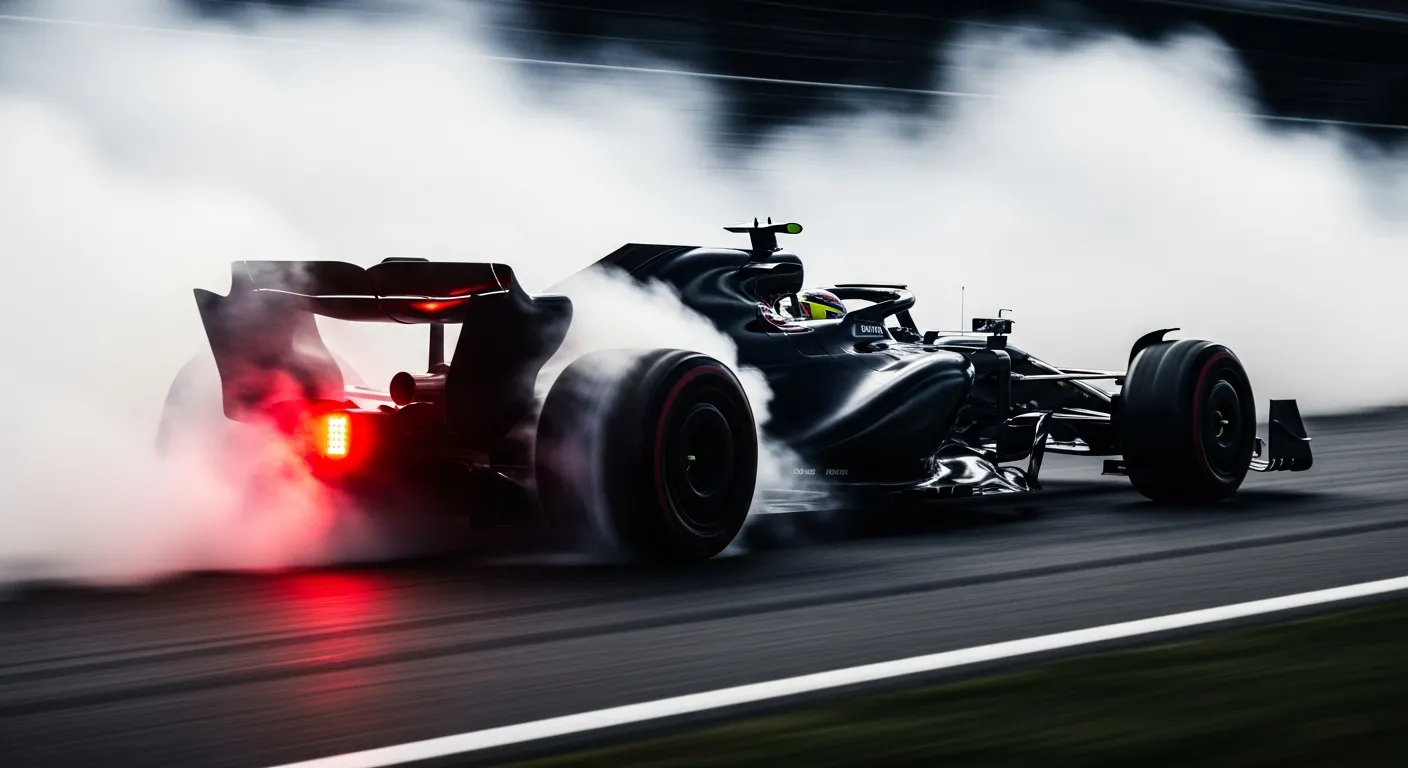
Despite a significant presence on the podium, Scuderia Ferrari HP has never converted its strong form at the Abu Dhabi Grand Prix into a victory, consistently finding itself just shy of the top step at the Yas Marina permanent circuit. With 17 starts at this demanding venue, the team has accumulated 11 podium finishes and a best result of second place, first achieved in 2011 and repeated several times since, including in 2022, 2023, and 2024.
Ferrari's initial outings at Yas Marina were challenging, with the team failing to score points in 2009 and only managing a seventh-place finish in 2010. However, the team quickly adapted, securing its first podium with a second-place finish in 2011. This marked a turning point, as the circuit's blend of long straights and technical, slower sections began to align more favorably with the Ferrari power unit's characteristics and the evolving chassis designs. The Yas Marina layout, particularly after its 2021 modifications aimed at improving flow and overtaking opportunities, still demands a car that is both aerodynamically efficient and mechanically robust, especially through its numerous tight corners and chicanes. This balance is often a key differentiator, much like the varied demands seen at circuits such as Alpine at the United States Grand Prix, where overall car performance is tested across diverse sections.
Over the years, Ferrari has shown a particular aptitude for extracting single-lap performance at Abu Dhabi, often placing its cars high up the grid. However, converting this into a race win has proven difficult. The intense competition, coupled with the strategic complexities of the twilight race, where track temperatures drop significantly, has often played into the hands of rivals. The team's 312 total points at this circuit underscore its consistent competitiveness, yet the absence of a win highlights the fine margins at play in Formula 1. For a deeper dive into the sport's history and regulations, the Wikipedia: Formula One page offers extensive context.
In recent seasons, under the leadership of Team Principal Frédéric Vasseur, Scuderia Ferrari HP has demonstrated improved race pace and tire management, which has translated into those consistent second-place finishes. The Ferrari power unit has proven competitive on the long straights, but the car's ability to manage tire degradation through the slower, more technical sectors remains crucial. This is a challenge not dissimilar to what teams face at high-power circuits like Alpine at the Italian Grand Prix, where engine performance is paramount, but also at more technical venues like Alpine at the Singapore Grand Prix, where mechanical grip and strategy dominate. The detailed performance data for current and upcoming seasons, available through sources like Jolpica/Ergast — 2026 season data, often reveals these subtle performance trends.
While the ultimate victory at Abu Dhabi has eluded Ferrari, their consistent podium presence indicates a strong underlying package. The challenge for the team is to find that final increment of performance or strategic brilliance to elevate a strong second or third place into a win, something that requires meticulous preparation and execution, as outlined on the Formula 1 — official site.