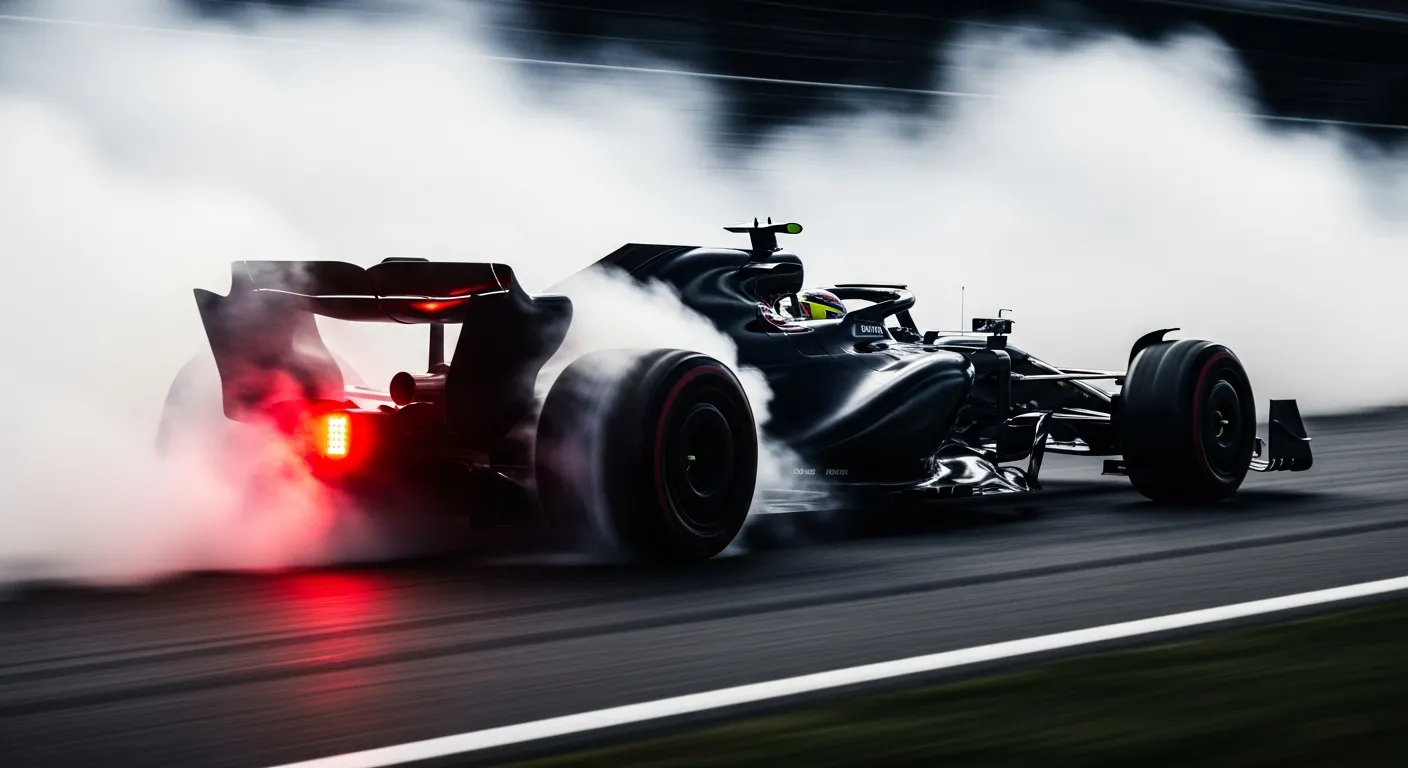
Red Bull Racing's performance at the Singapore Grand Prix has historically been a barometer of their chassis's low-speed prowess, yielding significant success in dominant eras but exposing vulnerabilities when their package isn't perfectly suited to the Marina Bay street circuit's unique demands. The team has secured four wins and an impressive thirteen podium finishes across their sixteen starts at this demanding night race, with victories in 2011, 2012, 2013, and most recently in 2022.
Their early dominance, particularly with Sebastian Vettel's hat-trick of wins, underscored a period where Red Bull's aerodynamic philosophy and mechanical grip were exceptionally well-suited to the tight, twisty confines of Marina Bay. These were years when their cars, often designed by Adrian Newey, excelled on circuits demanding high downforce and precise handling, much like the Hungarian Grand Prix where similar characteristics prevail. The Red Bull Powertrains-Ford unit, while powerful, finds its primary challenge here in delivering tractable power out of the numerous slow-speed corners, rather than outright top-end speed, which is less critical on this circuit.
However, the Singapore Grand Prix has also provided stark contrasts. The 2023 event saw a rare dip in form for the team, with their best finish being fifth, highlighting how even a dominant car can struggle when the specific demands of a circuit, such as the bumpy surface and complex corner sequences of Marina Bay, don't align perfectly with its setup window. This contrasts sharply with their commanding victory in 2022, demonstrating the fine margins at play. For a comparison of how different teams navigate these challenges, one might look at Alpine at the Singapore Grand Prix, which often faces its own unique setup puzzles on this demanding track.
The Marina Bay circuit places immense stress on mechanical grip and brake performance, requiring a car that can absorb bumps and maintain stability under heavy braking. The high ambient temperatures and humidity also contribute to significant tyre degradation, making strategic calls crucial. While Red Bull's historic data, available through resources like the Jolpica/Ergast F1 data API, shows a strong overall record, the nuances of each season's car concept play a pivotal role. The team's ability to adapt their car to these specific street circuit conditions, similar in some aspects to the Azerbaijan Grand Prix, remains a key determinant of their performance. Understanding the intricate technical regulations set forth by the FIA for the F1 World Championship is vital for teams to optimize their designs for such unique venues.