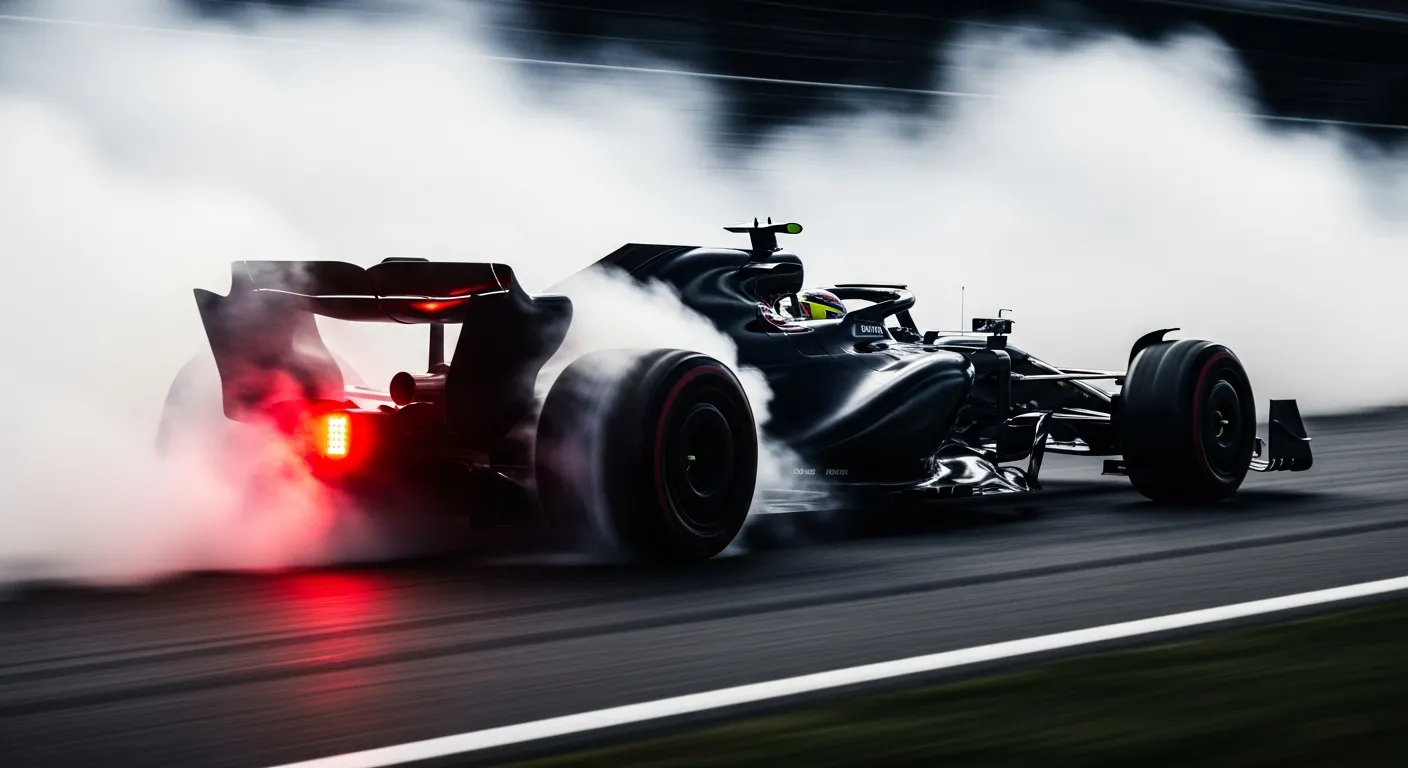
Fernando Alonso's extensive career at the Austrian Grand Prix, contested at the permanent Red Bull Ring circuit, presents a fascinating study of resilience and adaptability, even as consistent top-tier results have largely eluded him there. Across his 13 appearances, Alonso has navigated the Spielberg circuit in vastly different machinery, from his debut with Minardi to his current tenure with Aston Martin, yet a podium finish remains off his record at this particular venue.
His initial forays into the Austrian Grand Prix were marked by early retirements. In 2001, driving for Minardi, his race ended prematurely due to a gearbox issue. Two years later, in 2003, while with Renault, an engine failure again forced him out of contention. These early struggles set a challenging precedent for his relationship with the undulating Austrian track, which returned to the calendar after a decade-long hiatus. When Formula 1 made its return to Spielberg in 2014, Alonso, then with Scuderia Ferrari, delivered his strongest performance to date, securing a 5th place finish and earning 10 points. This result showcased his ability to extract maximum performance from his package, a hallmark of his career, as detailed by the Formula 1 — official site.
The subsequent years saw Alonso grapple with the limitations of McLaren's machinery at the Red Bull Ring. Between 2015 and 2017, his Austrian Grand Prix weekends were plagued by issues, including collisions and mechanical failures, leading to multiple retirements. While he managed an 8th place finish in 2018, securing 4 points, these seasons underscored the power-sensitive nature of the circuit and the critical role of a competitive power unit. This period of battling for points, rather than wins, is a common thread for many drivers adapting to less competitive cars, a challenge also faced by talents like Liam Lawson at the British Grand Prix in different contexts.
His return to the sport with Alpine in 2021 saw him secure points finishes in both the Styrian and Austrian Grands Prix held at the circuit, finishing 9th and 10th respectively. He followed this with another 10th place in 2022. The 2023 season, his first with Aston Martin, marked a significant upturn, as he once again matched his best finish of 5th, adding another 10 points to his tally. This performance highlighted the progress of the Aston Martin package and Alonso's continued capacity to perform at the sharp end. However, the 2024 season saw a dip to 18th, before a recovery to 7th in 2025, demonstrating the fluctuating fortunes at a track that demands both outright pace and strategic precision. For a comprehensive look at F1's historical data, resources like Wikipedia: Formula One offer valuable context on how driver-circuit dynamics evolve.
Overall, Fernando Alonso’s 13 starts at the Austrian Grand Prix have accumulated 34 points, with his best finish being 5th place, achieved in both 2014 and 2023. While he has yet to stand on the podium at Spielberg, his consistent presence and occasional flashes of brilliance, even in less competitive cars, speak volumes about his enduring skill. The Red Bull Ring's unique blend of high-speed sections and heavy braking zones requires a nuanced approach, and Alonso's long-standing record here, available through historical F1 data archives like Jolpica/Ergast — 2026 season data, reflects the inherent challenges. Comparing his journey to younger drivers navigating this track, such as Liam Lawson at the Austrian Grand Prix, further illustrates the demands of this particular circuit. His adaptability, a trait often discussed when considering drivers like Liam Lawson at the Canadian Grand Prix, remains key to unlocking performance at a venue that has historically proven tough for him.