Track record
Source: Jolpica F1 API- Starts
- 2
- Wins
- 1
- Podiums
- 1
- Best finish
- P1
- DNFs
- 0
- Points
- 33
Won here in: 2026
Every appearance
| Year | Team | Grid | Finish | Pts |
|---|---|---|---|---|
| 2025 |
Driver × Circuit · permanent
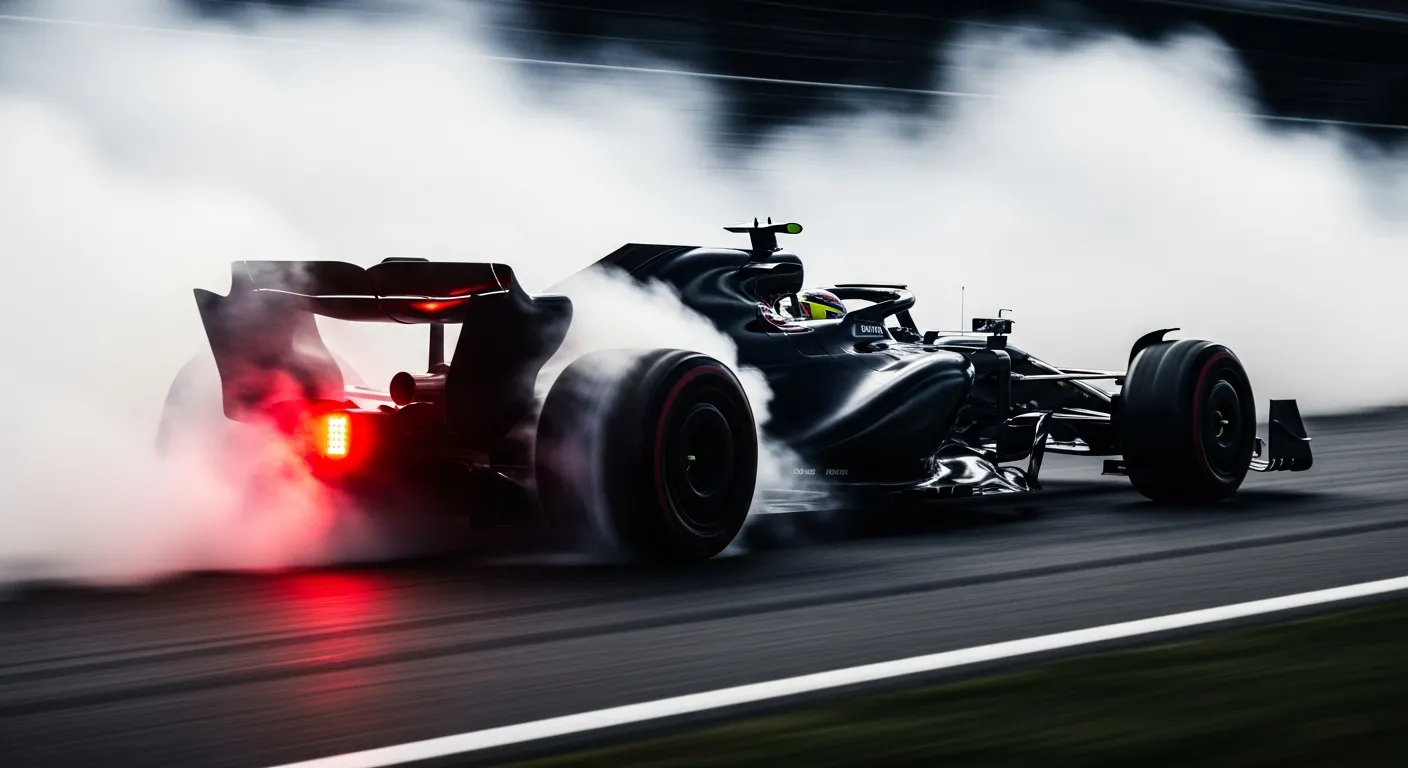
Andrea Kimi Antonelli boasts an impressive record at Suzuka, securing a win and a podium in just two starts, highlighting his rapid mastery of this challenging circuit.
Won here in: 2026
| Year | Team | Grid | Finish | Pts |
|---|---|---|---|---|
| 2025 |
One email a day, ahead of every session. Race results, paddock signal, and the calls the explainer sites miss.
By subscribing, you agree to receive daily F1 news and updates from The F1 Formula. No spam. Unsubscribe anytime. Privacy Policy
Continue reading
Andrea Kimi Antonelli secured a dominant victory at the 2026 Japanese Grand Prix, converting his pole position into 25 points and achieving the fastest lap of the race for Mercedes AMG F1.
Andrea Kimi Antonelli secured a P6 finish and 8 points for Mercedes AMG F1 at the 2025 Japanese Grand Prix, notably recording the fastest lap of the race on lap 50.
| Mercedes AMG F1 |
| P6 |
| P6 |
| 8 |
| 2026 | Mercedes AMG F1 | P1 | P1 | 25 |
Andrea Kimi Antonelli's early record at the Japanese Grand Prix at Suzuka stands as a testament to his rapid adaptation and inherent skill on one of Formula 1's most revered permanent circuits. His two appearances have yielded a remarkable 1 win and 1 podium, with his best finish being a first-place victory in 2026. This immediate success at a track known for its unforgiving nature and high-speed demands speaks volumes about his driving style and the synergy with the Mercedes AMG F1 car, establishing him as a significant contender whenever F1 visits Japan.
Suzuka's unique figure-eight layout, characterized by its iconic Esses, Degner curves, and the challenging Spoon Curve, requires a driver to be both precise and committed. The circuit punishes even minor errors, placing a premium on car placement and a smooth driving style to maintain momentum through its flowing sections. Antonelli's ability to extract performance from the Mercedes in these high-load corners, particularly through the rapid directional changes of Sector 1, suggests a natural aptitude for circuits that reward technical proficiency and a strong front end. This contrasts with tracks that might demand more low-speed traction, a different challenge entirely.
His victory in 2026, following an 8-point finish in 2025, highlights a significant step in his development and understanding of the circuit's nuances. The detailed results from the Jolpica/Ergast — 2026 season data confirm this progression. Mastering Suzuka involves not just raw pace but also expert tire management, especially with the high lateral forces exerted on the tires through its sustained corners. Mercedes' setup philosophy often prioritizes aerodynamic stability, which aligns well with Suzuka's demands, allowing Antonelli to push the limits with confidence. The Formula 1 — official site provides further context on the circuit's history and technical specifications, emphasizing its status as a driver's favorite.
While Suzuka presents a specific set of challenges, Antonelli's performances here offer insights into his broader capabilities on demanding permanent circuits. His adaptability is a key trait, much like how other young drivers, such as Oliver Bearman at the United States Grand Prix, have had to quickly get to grips with complex layouts. The ability to perform consistently across varied tracks is crucial for any driver aiming for sustained success in the FIA — F1 World Championship, and understanding the broader landscape of Formula One racing helps contextualize these performances. His early career trajectory suggests a strong foundation for circuits that demand a high degree of precision and commitment, similar to the technical challenges found at tracks like Oliver Bearman at the São Paulo Grand Prix or even the unique demands of Oliver Bearman at the Las Vegas Grand Prix, albeit with different track characteristics.
Given his strong initial outings, future Japanese Grand Prix events will likely see Antonelli as a formidable contender. His consistent finishes, with zero DNFs across his two starts, underscore his reliability and ability to bring the car home in challenging conditions. This blend of speed and consistency is what marks a top-tier performer on the F1 grid.