Track record
Source: Jolpica F1 API- Starts
- 1
- Wins
- 0
- Podiums
- 0
- Best finish
- P10
- DNFs
- 0
- Points
- 1
Every appearance
| Year | Team | Grid | Finish | Pts |
|---|---|---|---|---|
| 2025 | Haas F1 Team | P14 |
Driver × Circuit · street
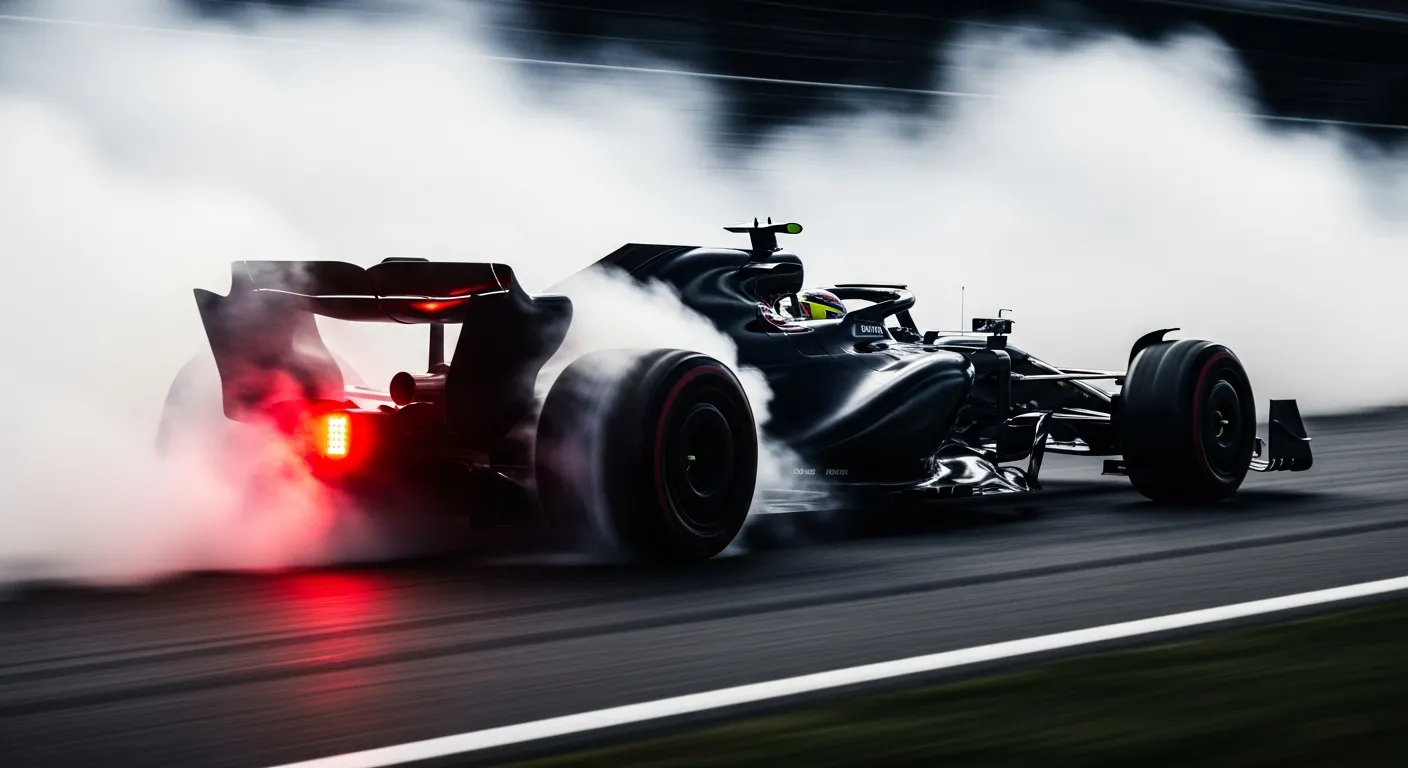
Oliver Bearman's sole appearance at the Las Vegas Grand Prix saw him secure a valuable point for Haas, navigating the challenging street circuit to a P10 finish in 2025.
| Year | Team | Grid | Finish | Pts |
|---|---|---|---|---|
| 2025 | Haas F1 Team | P14 |
One email a day, ahead of every session. Race results, paddock signal, and the calls the explainer sites miss.
By subscribing, you agree to receive daily F1 news and updates from The F1 Formula. No spam. Unsubscribe anytime. Privacy Policy
Continue reading
Oliver Bearman secured a valuable point for Haas F1 Team at the 2025 Las Vegas Grand Prix, navigating the challenging street circuit from a P14 grid start to a P10 finish.
Oliver Bearman's single appearance at the United States Grand Prix in 2025 saw him secure a points finish for Haas, demonstrating early adaptability to COTA's demanding layout.
| P10 |
| 1 |
Oliver Bearman's inaugural outing at the Las Vegas Grand Prix in 2025 marked a significant milestone, securing a points finish on a demanding street circuit that tests even the most experienced drivers. His performance, culminating in a tenth-place finish from a fourteenth-place grid start, demonstrated a composed approach to a high-pressure environment.
The Las Vegas Strip Circuit, with its unique blend of long straights and tight, technical corners, presents a distinct challenge. For a driver like Bearman, still building his Formula 1 career with the Haas F1 Team, adapting to such a circuit under the bright lights of a night race required precision and quick learning. His ability to climb four positions from his starting grid slot to finish P10, earning 1 point, speaks to his race craft and capacity for managing unexpected scenarios on a low-grip surface. This result stands as his best finish at this particular venue, achieved in his only appearance to date.
Navigating the cold track temperatures and varied grip levels common to street circuits, Bearman's drive highlighted his potential for consistent performance. The Las Vegas Grand Prix shares some characteristics with other demanding urban layouts, such as the strategic demands seen at the Singapore Grand Prix or the high-speed challenges of the Azerbaijan Grand Prix. Understanding how a driver extracts performance on these unique circuits is often key to their overall season trajectory. For a comprehensive overview of the sport's structure, the Wikipedia page on Formula One offers valuable context.
His single start, without any wins or podiums at this circuit, underscores the competitive nature of F1, particularly on a track where every tenth of a second is critical. The data from his 2025 appearance, available through sources like Jolpica/Ergast's F1 season data, provides a clear picture of his performance. As Bearman continues to develop, his experience at circuits like Las Vegas will be invaluable. The demands of a US-based event, similar in some ways to the atmosphere at the United States Grand Prix, require a specific mental fortitude beyond just driving skill. Future appearances will reveal how he builds on this initial points-scoring effort on one of the calendar's most distinctive tracks, a testament to the evolving landscape of the Formula 1 official site calendar.