Track record
Source: Jolpica F1 API- Starts
- 1
- Wins
- 0
- Podiums
- 0
- Best finish
- P5
- DNFs
- 0
- Points
- 10
Every appearance
| Year | Team | Grid | Finish | Pts |
|---|---|---|---|---|
| 2025 | Racing Bulls | P3 |
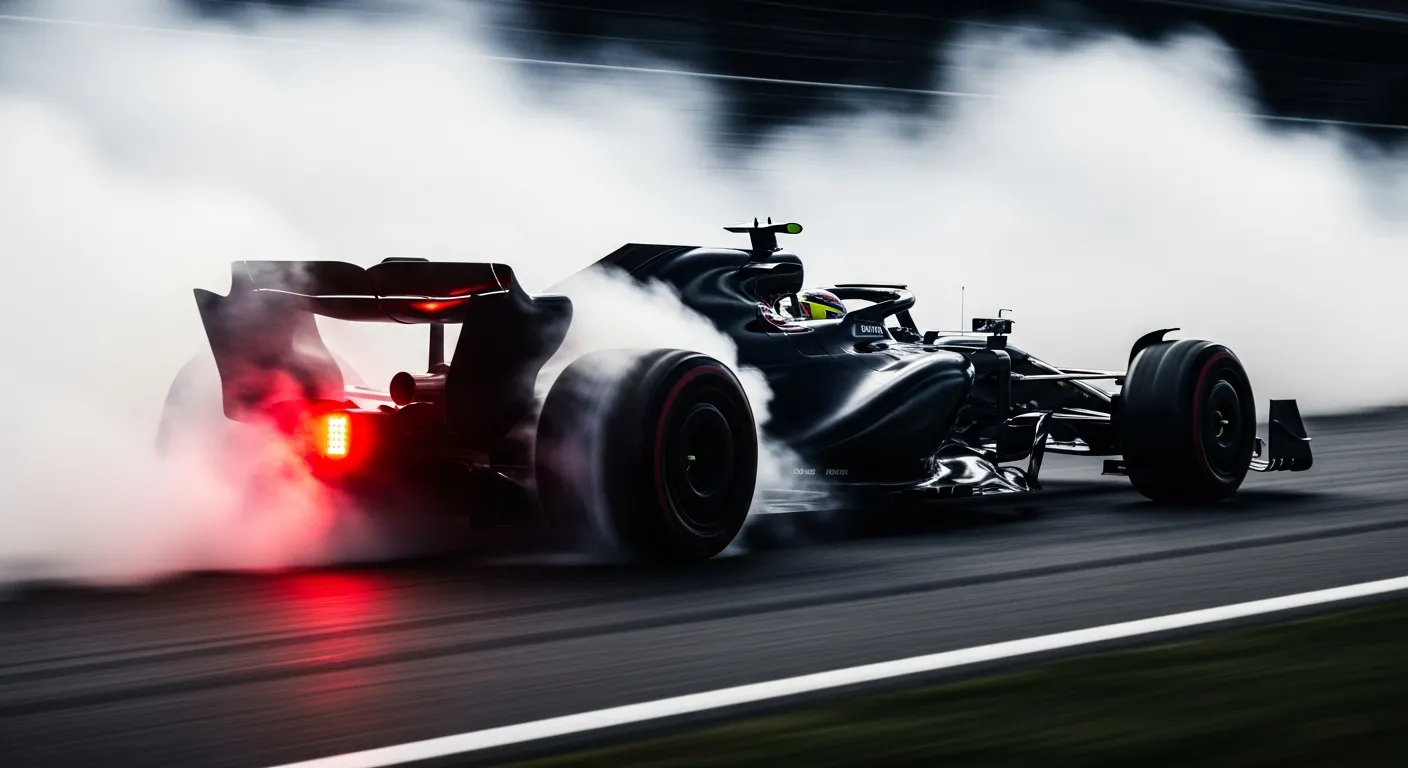
Driver × Circuit · street
Liam Lawson's sole appearance at the Azerbaijan Grand Prix saw him convert a strong qualifying performance into a notable fifth-place finish, showcasing his street circuit prowess.
| Year | Team | Grid | Finish | Pts |
|---|---|---|---|---|
| 2025 | Racing Bulls | P3 |
One email a day, ahead of every session. Race results, paddock signal, and the calls the explainer sites miss.
By subscribing, you agree to receive daily F1 news and updates from The F1 Formula. No spam. Unsubscribe anytime. Privacy Policy
Continue reading
Liam Lawson secured a commendable fifth-place finish for Racing Bulls at the 2025 Azerbaijan Grand Prix, converting a strong third-place grid start into a valuable 10 points on the challenging Baku City Circuit.
Liam Lawson's sole appearance at the Monaco Grand Prix saw him secure a points finish in 2025, demonstrating early adaptability to this demanding street circuit.
| P5 |
| 10 |
Liam Lawson's single outing at the Azerbaijan Grand Prix stands as a testament to his adaptability on demanding street circuits, culminating in a fifth-place finish from a third-place grid start in 2025. This performance at Baku, a circuit renowned for its unique blend of high-speed straights and an incredibly tight, technical castle section, immediately highlighted Lawson's capacity to extract pace under pressure and manage a race effectively.
His impressive qualifying position of third on the grid for Racing Bulls demonstrated an innate ability to find the limits of the car on a low-grip, unforgiving street layout. This is a characteristic often seen in drivers who excel on such tracks, where precision and confidence are paramount. The Baku City Circuit demands a delicate balance between aerodynamic efficiency for the long main straight and maximum downforce for the numerous 90-degree corners. Lawson's ability to navigate this compromise so effectively in his debut appearance there suggests a nuanced understanding of car setup and driving technique specific to these urban environments. For context on how other young drivers adapt to challenging venues, one might look at Oliver Bearman at the Saudi Arabian Grand Prix, another high-speed street circuit that tests new entrants.
While he didn't convert his P3 start into a podium, his fifth-place finish, securing 10 points, is a significant achievement for a driver's first competitive run at this particular venue. The Azerbaijan Grand Prix is notorious for its unpredictability, often featuring safety cars and strategic gambles. Lawson's race craft, maintaining a strong position throughout, indicates a maturity beyond his experience level at this circuit. This result also offers a compelling comparison point for other up-and-coming talents on complex tracks, such as Oliver Bearman at the Chinese Grand Prix, which also presents a unique set of challenges.
Lawson's performance underscores the importance of a driver's mental fortitude on street circuits, where even minor errors can be severely punished. The Baku circuit, in particular, requires absolute focus through its 20 corners and the intense braking zones leading into them. His result is duly recorded in the comprehensive Jolpica/Ergast — 2026 season data, which tracks all official Formula 1 statistics. This single appearance provides a strong foundation for future races at Baku, suggesting that with more experience, Lawson could be a consistent threat for higher honours. The broader landscape of Formula 1, as documented by the Formula 1 — official site, continually seeks drivers who can perform under such varied conditions. His P5 finish at Baku also echoes the consistent points-scoring capability seen from more seasoned drivers at challenging tracks, for instance, Esteban Ocon at the Abu Dhabi Grand Prix.
His performance aligns with the general characteristics of a driver who thrives on circuits where precision and bravery are rewarded. The Azerbaijan Grand Prix, a fixture on the Wikipedia: Formula One calendar, remains one of the most distinctive tests of a driver's ability to manage risk and reward.