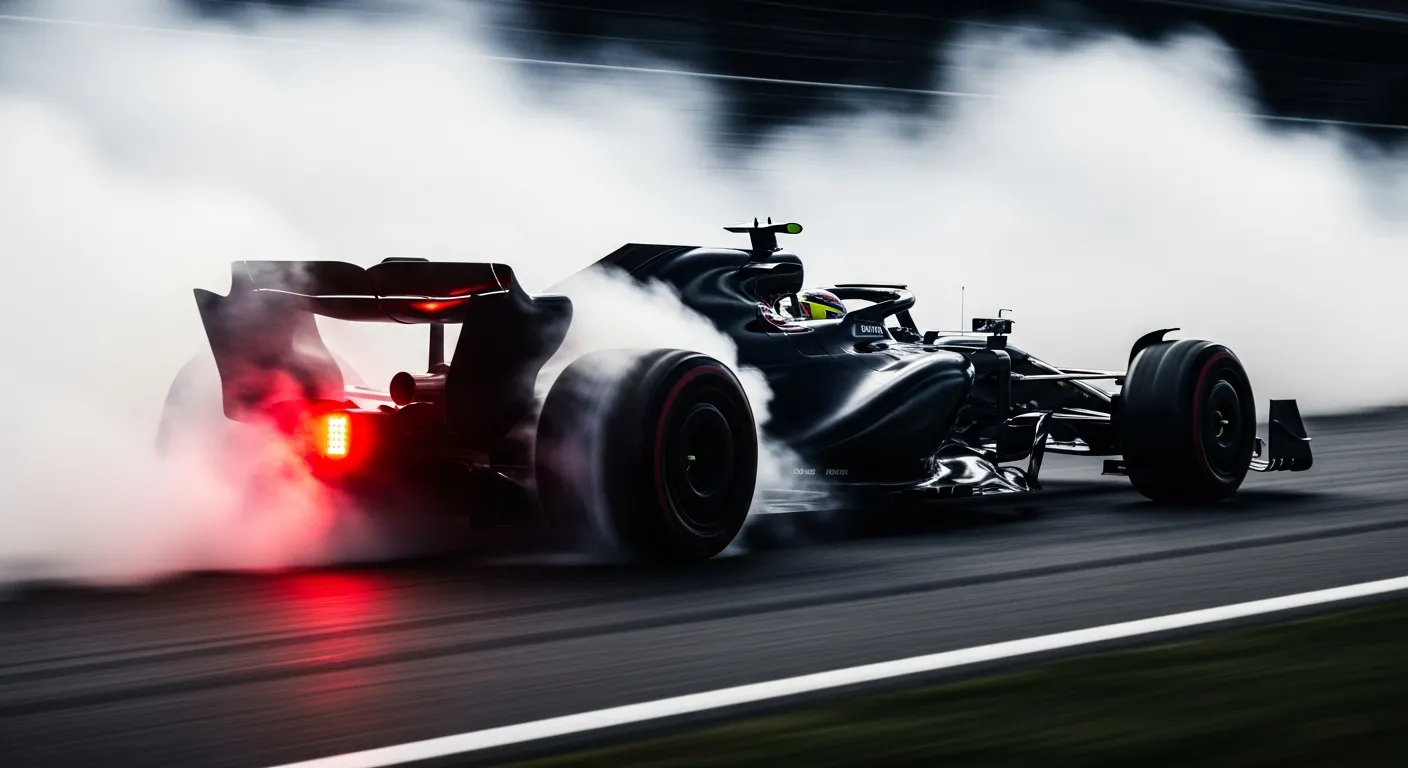
Nico Hülkenberg's extensive history at the Bahrain International Circuit, spanning 13 starts, paints a picture of a driver consistently navigating the demands of a diverse range of midfield machinery on a track known for its abrasive surface and critical braking zones. His best performance came in 2014 with Force India, securing a strong 5th place finish, a testament to his ability to maximize a car's potential on a circuit that punishes even minor errors. This result stands out in a record that otherwise features numerous finishes outside the points, largely reflecting the competitive landscape of the teams he represented at the time.
The permanent Sakhir circuit, with its blend of long straights and tight hairpins, places a premium on both engine power and robust braking stability. Hülkenberg's driving style, often characterized by precise inputs and a strong feel for the car under braking, has historically allowed him to perform well in sectors requiring confidence on entry and efficient power delivery on exit. However, the high thermal degradation of tyres at Bahrain, exacerbated by the desert environment and often cooler evening temperatures, has at times presented a challenge, demanding meticulous tyre management throughout a race stint. This aspect is crucial for any driver aiming for a points finish, as seen in the varied outcomes across his appearances.
His journey through different constructors at Bahrain — from his debut with Williams in 2010 to his recent outings with Haas and his upcoming appearance with Kick Sauber in 2025 — highlights the ebb and flow of midfield fortunes. While the 2014 result with Force India remains a career high at this venue, his 6th place in 2018 with Renault further underscores his capability to deliver solid points finishes when the car package is competitive. The 2019 DNF due to a power unit issue with Renault, and the 2025 disqualification for illegal skid block wear with Kick Sauber, illustrate the technical hurdles that can impact even a seasoned driver's race weekend, irrespective of their personal performance.
Comparing Bahrain to other permanent circuits, the emphasis on traction and braking differs significantly from, say, the high-speed flow of Isack Hadjar at the Belgian Grand Prix or the technical, twisty nature of Isack Hadjar at the Hungarian Grand Prix. Bahrain's unique characteristics, particularly its low-grip surface and the high demand on rear tyres, require a specific setup philosophy and a driver capable of adapting throughout the race. Hülkenberg's consistent presence in Formula 1, as documented by official sources like the Formula 1 — official site, has allowed him to accumulate valuable experience, which is invaluable in managing these nuances.
As Hülkenberg prepares for future engagements at Sakhir, his approach will undoubtedly focus on leveraging his experience to mitigate the circuit's challenges. The data from previous seasons, accessible through resources like Jolpica/Ergast — 2026 season data, provides a clear picture of his historical performance. Understanding the evolution of F1 car design and regulations, as detailed on platforms like Wikipedia: Formula One, is also key to appreciating the context of his results across different eras. His ability to qualify well, a recurring theme in his career, will be critical in securing a strong starting position, which is often a prerequisite for points at Bahrain, even if the race pace of the Kick Sauber car presents its own set of challenges. This blend of experience and technical understanding will be crucial for any potential success.