Track record
Source: Jolpica F1 API- Starts
- 1
- Wins
- 0
- Podiums
- 0
- Best finish
- P10
- DNFs
- 0
- Points
- 1
Every appearance
| Year | Team | Grid | Finish | Pts |
|---|---|---|---|---|
| 2025 | Racing Bulls | P8 |
Driver × Circuit · street
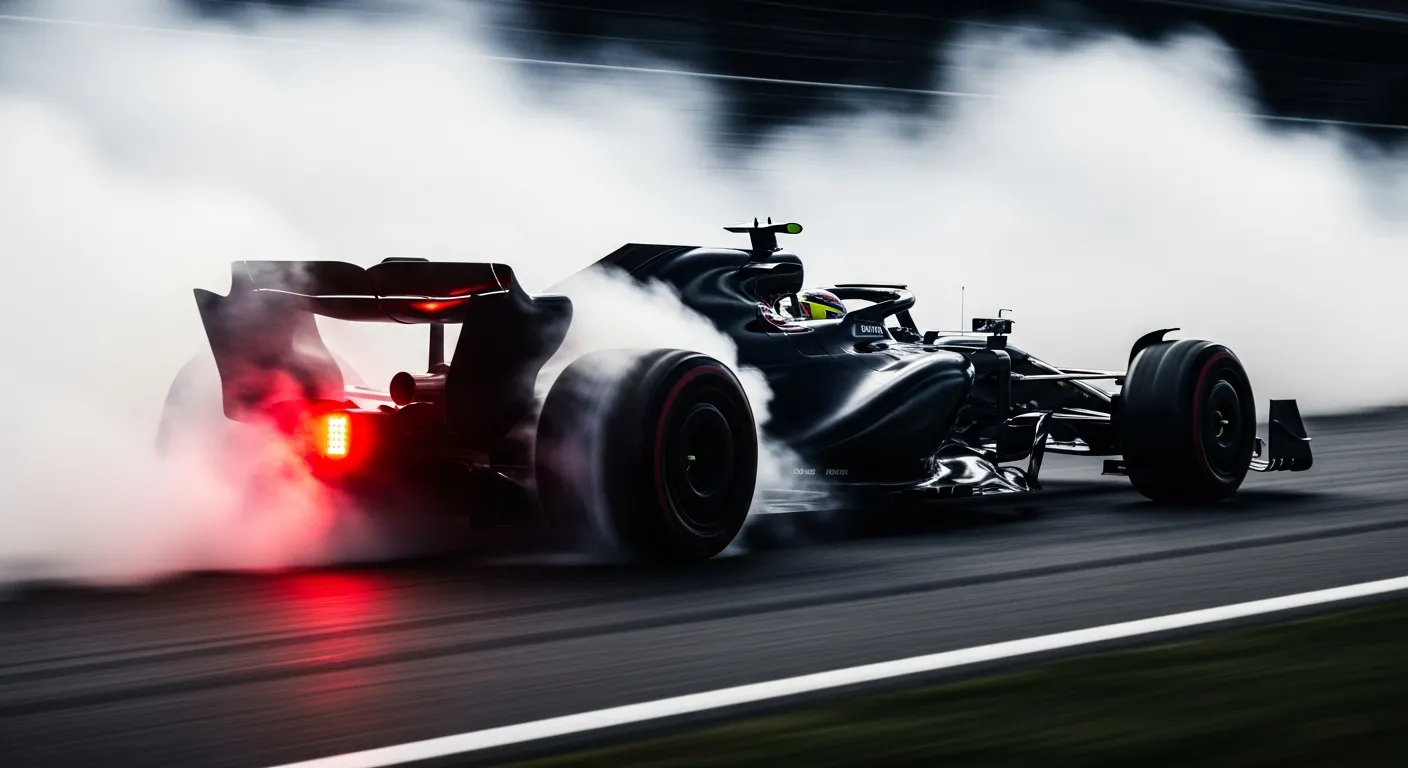
Isack Hadjar's sole appearance at the Azerbaijan Grand Prix saw him secure his first career point at the challenging Baku street circuit, marking a significant milestone in his early F1 journey.
| Year | Team | Grid | Finish | Pts |
|---|---|---|---|---|
| 2025 | Racing Bulls | P8 |
One email a day, ahead of every session. Race results, paddock signal, and the calls the explainer sites miss.
By subscribing, you agree to receive daily F1 news and updates from The F1 Formula. No spam. Unsubscribe anytime. Privacy Policy
Continue reading
Isack Hadjar secured a single championship point for Racing Bulls at the 2025 Azerbaijan Grand Prix, converting an eighth-place grid start into a tenth-place finish after completing all 51 laps.
Isack Hadjar's single Formula 1 appearance at the Emilia Romagna Grand Prix in 2025 saw him secure a points finish, marking a significant early career achievement at the demanding Imola circuit.
| P10 |
| 1 |
Isack Hadjar's debut at the Azerbaijan Grand Prix in 2025 stands as a notable performance, yielding his first career points at a circuit known for its unforgiving nature and high-speed demands. Starting from eighth position on the grid, Hadjar navigated the unique challenges of Baku to cross the finish line in tenth place, securing a crucial single point for Racing Bulls. This result was particularly significant as it marked his first points-scoring finish in Formula 1, underscoring his ability to perform under pressure on a complex street circuit.
The Baku City Circuit, with its blend of ultra-fast sections and incredibly tight, technical corners through the old city, demands a specific blend of bravery and precision. Drivers must commit to high speeds on the long main straight while also demonstrating pinpoint accuracy through the narrow castle section. Hadjar's performance in 2025 suggested an adaptability to these varied conditions, a trait essential for success on such a demanding track. His ability to maintain position and avoid the typical incidents that often plague the Azerbaijan Grand Prix speaks volumes about his car control and race management, echoing the kind of disciplined drives seen from veterans even on other challenging street circuits like Lewis Hamilton at the Monaco Grand Prix.
Securing a point in his only appearance at Baku highlights Hadjar's capacity to capitalize on opportunities and extract performance from his package. The circuit's layout, with its heavy braking zones and opportunities for overtakes into Turn 1, often rewards drivers who can manage their tyres effectively and execute decisive moves. For a rookie, achieving this on a track that has caught out many experienced drivers is a testament to his composure. This result provides a solid benchmark for any future returns to Baku, demonstrating that he can contend for points even in the highly competitive mid-field.
Looking ahead, Hadjar's experience at the Azerbaijan Grand Prix will be invaluable. The single point earned in 2025 is more than just a number; it's confirmation of his potential and a foundation upon which to build. For a broader understanding of the sport's current landscape and the competitive pressures drivers face, the Formula 1 — official site offers comprehensive insights into the championship. The unique challenges of street circuits like Baku are well-documented in the broader context of Formula One on Wikipedia, highlighting the precision required. This single point from Baku is now part of Hadjar's official record, which can be tracked through statistical databases like Jolpica/Ergast — 2026 season data for future reference, alongside other crucial performance metrics that define a driver's career trajectory, much like how others approach circuits with mixed characteristics, such as Lewis Hamilton at the Canadian Grand Prix.