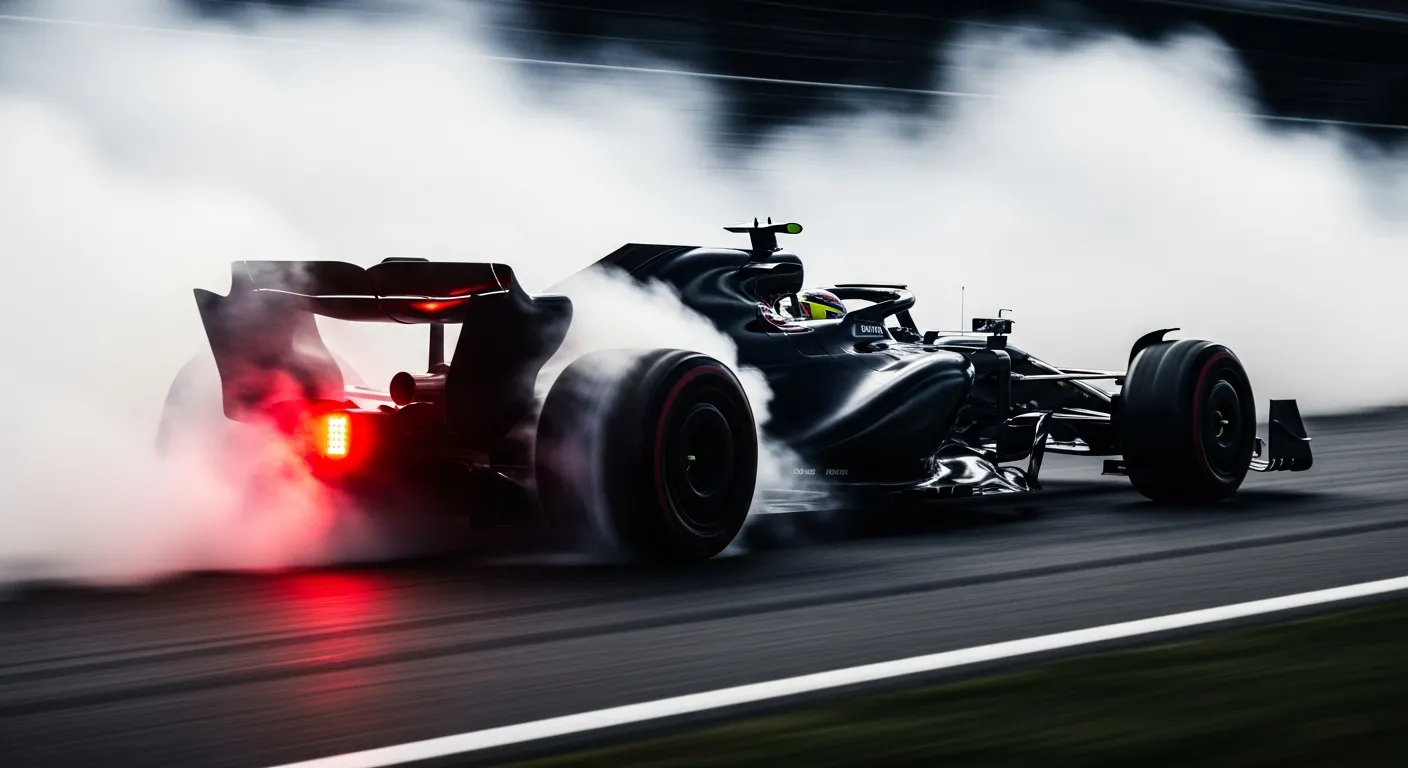
Nico Hülkenberg's extensive record at the Monaco Grand Prix showcases a driver capable of consistent performance on a demanding street circuit, often extracting the maximum from his machinery despite the inherent challenges of Monte Carlo. With 12 starts at this iconic venue, Hülkenberg has navigated its narrow confines more often than many of his peers, achieving a best finish of 5th in 2014 with Force India. This result stands as a testament to his precision and ability to seize opportunities, particularly impressive given the competitive landscape of a midfield team on a circuit where raw car performance often dictates the top positions.
Monaco's unique demands, characterized by its unforgiving barriers and minimal overtaking zones, place an extraordinary premium on qualifying performance and flawless race execution. Hülkenberg's consistent presence in the points, including an 8th place in 2012, a 6th in 2016, and another 8th in 2018, underscores his capacity to manage races effectively and avoid the pitfalls that often catch out even the most experienced drivers. His clean driving style, which minimizes errors, is a significant asset on a circuit where a single mistake can end a race, as seen in his own accident-induced DNF in his 2010 debut and a collision in 2024.
The challenge for Hülkenberg at Monaco has often been the sheer pace required to break into the top three, a common hurdle for drivers not in front-running machinery. While he has consistently brought home points for various teams—Williams, Force India, Sauber, and Renault—the podium has remained elusive. This mirrors the experiences of many drivers on tight street circuits, where car setup and outright pace are paramount, similar to the strategic battles witnessed at events like the Charles Leclerc at the Singapore Grand Prix or the high-speed walls of Charles Leclerc at the Azerbaijan Grand Prix.
His more recent appearances, particularly with Haas in 2023 and 2024, have reflected the team's struggles, resulting in finishes outside the points. The 2025 season will see him return to the Monaco grid with Kick Sauber, presenting another opportunity to demonstrate his enduring skill on a circuit that demands absolute commitment. Success here, as across the entire Formula 1 — official site calendar, hinges on a delicate balance between driver talent and car capability. Analyzing historical data, such as that provided by Jolpica/Ergast — 2026 season data, consistently shows how critical this synergy is. While a permanent circuit like the Charles Leclerc at the United States Grand Prix offers more room for recovery, Monaco punishes every imperfection, making Hülkenberg's multiple points finishes a notable aspect of his F1 career, as documented in the broader context of Wikipedia: Formula One.
Ultimately, Nico Hülkenberg's Monaco record is a narrative of consistent professionalism and maximizing potential within the constraints of his machinery. His ability to deliver solid, reliable performances on the sport's most glamorous and demanding stage is a hallmark of his career.