Track record
Source: Jolpica F1 API- Starts
- 4
- Wins
- 0
- Podiums
- 0
- Best finish
- P7
- DNFs
- 0
- Points
- 7
Every appearance
| Year | Team | Grid | Finish | Pts |
|---|---|---|---|---|
| 2022 | Scuderia AlphaTauri | P9 |
Driver × Circuit · street
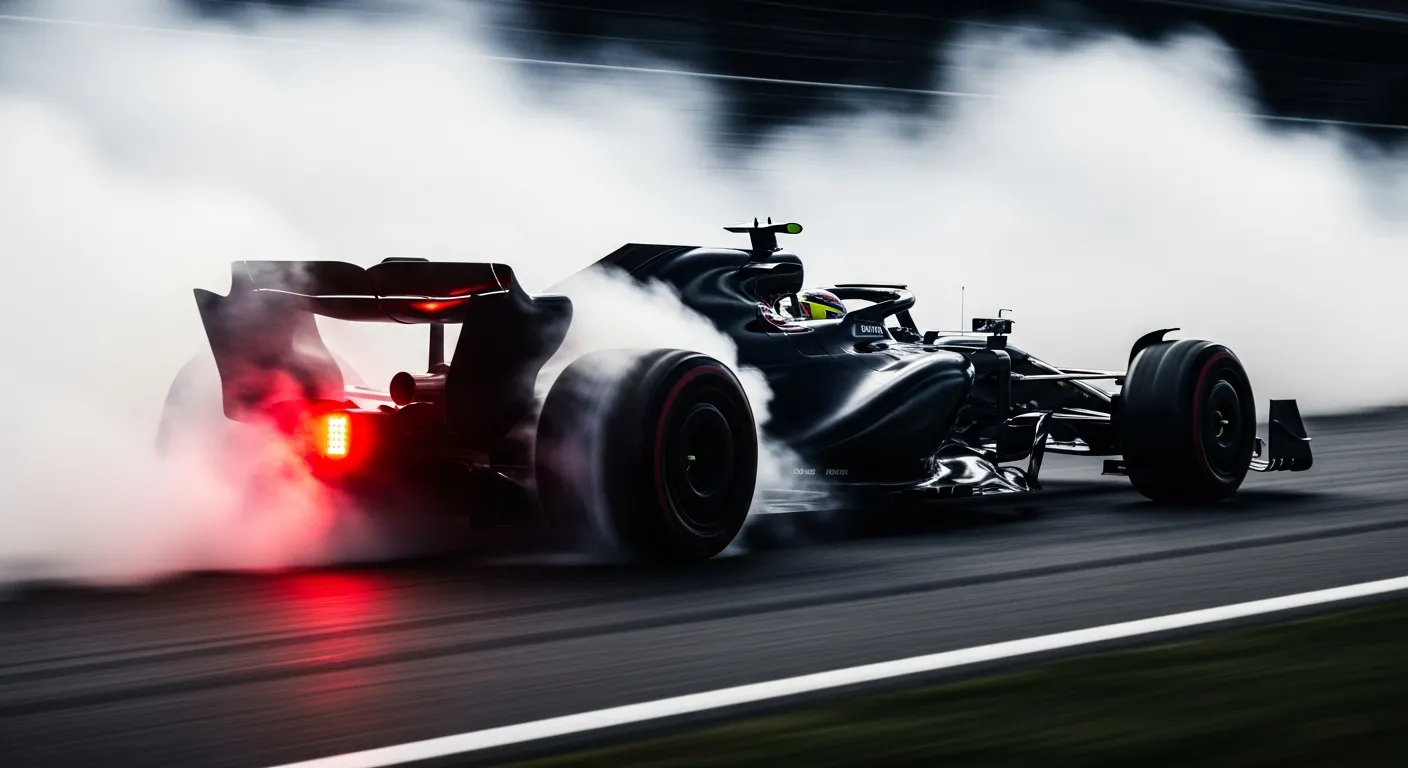
Yuki Tsunoda's record at the Miami Grand Prix shows a clear progression, culminating in his best finish of 7th in 2024, highlighting his evolving mastery of this unique street circuit.
| Year | Team | Grid | Finish | Pts |
|---|---|---|---|---|
| 2022 | Scuderia AlphaTauri | P9 |
One email a day, ahead of every session. Race results, paddock signal, and the calls the explainer sites miss.
By subscribing, you agree to receive daily F1 news and updates from The F1 Formula. No spam. Unsubscribe anytime. Privacy Policy
Continue reading
Yuki Tsunoda navigated the 2024 Miami Grand Prix from a P10 grid start to secure a commendable P7 finish, earning 6 points for Racing Bulls in a race that saw strategic plays and on-track incidents.
Yuki Tsunoda started P17 and finished P11 at the 2023 Miami Grand Prix, narrowly missing out on points for Scuderia AlphaTauri despite a strong race pace.
| P12 |
| 0 |
| 2023 | Scuderia AlphaTauri | P17 | P11 | 0 |
| 2024 | Racing Bulls | P10 | P7 | 6 |
| 2025 | Red Bull Racing | P10 | P10 | 1 |
Yuki Tsunoda's journey at the Miami Grand Prix demonstrates a compelling narrative of adaptation and increasing effectiveness on a demanding street circuit. Across his four appearances since the inaugural race in 2022, Tsunoda has steadily improved his understanding and performance, culminating in his strongest showing yet with a 7th place finish in 2024. This marked his first points scored at Miami, a significant step from his 12th place in 2022 and 11th in 2023, both with Scuderia AlphaTauri. His consistent presence on the grid, as detailed by the Jolpica/Ergast F1 data, underscores his commitment to mastering each unique challenge the calendar presents.
The Miami International Autodrome, a temporary street circuit built around Hard Rock Stadium, presents a distinct set of challenges. Its mix of high-speed sections, particularly the long straights leading into heavy braking zones, combined with tighter, more technical corners, demands a precise yet aggressive approach. Tsunoda's driving style, often characterized by his sharp turn-in and willingness to push the limits, can be particularly effective on such layouts when he finds the right balance. His qualifying performances, securing P9 in 2022 and P10 in 2024, indicate his raw pace and ability to extract maximum performance from the car over a single lap on this specific track. For a deeper dive into the general characteristics of the sport, the Wikipedia: Formula One page offers extensive context.
The 2024 Miami Grand Prix saw Tsunoda convert a strong qualifying into a valuable points finish for Racing Bulls. Starting from 10th on the grid, he navigated the race with a maturity that has become increasingly evident in his recent seasons. This performance, securing 6 points, reflects not only his personal growth but also the team's ability to provide a competitive package suited to the Miami track's demands. While he has yet to achieve a podium or a win at this venue, his best finish of 7th demonstrates a clear upward trajectory, suggesting that with continued development, he could contend for even higher positions in the future.
Comparing Miami to other street circuits on the calendar, such as the Azerbaijan Grand Prix or the Singapore Grand Prix, highlights Tsunoda's evolving proficiency. While Baku features extremely long straights and tight castle sections, and Marina Bay is notoriously physically demanding with its numerous corners, Miami offers a blend that requires both straight-line speed and technical finesse. Tsunoda's ability to adapt his approach to these varied street environments is a testament to his development as a Formula 1 driver, as documented on the Formula 1 — official site. His performance here, much like his efforts at the United States Grand Prix in Austin, contributes to a growing understanding of how he performs on North American circuits.