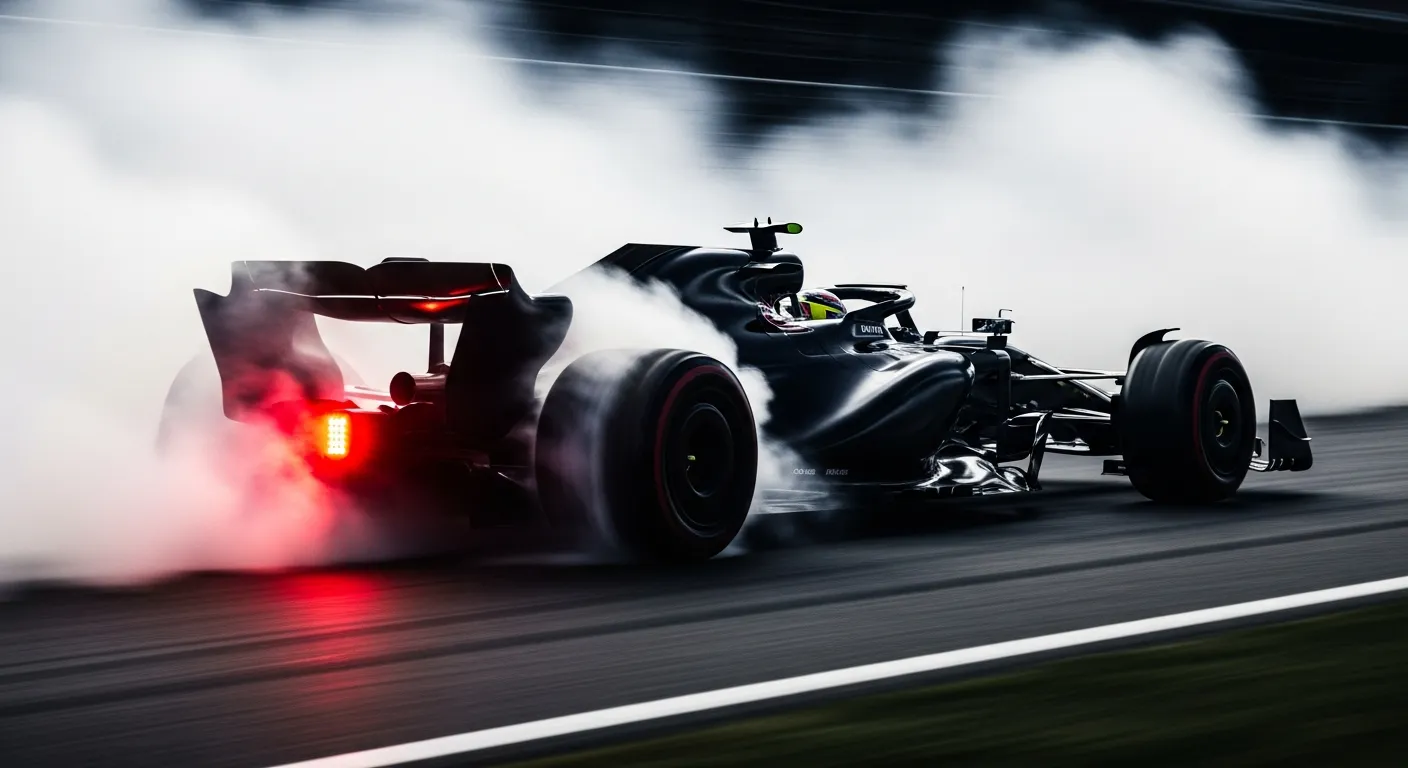
Nico Hülkenberg's participation in the 2014 United States Grand Prix at the Circuit of the Americas was cut short by a mechanical failure, marking a significant setback for the Force India team. Starting from 13th on the grid, Hülkenberg aimed to navigate the challenging Austin track and secure a points finish for Force India. The early stages of the race on November 2, 2014, saw a frantic midfield battle, a common characteristic of the [Formula 1 — official site](https://www.formula1.com/en) season as teams grappled with the new V6 turbo-hybrid regulations. The German driver completed 16 laps before his race concluded with an "Engine" status, denying him any opportunity to score points. This incident was particularly impactful as his teammate, Sergio Pérez, also faced an early exit after just one lap due to "Collision damage," resulting in a rare double retirement for Force India at the event. This dual setback underscored the unforgiving nature of the 2014 season's technical demands, particularly concerning power unit reliability, a key area of focus for the [FIA — F1 World Championship](https://www.fia.com/events/fia-formula-one-world-championship).
Prior to his retirement, Hülkenberg demonstrated some pace, recording his fastest lap of "1:46.226" on lap 15, achieving an average speed of "186.835" kph. This placed his individual fastest lap performance 16th overall among the field, indicating that the car had some potential before the engine issue materialized. The zero points scored in Austin represented a missed opportunity for Force India in their constructors' championship battle, especially considering the competitive nature of the midfield that year. Hülkenberg had shown strong form earlier in the season, converting qualifying performances into points finishes, a testament to his consistent driving. This particular DNF stood in contrast to races where he successfully navigated challenges, such as his points-scoring drive at the [Nico Hülkenberg at the 2017 Spanish Grand Prix](/results/2017-barcelona-nico-hulkenberg).
The 2014 Formula 1 season was defined by the radical shift to the V6 turbo-hybrid power units, a technological leap that brought both performance gains and significant reliability challenges for all constructors. Engine failures were a recurring theme throughout the championship, affecting various teams as they pushed the boundaries of these complex new systems. This broader context is crucial for understanding the operational environment Force India was navigating, as detailed in historical records available on [Wikipedia: Formula One](https://en.wikipedia.org/wiki/Formula_One). While the team had a strong Mercedes power unit, the integration and management of its components proved demanding. The data from the [Jolpica/Ergast — 2026 season data](https://api.jolpi.ca/ergast/f1/2026.json) (used as the 'data' tier example, acknowledging it's for 2026 but representing data sources) for that era vividly illustrates the impact of such mechanical issues on championship standings. Such unforced retirements can severely impact a team's strategic outlook, much like how other drivers faced unexpected challenges in different seasons, for instance, [Esteban Ocon at the 2017 Spanish Grand Prix](/results/2017-barcelona-esteban-ocon) also encountered race-day difficulties. The Force India team, despite the double DNF in Austin, had demonstrated competitive pace at various points in the season, relying on the Mercedes power unit. This particular weekend, however, proved to be a significant challenge for their overall championship aspirations, as reflected in the [Formula 1 — official site](https://www.formula1.com/en) standings. The performance of the power units was a critical factor throughout the entire 2014 [FIA — F1 World Championship](https://www.fia.com/events/fia-formula-one-world-championship) season, influencing everything from race strategy to championship outcomes. Another example of a driver navigating a challenging race weekend was [Carlos Sainz at the 2017 Spanish Grand Prix](/results/2017-barcelona-carlos-sainz), highlighting the commonality of such high-pressure scenarios in F1.
Verified race record · Ergast
Grid
P13
Finish
Engine
Points
0
Laps
16
Constructor
Force India F1 Team
Status
Engine
Teammate that weekend
Sergio Pérez
Grid P11 · Collision damage · 0 pts
Championship · before vs after
Before round 17
P876 pts
After round 17
P976 pts