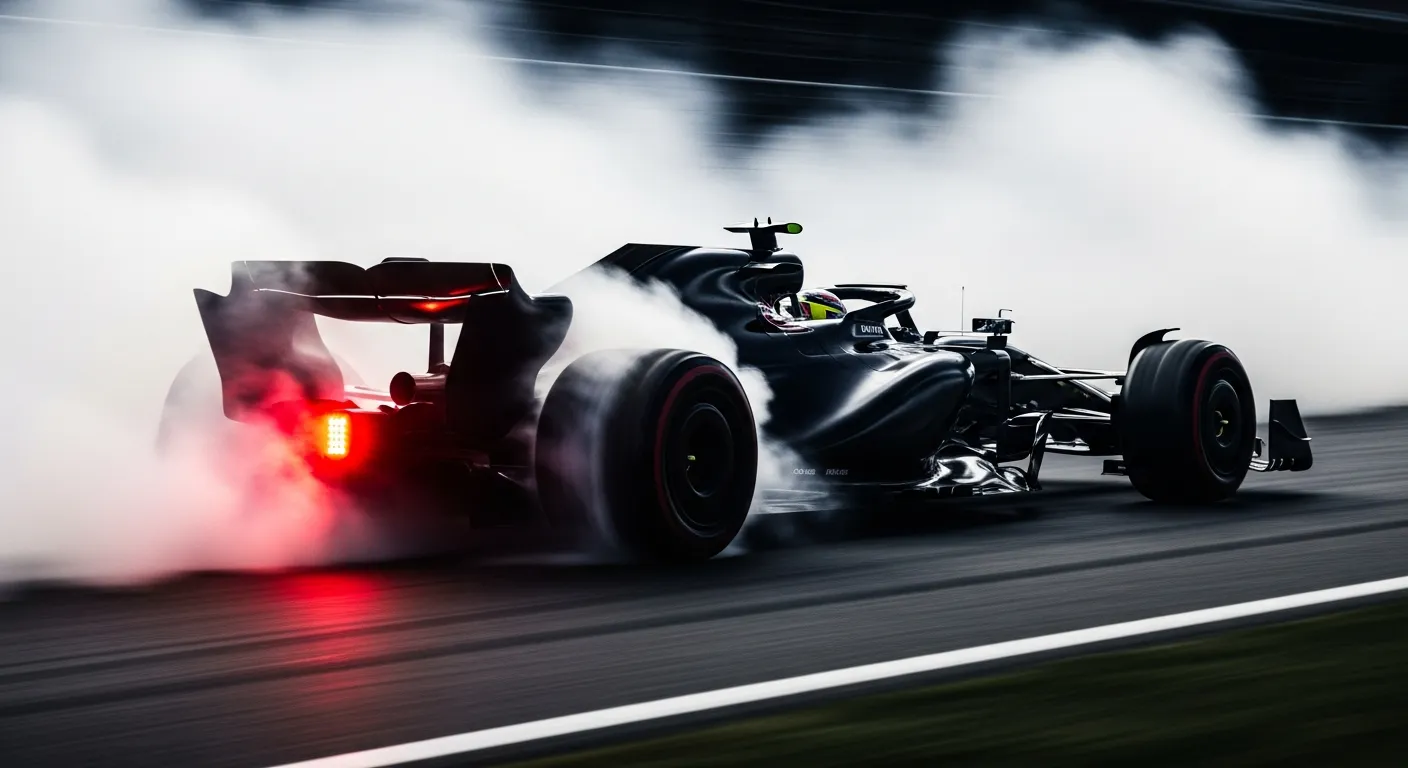
Carlos Sainz's debut for Renault at the 2017 United States Grand Prix was a demonstration of immediate integration and competitive pace, securing a seventh-place finish from a corresponding grid slot. This performance at the [Circuit of the Americas](https://www.formula1.com/en/circuits/united-states/circuit-of_the_americas.html) on October 22, 2017, marked a significant moment for both driver and team, as Sainz transitioned into the Renault factory outfit mid-season. Coming directly from Toro Rosso, his ability to quickly adapt to the R.S.17 chassis and extract performance was a key talking point. Starting from seventh on the grid, Sainz maintained this position throughout the challenging 56-lap event, expertly managing his tires and fending off rivals in the competitive midfield. His consistent pace was evident, with his fastest lap of 1:40.462 recorded on lap 43, placing him 12th in the overall fastest lap rankings for the race. This steady drive contrasted sharply with the early retirement of his new teammate, [Nico Hülkenberg, who experienced an engine issue](/results/2017-bahrain-nico-hulkenberg) after just three laps, highlighting the reliability challenges some teams faced with their power units during the season. Sainz's ability to bring the car home in the points, securing six valuable points, immediately validated the team's decision to bring him in, offering a crucial boost to their constructor's championship efforts. The broader context of the race saw Lewis Hamilton clinch victory, a result that further shaped the championship narrative, as documented in the official [Formula 1 race results](https://www.formula1.com/en/results.html).
The strategic execution by the Renault team was pivotal in enabling Sainz to maintain his track position and extract maximum performance from the R.S.17 chassis. Navigating the high-speed sections and technical corners of COTA, Sainz demonstrated a mature approach, avoiding the incidents that plagued other competitors. For instance, [Fernando Alonso also retired due to an engine issue](/results/2017-imola-fernando-alonso) later in the race, underscoring the mechanical demands placed on the power units during the 2017 season. Sainz's race was a testament to disciplined driving and effective communication with his race engineers, ensuring optimal pit stop timing and tire management. While the front of the field saw dramatic action, including a spirited charge from [Max Verstappen, who started 16th due to penalties](/results/2017-imola-max-verstappen) and initially crossed the line in third before a post-race penalty, Sainz's focus remained on consolidating his position. His performance was less about headline-grabbing overtakes and more about a calculated drive to secure points, a crucial factor for a constructor aiming to climb the championship standings, as outlined by the [FIA's sporting regulations](https://www.fia.com/events/fia-formula-one-world-championship). The detailed [Jolpica/Ergast F1 data](https://api.jolpi.ca/ergast/f1/2026.json) provides a granular look at how such consistent finishes contribute to a team's overall season performance, particularly in a year marked by intense midfield competition. This race at Austin served as a strong indicator of Sainz's potential to be a consistent points scorer for Renault, solidifying his reputation within [Formula One](https://en.wikipedia.org/wiki/Formula_One) as a reliable and quick driver capable of delivering under pressure. His seamless integration into the team laid a solid foundation for the remainder of the 2017 season and beyond.
Verified race record · Ergast
Grid
P7
Finish
P7
Points
6
Laps
56
Constructor
Renault Sport Formula One Team
Status
Finished
Teammate that weekend
Nico Hülkenberg
Grid P18 · Engine · 0 pts
Championship · before vs after
Before round 17
P948 pts
After round 17
P954 pts