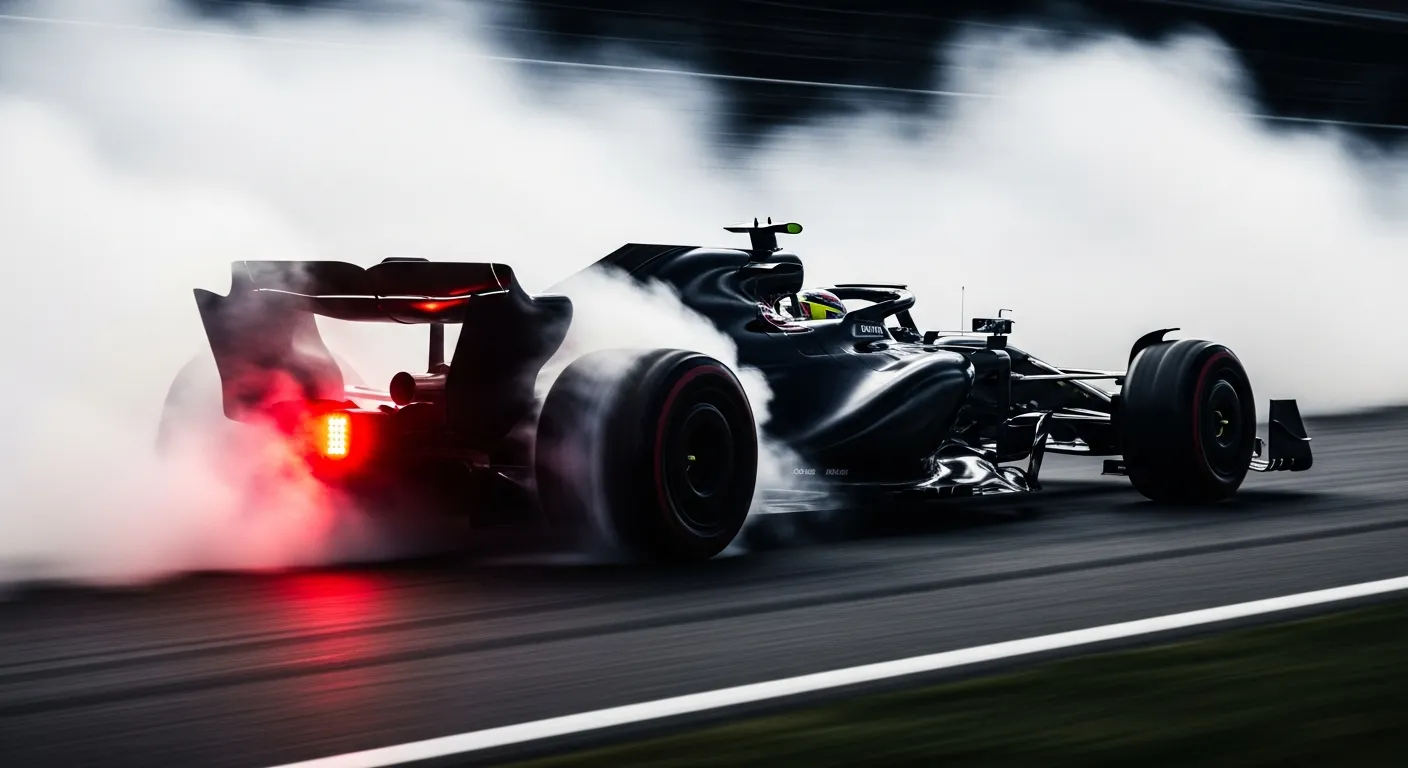
Lance Stroll's 2018 Singapore Grand Prix was a demonstration of navigating the challenging Marina Bay Street Circuit from a difficult starting position, ultimately improving his grid slot for Williams. Starting from 20th, the Canadian driver faced an immediate uphill battle on a circuit known for its unforgiving nature and limited overtaking opportunities. The night race under the lights of [Marina Bay Street Circuit](https://en.wikipedia.org/wiki/Marina_Bay_Street_Circuit) always presents a unique test for drivers and machinery, and the Williams FW41 that season was not a front-running contender, making any progress a hard-fought gain. This race, the 15th round of the 2018 [Formula 1 World Championship](https://www.fia.com/events/fia-formula-one-world-championship), saw Stroll aim for a clean run amidst the high-stakes environment.
Stroll completed 60 laps of the 61-lap event, finishing 14th, one lap down from the race winner, [Lewis Hamilton at the 2020 Hungarian Grand Prix](/results/2020-hungaroring-lewis-hamilton), who took victory in Singapore that year. This represented a six-position gain from his grid slot, a notable achievement given the circuit's characteristics. His teammate, Sergey Sirotkin, started 19th and finished 19th, two laps down, indicating Stroll's relative performance advantage within the Williams garage on this particular weekend. The team, [Williams Grand Prix Engineering](https://www.formula1.com/en/teams/Williams.html), was grappling with significant performance deficits throughout the 2018 season, making any forward movement challenging.
Stroll's fastest lap of the race was a 1:46.033, recorded on lap 53, placing him 17th in the overall fastest lap standings. While not a top-tier time, it demonstrated consistent pace in the latter stages of the race, a crucial aspect for any driver seeking to manage tires and fuel on the demanding street circuit. For context, [Max Verstappen at the 2020 Hungarian Grand Prix](/results/2020-hungaroring-max-verstappen) finished second in this very race, showcasing the gap to the front-runners. The strategic calls made by Williams during the pit window were critical in allowing Stroll to maintain track position and capitalize on any opportunities that arose.
Despite the solid drive, Stroll did not score any championship points in Singapore, a reflection of the competitive landscape and the performance limitations of the Williams package. This result kept his season points tally at 6, maintaining his 17th position in the Drivers' Championship, as seen in the comprehensive [F1 season data](https://api.jolpi.ca/ergast/f1/2026.json). The race itself was a complex affair, with incidents like Romain Grosjean and Sergio Pérez's collision adding to the drama, but Stroll managed to avoid major trouble. His performance was a testament to his ability to extract what was available from the car, even if it wasn't enough for points. Drivers like [Charles Leclerc at the 2020 Hungarian Grand Prix](/results/2020-hungaroring-charles-leclerc), who finished 9th in Singapore, were beginning to show the potential that would soon elevate them to top teams, highlighting the intense competition even in the midfield. For more details on the race, the [2018 Singapore Grand Prix Wikipedia page](https://en.wikipedia.org/wiki/2018_Singapore_Grand_Prix) offers a comprehensive overview. The overall picture of the 2018 F1 season can be explored on the [official Formula 1 site](https://www.formula1.com/en).
Verified race record · Ergast
Grid
P20
Finish
P14
Points
0
Laps
60
Constructor
Williams Grand Prix Engineering
Status
+1 Lap
Teammate that weekend
Sergey Sirotkin
Grid P19 · Finish P19 · 0 pts
Championship · before vs after
Before round 15
P176 pts
After round 15
P176 pts