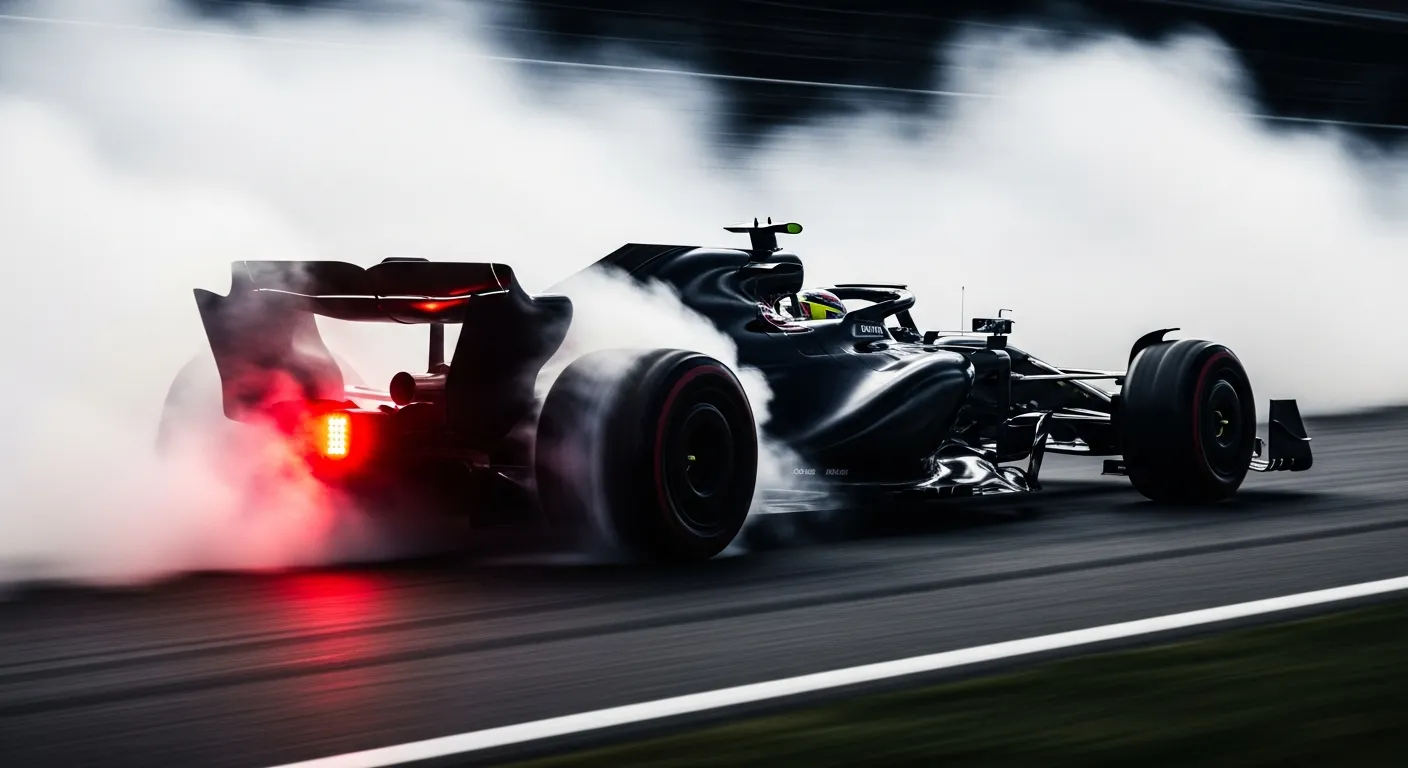
Lance Stroll's outing at the 2019 United States Grand Prix on November 3rd, 2019, saw the Canadian driver for Racing Point navigate the Circuit of the Americas to a 13th place finish, improving one position from his 14th place grid start. This result, completing 55 laps, placed him one lap down from race winner Valtteri Bottas, who completed 56 laps. Stroll's performance included a fastest lap of 1:40.380 on lap 42, ranking him 13th overall in fastest laps for the event. The Circuit of the Americas, known for its challenging elevation changes and diverse corner profiles, often presents a stern test for car setup and driver skill. In the context of the 2019 [Formula 1 season](https://www.formula1.com/en/results.html/2019/races.html), midfield battles were particularly intense, and Racing Point's RP19, while capable of flashes of pace, often found itself in tight competition for the lower points positions. Stroll's consistency throughout the 55 laps was evident, yet the outright pace required to break into the top ten proved just out of reach on this particular Sunday in Austin. This situation is not uncommon in Formula 1, where a strong start, as seen from [Lewis Hamilton at the 2014 United States Grand Prix](/results/2014-cota-lewis-hamilton), can set the tone for the entire race, making early gains crucial.
His teammate, Sergio Pérez, who started from the pit lane due to an infringement, managed a remarkable recovery drive to secure a single point by finishing 10th, also on 55 laps. Pérez's fastest lap, a 1:40.165 on lap 34, was marginally quicker than Stroll's, illustrating the fine margins that often separate drivers within the same team and across the midfield pack. The strategic decisions made by teams, including tire management and pit stop timing, are often critical at COTA, especially when vying for championship points. Understanding the intricate [F1 technical regulations](https://www.fia.com/regulation/category/110) regarding tire compounds and pit lane procedures is crucial for optimizing race strategy, a dynamic element that can shift fortunes. This was a race where the competitive landscape required precise execution, a challenge that drivers like [Fernando Alonso at the 2014 Singapore Grand Prix](/results/2014-marina-bay-fernando-alonso) consistently faced when pushing for results with midfield machinery. The detailed [race results data](https://api.jolpi.ca/ergast/f1/2019/19/results.json) from the 2019 United States Grand Prix confirms Stroll's P13 finish, underscoring a weekend where securing championship points proved elusive for the Canadian driver, despite his advance in position. The overall context of the [FIA Formula One World Championship](https://www.fia.com/events/fia-formula-one-world-championship) for 2019 showed Racing Point battling in a tightly contested midfield, where every point was hard-earned. For a broader understanding of the sport's historical and operational framework, the [Wikipedia page on Formula One](https://en.wikipedia.org/wiki/Formula_One) offers extensive information. Further analysis of specific race data, such as that available from [Jolpica/Ergast for the 2026 season data](https://api.jolpi.ca/ergast/f1/2026.json), helps illustrate the granular performance metrics that define F1 racing, providing a clearer picture of individual and team performances across different seasons. The challenges faced at COTA in 2019 were also reminiscent of the strategic complexities encountered by drivers such as [Nico Hülkenberg at the 2014 Singapore Grand Prix](/results/2014-marina-bay-nico-hulkenberg), where race management and tire degradation were paramount factors.
Verified race record · Ergast
Grid
P14
Finish
P13
Points
0
Laps
55
Constructor
Racing Point F1 Team
Status
+1 Lap
Teammate that weekend
Sergio Pérez
Grid P0 · Finish P10 · 1 pts
Championship · before vs after
Before round 19
P1521 pts
After round 19
P1521 pts