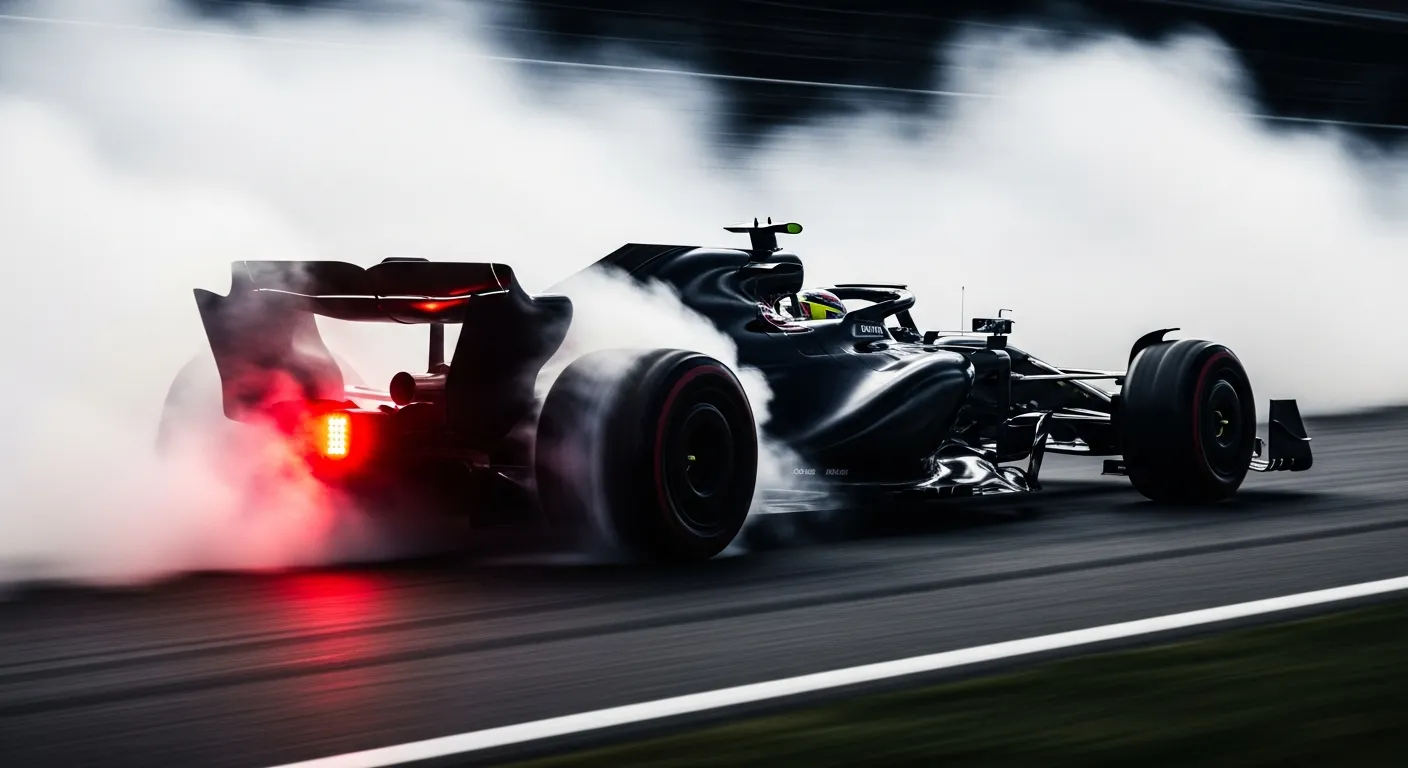
George Russell's participation in the 2023 Canadian Grand Prix at Circuit Gilles Villeneuve was cut short, culminating in a retirement on lap 53 due to a critical brake issue. Having qualified strongly in fourth position, Russell aimed to convert his Mercedes AMG F1 car's pace into a significant points haul. The initial phases of the race saw him battling within the top positions, demonstrating the W14's potential on a circuit known for its challenging chicanes and heavy braking zones, a characteristic often highlighted on the [official Formula 1 circuit guides](https://www.formula1.com/en/racing/circuits.html). His teammate, Lewis Hamilton, who started just ahead in third, managed to secure a podium finish, highlighting the car's underlying performance when reliability held. Russell's fastest lap, recorded on lap 44 with a time of 1:17.097, placed him 18th in the overall fastest lap standings, indicating a period where he was pushing the limits before the mechanical problem became insurmountable. The unexpected failure meant a premature end to his race, yielding zero championship points from a promising grid slot.
The DNF due to "Brakes" was a significant setback for Russell, who had been consistently scoring points throughout the 2023 season. This incident underscored the fine margins and technical complexities inherent in [Formula 1 — official site](https://www.formula1.com/en) racing, where even a strong qualifying effort can be undone by mechanical issues. While Russell was forced to retire, the race continued to unfold with intense competition, showcasing varying fortunes across the grid. Drivers like [Carlos Sainz at the 2026 São Paulo Grand Prix](/results/2026-interlagos-carlos-sainz) managed to climb from P11 to a fifth-place finish, demonstrating the potential for recovery drives. Similarly, [Alexander Albon at the 2026 São Paulo Grand Prix](/results/2026-interlagos-alex-albon) delivered an impressive performance, bringing his Williams home in seventh. The detailed analysis of such technical failures is paramount for teams like Mercedes AMG F1, not only for immediate rectification but also for long-term development, adhering to the stringent technical regulations overseen by the [FIA — F1 World Championship](https://www.fia.com/events/fia-formula-one-world-championship). Understanding the nuances of component stress and failure modes is a continuous process in the high-stakes environment of [Wikipedia: Formula One](https://en.wikipedia.org/wiki/Formula_One). The wealth of [Jolpica/Ergast — 2026 season data](https://api.jolpi.ca/ergast/f1/2026.json) provides a historical context for analyzing such events. The Canadian Grand Prix result meant Russell did not add to his points tally, impacting his standing in the drivers' championship. The incident serves as a reminder that reliability is as critical as raw pace, a lesson that applies across the grid, as many drivers, including [Esteban Ocon at the 2026 São Paulo Grand Prix](/results/2026-interlagos-esteban-ocon), can attest to in their careers. The [FIA's sporting regulations](https://www.fia.com/sports/formula-1-world-championship/regulations/sporting-regulations) further detail the protocols for such retirements and subsequent investigations. This race, despite its unfortunate outcome for Russell, still offered valuable data for Mercedes as they continued their development push in the 2023 season.
Verified race record · Ergast
Grid
P4
Finish
Brakes
Points
0
Laps
53
Constructor
Mercedes AMG F1
Status
Brakes
Teammate that weekend
Lewis Hamilton
Grid P3 · Finish P3 · 15 pts
Championship · before vs after
Before round 8
P565 pts
After round 8
P665 pts