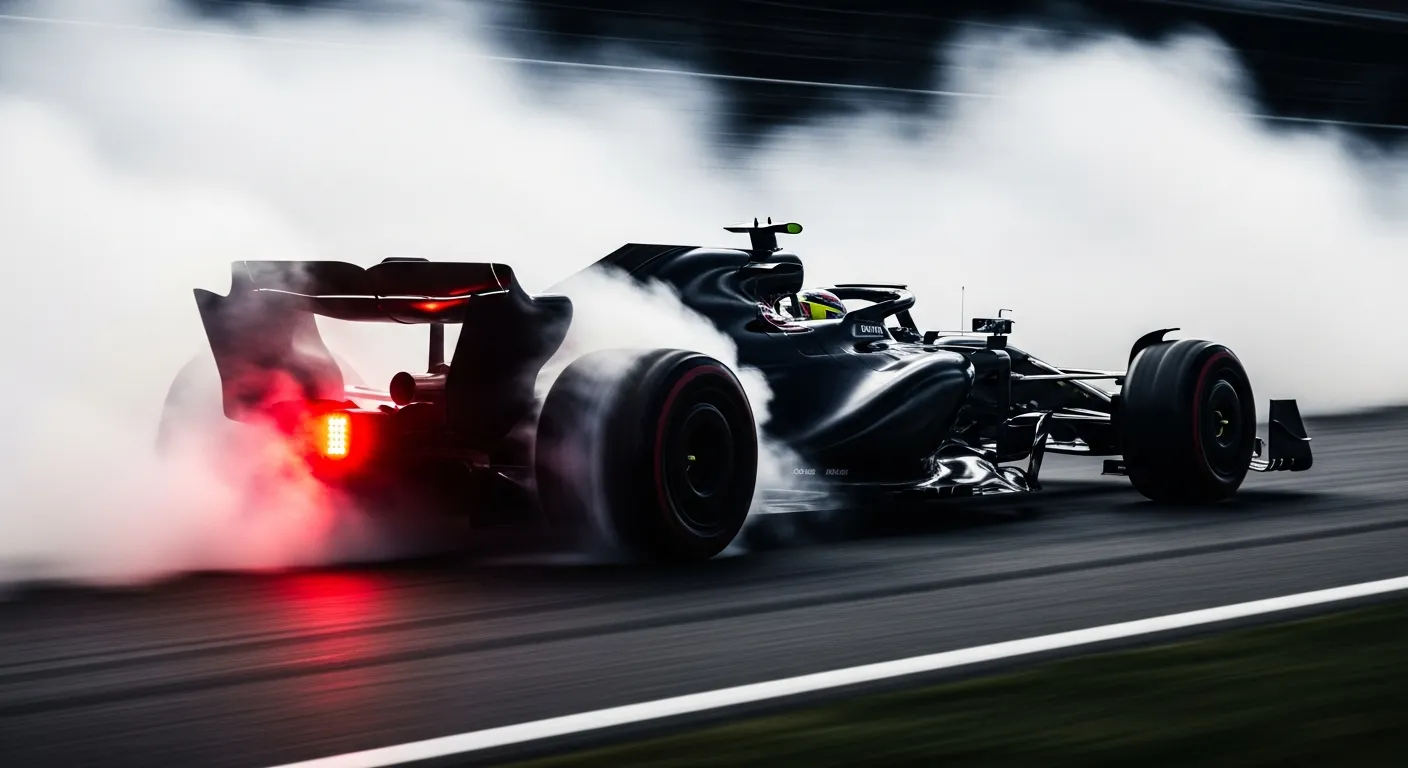
George Russell's drive at the 2024 Chinese Grand Prix was characterized by a strategic execution that saw him climb two positions from his P8 grid start to secure P6, navigating a race punctuated by multiple safety car periods. From the outset at the [Shanghai International Circuit](https://www.formula1.com/en/circuits/china.html), Russell aimed to optimize the W15's performance, a challenge Mercedes AMG F1 has been actively addressing throughout the early 2024 season. The initial laps were crucial for establishing track position, and Russell managed to hold his ground amidst the typically intense opening phase. His focus was on tire management and preserving the car's potential for later stints, a critical factor on the demanding Shanghai tarmac known for its long, sweeping corners that stress the compounds. The race's dynamic nature, with various incidents affecting the field, presented both risks and opportunities for strategic adjustments. Unlike his teammate [Lewis Hamilton at the 2016 Spanish Grand Prix](/results/2016-barcelona-lewis-hamilton) who faced an early collision, Russell's race was about steady progression and capitalizing on the evolving circumstances. The British driver completed all 56 laps, crossing the finish line with a total time of "1:41:31.278". His fastest lap, a 1:40.112 on lap 39, ranked 11th overall, indicating a sustained pace when conditions allowed. This consistent performance is vital for Mercedes as they seek to understand the nuances of their current package, a process often detailed in technical analyses available on the [Formula 1 — official site](https://www.formula1.com/en).
The mid-race phase saw the deployment of safety cars, notably triggered by incidents involving Daniel Ricciardo and Yuki Tsunoda, which reshaped the race order and offered Russell chances to improve his standing. Capitalizing on these moments, the Mercedes team executed pit stops that positioned Russell favorably against rivals, allowing him to gain track position and manage the gap to the cars ahead. Russell's ability to manage his tires through these varied stints, particularly after the second safety car restart, was key to holding off challenges from behind and maintaining his forward momentum. He ultimately secured 8 points, contributing to Mercedes AMG F1's constructors' tally, a result that underscores the team's ongoing effort to extract maximum performance from the W15. While not a podium finish, his P6 represented a solid gain from his P8 starting position, a testament to strategic race management and consistent driving under pressure. For context, drivers like [Carlos Sainz at the 2016 Monaco Grand Prix](/results/2016-monaco-carlos-sainz) have similarly demonstrated the importance of adapting to unpredictable race conditions to secure valuable points. The detailed lap data and race results for the 2024 season, including specific sector times and pit stop durations, are meticulously recorded and available through data archives such as [Jolpica/Ergast — 2026 season data](https://api.jolpi.ca/ergast/f1/2026.json), providing a comprehensive view of each driver's race trajectory. Understanding the historical context of Formula One, including how races have evolved with safety interventions, can be further explored on [Wikipedia: Formula One](https://en.wikipedia.org/wiki/Formula_One). Mercedes' ongoing development efforts, often highlighted in team news on the [Formula 1 — official site](https://www.formula1.com/en), underscore the constant pursuit of performance gains. This result for Russell provided valuable data for the team's technical analysis, helping inform future upgrades and their overall strategy for the [F1 World Championship](https://www.fia.com/events/fia-formula-one-world-championship). For a broader perspective on the competitive landscape, one might look at how drivers like [Max Verstappen at the 2016 Spanish Grand Prix](/results/2016-barcelona-max-verstappen) adapted to changing race dynamics in their formative years.
Verified race record · Ergast
Grid
P8
Finish
P6
Points
8
Laps
56
Constructor
Mercedes AMG F1
Status
Finished
Teammate that weekend
Lewis Hamilton
Grid P18 · Finish P9 · 2 pts
Championship · before vs after
Before round 5
P724 pts
After round 5
P733 pts