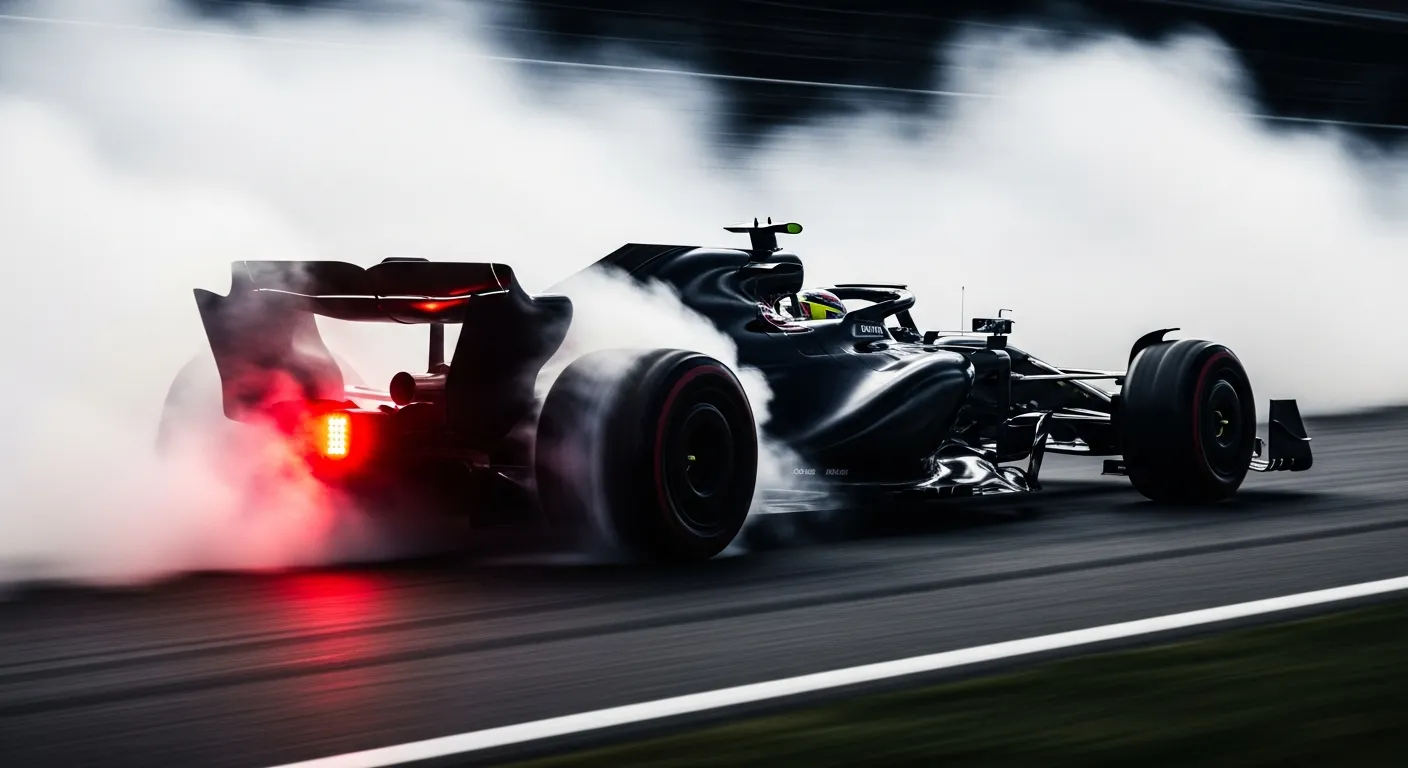
Yuki Tsunoda's 2025 Canadian Grand Prix campaign for Red Bull Racing was characterized by a determined drive from the back of the grid, ultimately concluding 12th after starting 18th. The Japanese driver faced an immediate and significant challenge at the Circuit Gilles Villeneuve, having qualified towards the rear of the field. Despite this grid disadvantage, Tsunoda demonstrated consistent race pace throughout the 69 laps he completed, managing to gain six positions by the checkered flag. This upward trajectory from P18 to P12 underscores a strategic and disciplined approach to race management, particularly on a circuit that often punishes even minor errors. While his Red Bull teammate Max Verstappen secured a strong podium finish in second place, Tsunoda's efforts were primarily focused on navigating the highly competitive mid-field. This segment of the grid saw intense battles, with drivers like [Carlos Sainz at the 2026 United States Grand Prix](/results/2026-cota-carlos-sainz) and [Nico Hülkenberg at the 2026 United States Grand Prix](/results/2026-cota-nico-hulkenberg) also pushing for every available position, highlighting the tight margins that define performance outside the absolute front runners. The strategic decisions made by the Red Bull pit wall were crucial in enabling Tsunoda to make these overtakes and maintain track position, showcasing the intricate balance between driver skill, car setup, and team execution required in modern [Formula 1 — official site](https://www.formula1.com/en) racing.
The race saw Tsunoda complete 69 laps, one lap down from the race winner, George Russell. His fastest lap of 1:15.358, recorded on lap 60, placed him 13th among all drivers for that metric. This late-race burst of pace indicates that the Red Bull package, even in Tsunoda's hands, possessed the capability to deliver competitive lap times when conditions allowed. However, despite this strong individual lap, it wasn't enough to break into the points-scoring positions, leaving him with zero points from this round. The Circuit Gilles Villeneuve is renowned for its unique blend of demanding chicanes, high-speed straights, and proximity to walls, often leading to varied race strategies and intense on-track action. These factors certainly influenced Tsunoda's ability to maximize his package from a challenging starting position. Analyzing the broader trends in [F1 season data](https://api.jolpi.ca/ergast/f1/2026.json) from various circuits reveals the consistent struggle for midfield teams to convert strong individual performances into championship points. For drivers like Tsunoda, every position gained is a testament to their race craft and adaptability, much like the challenges faced by [Oliver Bearman at the 2026 United States Grand Prix](/results/2026-cota-oliver-bearman) in his own campaigns, where extracting maximum performance from the car under pressure is paramount. The comprehensive nature of a Grand Prix weekend, from initial practice sessions to the final lap, is extensively documented by resources such as [Wikipedia: Formula One](https://en.wikipedia.org/wiki/Formula_One), providing a detailed overview of the sport's technical and sporting regulations.
Verified race record · Ergast
Grid
P18
Finish
P12
Points
0
Laps
69
Constructor
Red Bull Racing
Status
+1 Lap
Teammate that weekend
Max Verstappen
Grid P2 · Finish P2 · 18 pts
Championship · before vs after
Before round 10
P1510 pts
After round 10
P1510 pts