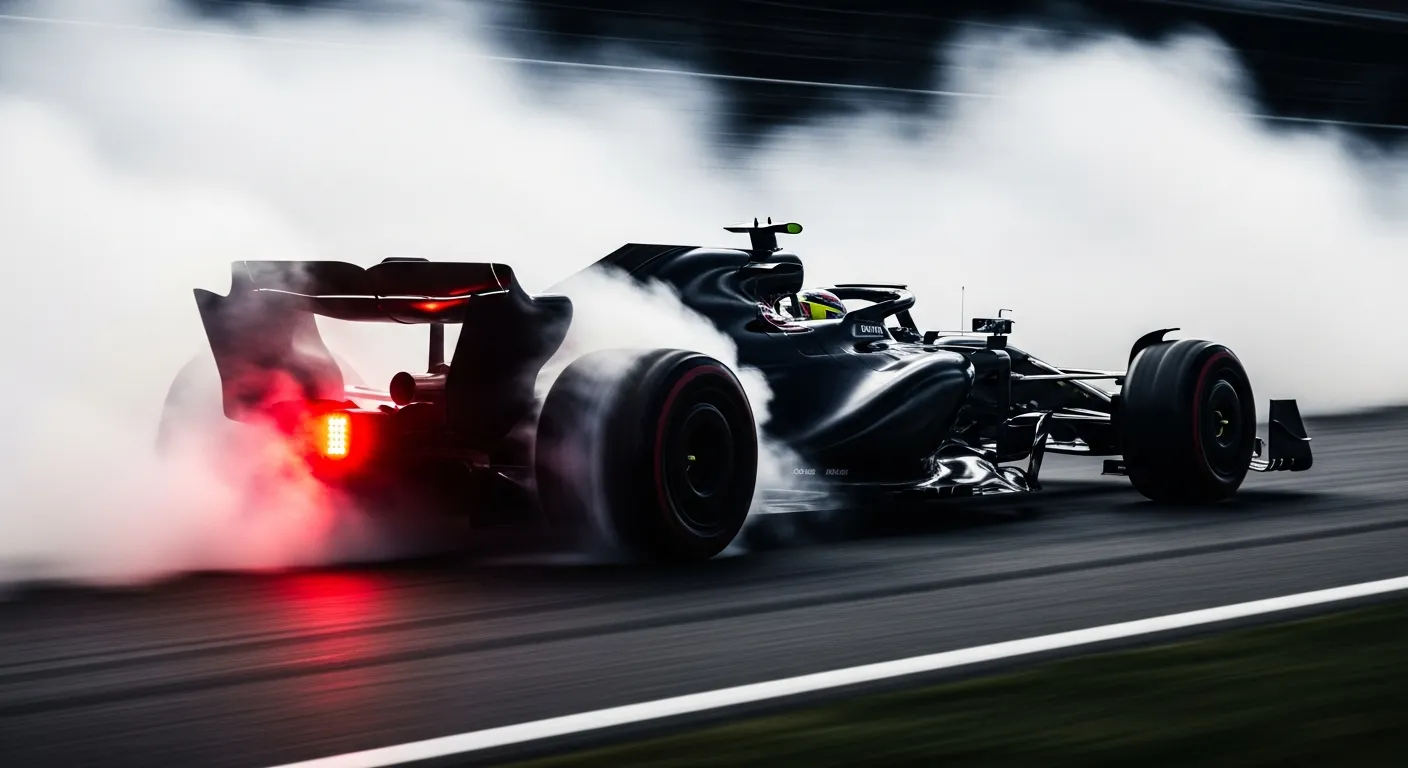
Gabriel Bortoleto's performance at the 2026 Japanese Grand Prix on March 29th at Suzuka Circuit saw the Audi driver convert a P9 grid slot into a P13 finish, completing all 53 laps. Starting from the fifth row, Bortoleto aimed to capitalize on his strong qualifying position, but the race unfolded into a challenging midfield battle. He maintained a consistent presence within the pack, navigating the demanding high-speed sections and technical corners of Suzuka with a total race time of 1:29:02.481. His best lap time of 1:34.164, recorded on lap 40, placed him 12th fastest in the field for that metric, indicating moments of strong individual pace within the Audi C-spec chassis. Despite completing the full race distance, the Brazilian driver was unable to break into the points-scoring positions, finishing outside the top ten. This outcome underscores the tight competition in the 2026 season, where even a solid drive from a respectable grid position doesn't guarantee championship points. The strategic nuances of racing at Suzuka, a circuit known for its unforgiving nature and high-commitment corners, often dictate varied outcomes, as seen across the [Formula 1 — official site](https://www.formula1.com/en) race reports.
The race narrative for Bortoleto involved managing tire degradation and executing strategic calls, a common challenge at a circuit like Suzuka. His teammate, Nico Hülkenberg, starting four positions behind him in P13, managed to climb to P11, demonstrating Audi's potential for upward mobility in race trim. Hülkenberg's fastest lap of 1:33.732 on lap 47 was quicker than Bortoleto's, suggesting a slight edge in race pace or a different strategic window that allowed for a late push. This comparison highlights the internal team dynamic and the constant push for performance optimization, a process often analyzed using comprehensive [Jolpica/Ergast — 2026 season data](https://api.jolpi.ca/ergast/f1/2026.json). While Bortoleto finished behind his teammate, his consistent run to the flag, completing every lap, is a foundational element for a developing driver. Examining how other competitors, such as [Carlos Sainz at the 2019 Emilia Romagna Grand Prix](/results/2019-imola-carlos-sainz) or [Alexander Albon at the 2019 Emilia Romagna Grand Prix](/results/2019-imola-alex-albon), have navigated similar midfield scenarios in the past provides valuable context for understanding the intricacies of an F1 race weekend. The broader context of Formula One, as outlined on [Wikipedia: Formula One](https://en.wikipedia.org/wiki/Formula_One), emphasizes that consistent finishes, even outside the points, contribute significantly to a driver's and team's understanding of the car's capabilities and long-term development.
Verified race record · Ergast
Grid
P9
Finish
P13
Points
0
Laps
53
Constructor
Audi
Status
Finished
Teammate that weekend
Nico Hülkenberg
Grid P13 · Finish P11 · 0 pts
Championship · before vs after
Before round 3
P142 pts
After round 3
P132 pts