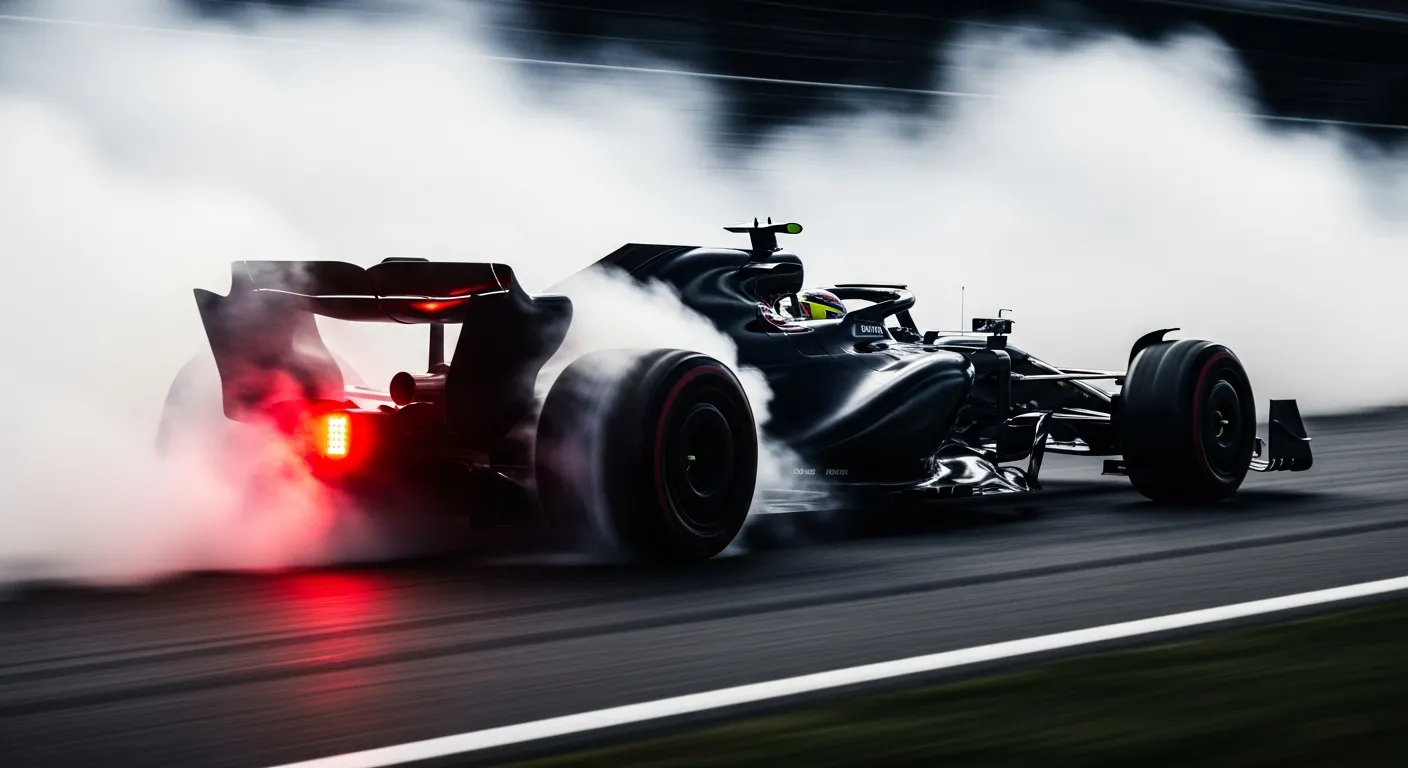
Williams Racing's history at the Belgian Grand Prix is marked by periods of significant success, including three wins, particularly when their chassis designs aligned with the demands of Spa-Francorchamps' high-speed layout. From their 40 starts at this permanent circuit, the Grove-based team has secured 12 podium finishes, a testament to their capability on tracks that reward aerodynamic efficiency and outright power. The team's victories in 1986, 1993, and 1994 stand out, with drivers like Nigel Mansell and Damon Hill demonstrating the car's potential on this challenging, flowing circuit.
The unique characteristics of Spa-Francorchamps, with its iconic Eau Rouge-Raidillon complex and the lengthy Kemmel Straight, place a premium on a car's straight-line speed and overall power unit performance. Williams, powered by Mercedes, often designs its cars with an emphasis on low-drag aerodynamics, which can be a significant advantage here. This philosophy can be seen in their more recent strong performances, such as George Russell's remarkable second-place finish in the rain-affected 2021 race, a result that underscored the car's potential when conditions amplified the importance of driver skill and strategic choices. This contrasts with some of their more challenging outings, where a less balanced package struggled to find the necessary mechanical grip for the circuit's technical sections, much like how other teams might struggle at high-downforce tracks such as Haas at the Qatar Grand Prix.
Historically, Williams has often found a competitive edge at circuits that feature a blend of high-speed sections and technical corners, a trait shared with tracks like Suzuka, where the team has also seen success, as explored in Williams at the Japanese Grand Prix. The Belgian Grand Prix demands a careful compromise between downforce for the fast corners and minimal drag for the long straights. Achieving this balance is crucial, and when Williams has managed it, their cars have been formidable. The FIA's technical regulations, which evolve annually, always present a new challenge for teams aiming to optimize their package for such specific demands, a process detailed on the FIA — F1 World Championship official site.
While the team's dominant years are now part of F1's rich history, their capacity to surprise, particularly in qualifying, remains. The data from Jolpica/Ergast — 2026 season data provides a detailed look into historical performance trends, showing how different eras of Williams cars have fared. The current iteration of Williams Racing, under Team Principal James Vowles, continues to seek improvements across the board. Their performance at Spa-Francorchamps often serves as a good barometer for the overall efficiency and speed of their package, especially compared to circuits with different demands like Williams at the Australian Grand Prix. The challenge for Williams is to consistently extract performance across the entire 7.004 km lap, not just in the high-speed sectors, to convert their raw pace into consistent points finishes.