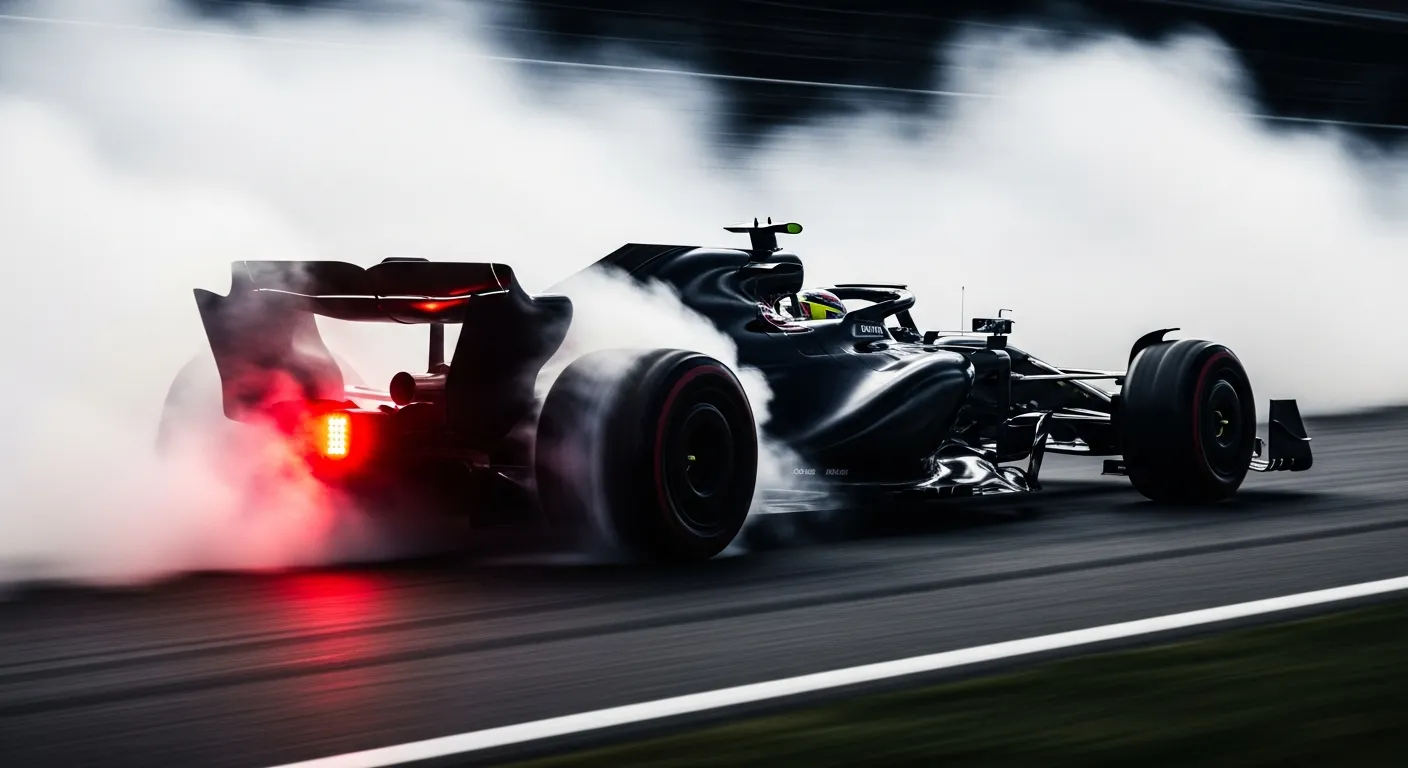
The "pit window" in Formula 1 refers to the crucial strategic period during a race when a team can make a mandatory pit stop for new tires without losing significant track position to competitors. This isn't just any moment a car enters the Pit Lane; it's a carefully calculated interval, determined by a complex interplay of factors that can make or break a driver's race.
Understanding the Calculation
At its core, the pit window is a projection. Race strategists, often operating from the Pit Wall and back at the factory, continuously monitor a vast array of data. Key inputs include tire degradation rates for each compound supplied by Pirelli, the fuel load remaining, the lap times of competitors, and the time it takes to complete a pit stop. The FIA Formula One regulations mandate that drivers use at least two different dry tire compounds during a dry race, making pit stops a strategic necessity rather than an option. The pit window opens when a driver's current tires begin to lose optimal performance, and the time loss from pitting and rejoining the track is projected to be less than the time lost by staying out on worn tires. Conversely, the window closes when delaying the stop further would put the driver at a significant disadvantage, often dropping them into heavy traffic or allowing rivals to execute an "undercut" by pitting earlier and gaining pace on fresh rubber.
Strategic Implications and Race Dynamics
The timing of a pit stop within this window is paramount. A perfectly executed stop can enable an "undercut," where a driver pits slightly earlier than a rival, uses the fresh tires to put in fast laps, and emerges ahead when the rival eventually pits. Conversely, an "overcut" can occur, particularly on circuits where tire degradation is low or the pit loss time is high, allowing a driver to stay out longer on older tires, build a sufficient gap, and then pit without losing position.
Consider the strategic battles on a high-speed Permanent Circuit like Silverstone or Spa, where small time differences are amplified. Teams will use predictive models to simulate various scenarios, constantly adjusting their strategy based on real-time track conditions, such as unexpected rain or a Safety Car deployment. A Safety Car or Virtual Safety Car (VSC) period is often referred to as a "cheap pit stop" opportunity because the field bunches up and cars drive at reduced speeds, minimizing the time lost in the pit lane relative to racing conditions. This can dramatically shift the pit window, offering teams a chance to pit without losing as many positions, sometimes even allowing them to gain an advantage over competitors who choose to stay out.
For viewers, understanding the pit window adds another layer to appreciating F1 strategy. It's more than just a car entering the pits; it's a calculated gamble, a moment of high-stakes decision-making that can define a driver's race. As the Wikipedia glossary entry explains, it's a critical concept for comprehending race flow. Missing the optimal window can mean rejoining the track behind a slower car, effectively ruining a driver's race pace and strategic options for many laps.
Common questions
- Why is it called a "window"?
- It's a "window" because it represents an optimal, finite period of time. Pitting too early might mean tire degradation is not yet critical, while pitting too late could lead to excessive time loss on worn tires or rejoining in heavy traffic.
- Do all cars have the same pit window?
- No, not necessarily. Each car's pit window is unique, influenced by its specific tire wear, fuel load, track position, and the performance of its direct rivals. Team strategists calculate it individually for each driver.
- What happens if a team misses the pit window?
- Missing the optimal pit window can be detrimental. It often means a driver will lose more time on track due to worn tires, or emerge from the pit lane into heavy traffic, making it difficult to regain track position and compromising their race strategy.