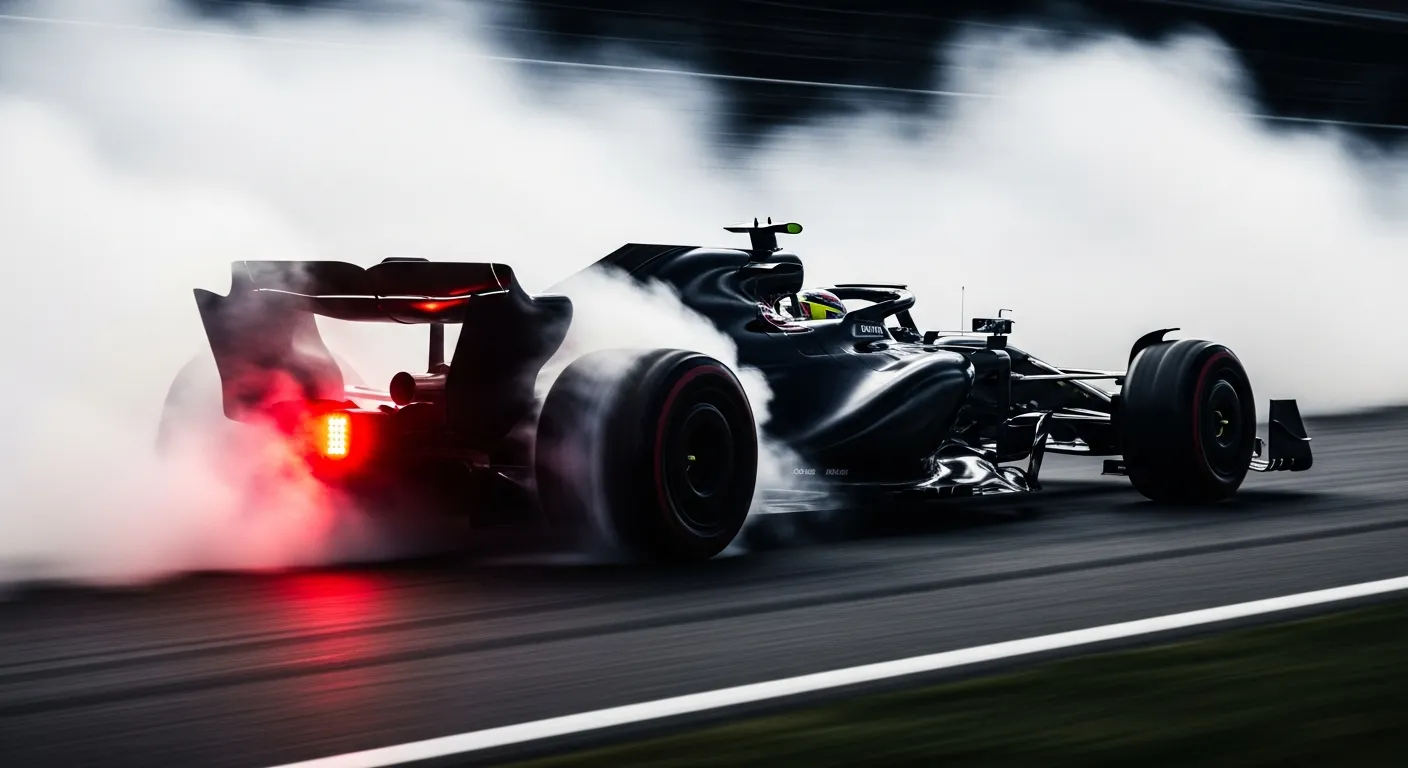
A pit stop is a precisely choreographed pause during a Formula 1 race where a car enters its designated pit box for essential services, most commonly tire changes. This seemingly brief moment, often lasting under three seconds, is a critical strategic element that can dramatically influence a race's outcome, requiring flawless execution from a team of around 20 mechanics.
The Anatomy of a Pit Stop
When a driver pulls into their pit box, the pit crew springs into action. Each wheel has three mechanics: one to operate the wheel gun, one to remove the old tire, and one to fit the new one. Additional crew members stabilize the car with front and rear jacks, clean aerodynamic elements, and guide the driver in and out of the box. The speed is staggering; record-breaking stops have dipped below two seconds, with Red Bull Racing famously achieving a 1.82-second stop at the 2019 Brazilian Grand Prix. These rapid exchanges are governed by strict FIA Formula One regulations that ensure safety and fair play, detailing everything from pit lane speed limits to the equipment used.
Strategic Importance and Race Impact
Pit stops are not merely about changing worn tires; they are central to a team's race strategy. Tire degradation, track conditions, and competitor strategies all dictate when a stop is made. Teams must use at least two different dry tire compounds (soft, medium, hard) during a race, as supplied by Pirelli, making at least one pit stop mandatory in most dry races. A well-timed pit stop can enable an "undercut" – where a car pits early for fresh tires, gains pace, and overtakes a rival who stays out longer. Conversely, a slow stop or an "unsafe release" – where a car is released into the path of another, potentially incurring Penalty Points – can cost valuable track position and ruin a driver's race.
Safety Car periods, including the Virtual Safety Car, often present a strategic window for pit stops, as the reduction in track speed minimizes the time lost relative to rivals. Similarly, a Red Flag stoppage allows teams to change tires without any time penalty, effectively a free pit stop, which can completely reset race strategies. These moments add layers of complexity, requiring quick decisions from strategists on the pit wall.
Common Viewer Confusion
Newer fans sometimes wonder why teams don't pit more often for fresh tires. The answer lies in the time lost entering and exiting the pit lane, plus the actual stop duration, which typically amounts to around 20-25 seconds of total race time. This time penalty means that while fresh tires offer speed, the cumulative time loss from too many stops usually outweighs the benefit. Understanding the interplay between tire wear, track position, and the strategic timing of these lightning-fast operations is key to appreciating the tactical depth of Formula 1, as detailed in the pit stop — Wikipedia glossary entry.
Common questions
- How many tires are changed during a pit stop?
- During a standard Formula 1 pit stop, all four tires are replaced simultaneously by the dedicated pit crew members.
- Is there a mandatory number of pit stops in F1?
- In most dry races, teams are required to use at least two different dry tire compounds, which necessitates a minimum of one pit stop.
- What is an 'unsafe release'?
- An unsafe release occurs when a car is released from its pit box directly into the path of another car in the pit lane, often resulting in a penalty.