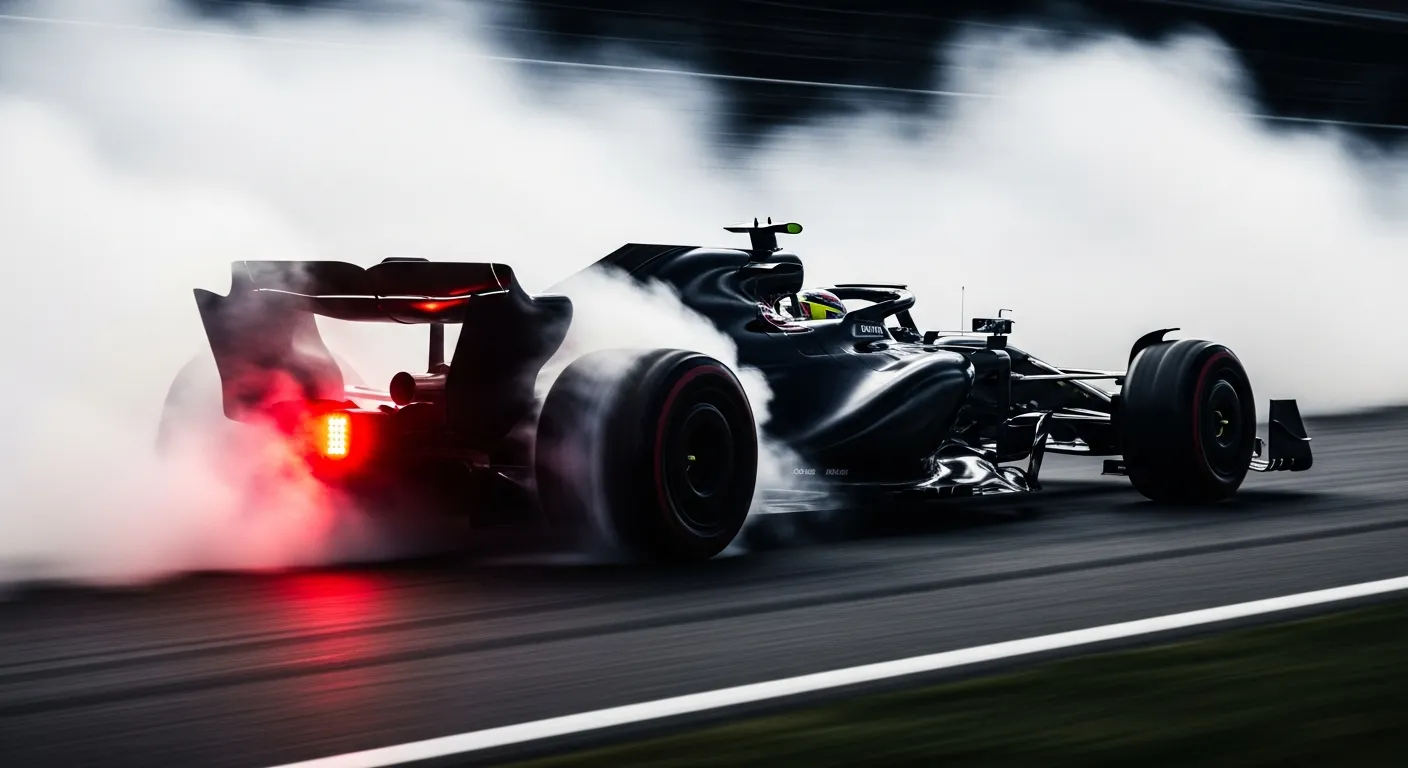
Track limits are the precisely defined edges of the racing surface that Formula 1 drivers must adhere to, preventing them from gaining an unfair advantage by running wide or cutting corners. Governed by the FIA Formula One regulations, these boundaries are typically marked by white lines at the edge of the tarmac, often complemented by kerbs. The fundamental principle, as outlined in the track limits — Wikipedia glossary entry, is that a car is considered to have exceeded track limits if "no part of the tyre is in contact with the white line or the kerb." This rule is crucial for maintaining fairness, preserving the integrity of the racing line, and ensuring drivers tackle corners as intended, rather than exploiting engineered run-off areas for speed.
Enforcement and Penalties
The enforcement of track limits becomes particularly stringent during qualifying and the race itself. In qualifying sessions, exceeding track limits in certain designated corners almost invariably leads to the deletion of that specific lap time, forcing drivers to attempt another clean lap. This immediate consequence can dramatically impact starting positions. During a race, repeated infringements typically result in time penalties, ranging from a five-second penalty for a third offense to more severe sanctions for continued breaches. Race control monitors these incidents closely, often issuing warnings before applying a Grid Penalty or even Penalty Points if the issue persists across multiple events. The cumulative effect of these penalties can significantly alter race outcomes, sometimes even leading to a driver dropping out of the points. The strict application of these rules is part of the broader regulatory framework, much like how specific infractions might lead to a Black Flag for severe breaches, though track limits usually fall under less extreme sanctions.
Common Controversies and Detection
The Austrian Grand Prix at the Red Bull Ring has become synonymous with track limits controversies in recent seasons. Its high-speed corners and generous asphalt run-off areas tempt drivers to push the boundaries, leading to hundreds of reported infringements over a single race weekend. The 2023 Austrian GP, for instance, saw over 1,200 potential track limit violations investigated, resulting in numerous post-race time penalties that reshuffled the final standings. Similarly, the Qatar Grand Prix has also seen its share of debates, particularly regarding the final corners where drivers might gain a critical tenth of a second by running wide.
The sheer volume of incidents, coupled with the varying enforcement at different corners and circuits, often causes viewer confusion. What appears to be a clear infringement in one corner might be deemed acceptable elsewhere, depending on the specific sporting director's notes for that event. Technology plays a crucial role in detection, with timing loops embedded in the track, sophisticated camera systems, and even AI-assisted monitoring providing data to stewards. However, the sheer speed and dynamic nature of F1 racing mean that definitive calls can still be challenging. Repeatedly running wide can also impact tire degradation, a critical factor managed by suppliers like Pirelli, even if not immediately penalized, adding another layer of strategic consideration for teams. The ongoing challenge for the FIA is to balance consistent enforcement with the spectacle of close racing, a task that often sparks debate among fans and teams alike.
Common questions
- Why are track limits enforced?
- They ensure fair competition by preventing drivers from gaining an unfair advantage, maintaining the intended racing line, and promoting consistent driving standards across all competitors.
- How are track limits detected?
- Detection relies on a combination of technologies including timing loops embedded in the track, sophisticated high-speed camera systems, and human observation by race stewards.
- Is exceeding track limits always penalized?
- Not always immediately. While lap times can be deleted in qualifying, race infringements often lead to warnings first, with time penalties applied for repeated offenses in designated corners.