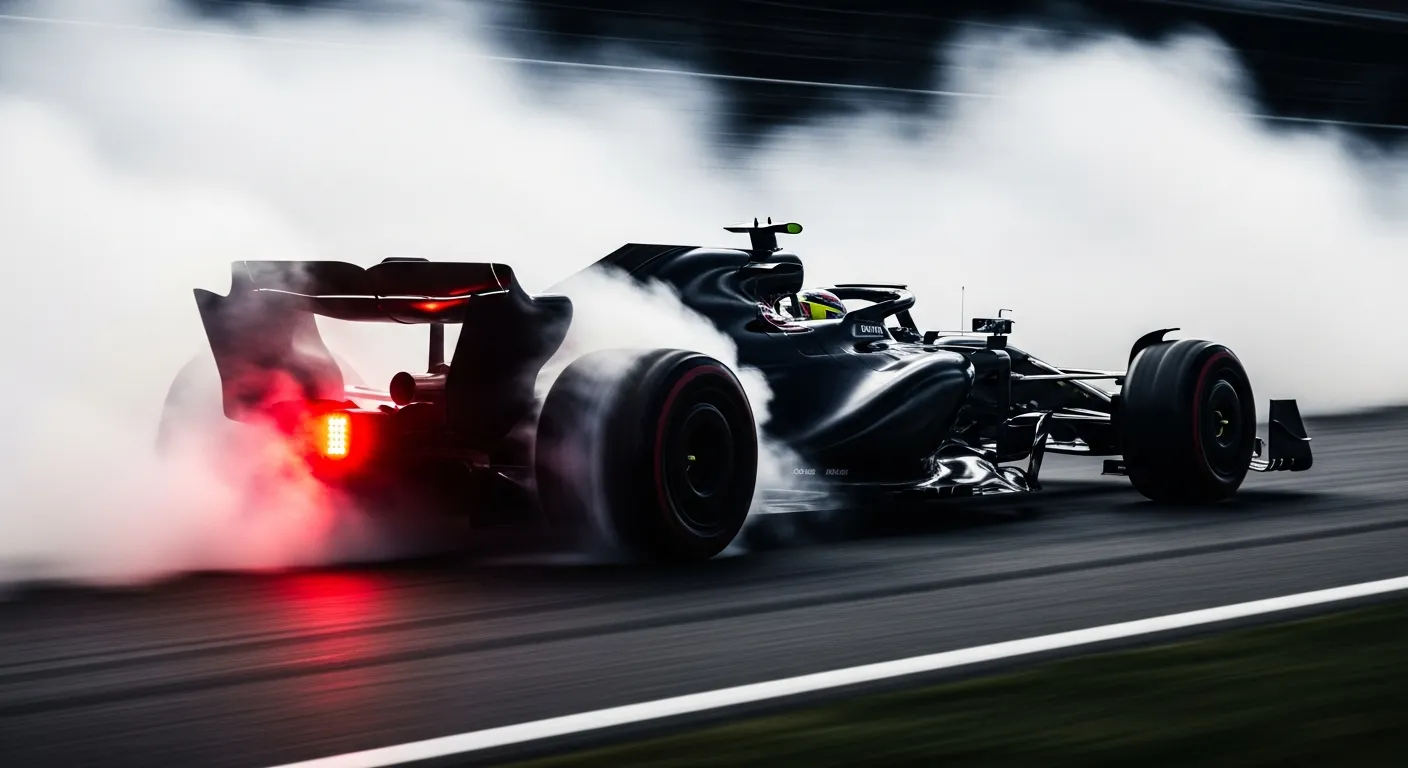
A lap time in Formula 1 is the fundamental metric quantifying a car's performance over a single circuit, representing the elapsed duration from when a car crosses the start/finish line until it crosses it again. This seemingly simple measurement underpins virtually every aspect of a Grand Prix weekend, from qualifying to race strategy, providing an immediate gauge of a car's speed and efficiency.
The Essence of Speed
At its core, a lap time is the precise duration a driver takes to complete one full revolution of the track. This measurement is meticulously recorded using transponders fitted to each car, which trigger timing loops embedded in the circuit, most notably at the start/finish line. Modern F1 also breaks down each lap into several "sectors," typically three, allowing teams and fans to analyze performance across different parts of the track. These sector times, along with micro-sector data, provide granular insights into where a car is gaining or losing time, crucial information for engineers monitoring Telemetry data. This detailed breakdown helps teams fine-tune car setups and driver lines, constantly searching for those elusive milliseconds.
Lap Times in Competition
The significance of lap times varies across a Grand Prix weekend. In qualifying, lap times are paramount. Drivers compete to set the fastest possible single lap, as their best efforts determine their starting position for the main race. The difference between pole position and a mid-grid start can often be mere hundredths or thousandths of a second, highlighting the extreme precision required. The official FIA Formula One regulations detail how these times are recorded and used to establish the grid, ensuring fair competition.
During the race, lap times shift from pure speed to strategic consistency. While outright pace is still vital, drivers must manage their tires, fuel, and engine to maintain competitive lap times over many laps. A consistent string of fast laps can enable an "undercut" in the pits, where a driver pits earlier and uses fresh tires to gain track position on a rival. Conversely, a sudden drop in lap times often signals tire degradation or damage, prompting a pit stop. Teams constantly monitor the Delta between their driver's current lap and their target pace, or the pace of competitors, to make critical strategic calls that can define a race outcome.
Factors Influencing Lap Times
Numerous variables conspire to influence a car's lap time. Tire compounds, supplied by Pirelli, play a critical role; softer compounds offer more grip and faster lap times but degrade quicker, while harder compounds are durable but slower. Track conditions, such as ambient and track temperature, grip levels, and even wind direction, can significantly alter performance. A slight change in temperature can affect tire performance and engine output, leading to noticeable fluctuations in lap times throughout a session or race.
Furthermore, driver skill, car setup, and even aerodynamic efficiency are constantly being optimized to shave off milliseconds. A driver's ability to consistently hit apexes and manage tire wear directly translates into more competitive lap times. For instance, in a close championship battle, the single point awarded for the fastest lap of the race (provided the driver finishes in the top 10) can be a crucial differentiator, as seen in various seasons where championship outcomes were decided by the slimmest margins. Understanding the intricate dance between these factors is key to appreciating the complexity and excitement of Formula 1. The comprehensive lap time — Wikipedia glossary entry offers further context on its broader motorsport application.
Common questions
- What is the fastest lap point?
- In a Grand Prix, an extra point is awarded to the driver who sets the fastest single lap during the race, provided they finish within the top ten positions. This incentivizes drivers to push for ultimate pace even if they are not leading, adding a strategic element to the latter stages of a race.
- How are lap times measured?
- Lap times are measured with extreme precision using transponders installed on each F1 car. These transponders interact with timing loops embedded in the track surface, particularly at the start/finish line and at various sector points, sending data to race control. This system allows for accurate recording down to thousandths of a second.
- Why do lap times vary so much during a race?
- Lap times fluctuate significantly due to several factors: tire degradation, fuel load reduction, changing track conditions (temperature, rubbering-in), and strategic choices like managing pace or pushing for an undercut. As tires wear and fuel burns off, cars become lighter and potentially faster, but worn tires can also slow them down.