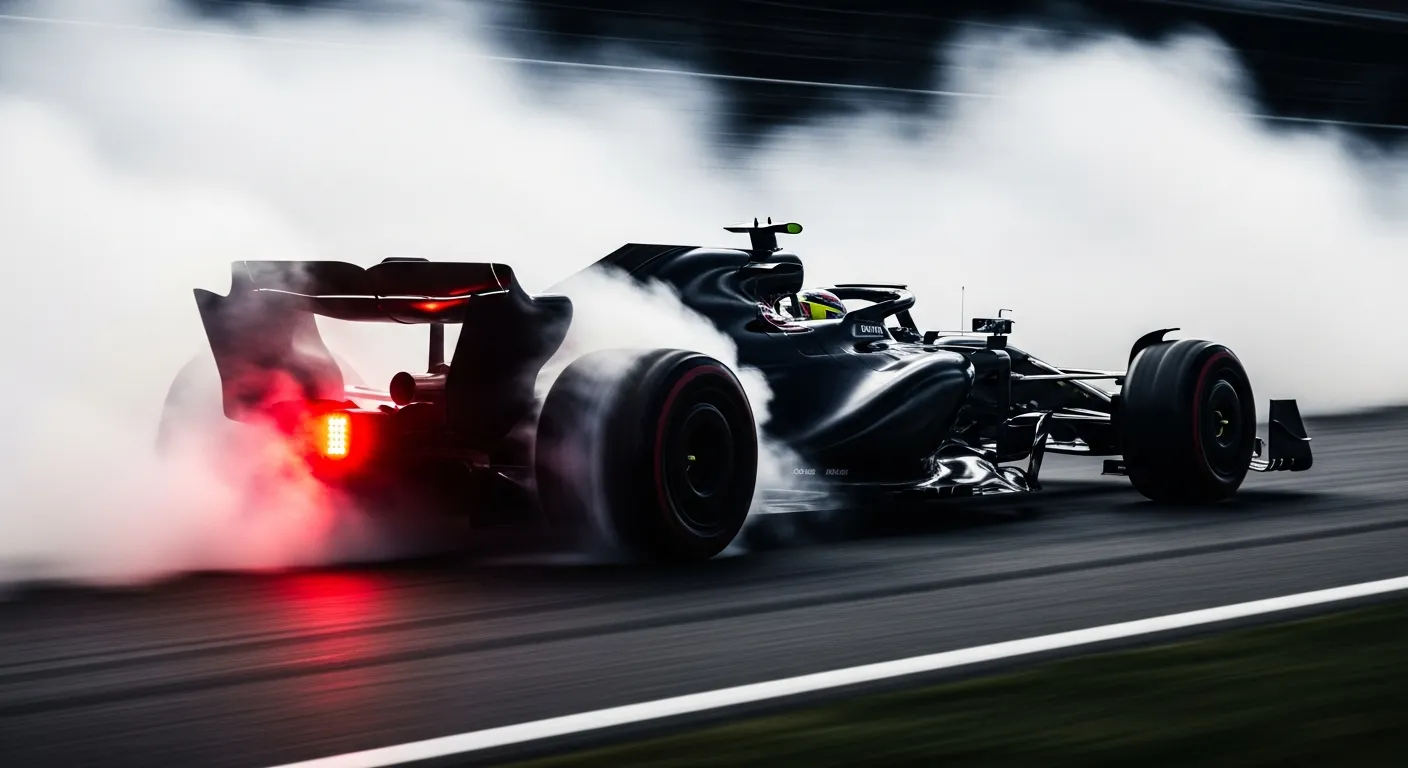
Kerbs are the distinctive, often brightly painted, raised sections found at the apex and exit of corners on every Formula 1 circuit, acting as crucial elements in defining the racing line and track boundaries. These engineered features are far more than mere decorative strips; they are integral to a driver's strategy, car setup, and even the enforcement of sporting regulations.
The Purpose and Design of Kerbs
Fundamentally, kerbs serve to delineate the racing surface from run-off areas, guiding drivers and preventing them from gaining an unfair advantage by running too wide or cutting corners too aggressively. Their design varies significantly from track to track, and even within different sections of the same circuit. Some kerbs are relatively flat and inviting, allowing drivers to "ride" them to straighten a corner and carry more speed, while others are aggressive, often pyramid-shaped or serrated, designed to punish drivers who venture too far over them. The FIA Formula One regulations specify general guidelines for track design, including kerbs, though specific implementations are unique to each venue. For a broader understanding of motorsport terminology, the kerb — Wikipedia glossary entry offers additional context.
Impact on Performance and Car Integrity
Drivers constantly balance the desire to use kerbs to optimize their line and the risk of damaging their cars or losing control. Riding a kerb effectively can shave tenths off a lap time, but doing so too aggressively can lead to significant issues. The constant pounding over harsh kerbs can stress suspension components, damage the car's floor, or even cause punctures, especially when combined with the extreme forces exerted on Pirelli tires. We've seen numerous instances, particularly at circuits like the Red Bull Ring in Austria, where aggressive kerbs have led to suspension failures or floor damage, forcing drivers to retire or significantly compromising their race pace. The data gathered from telemetry often shows the precise forces exerted on the car when interacting with these trackside features.
Kerbs and Track Limits
One of the most frequent points of contention and confusion for viewers revolves around kerbs and track limits. While kerbs define the edge of the track, the precise definition of "track limits" often extends beyond the kerb itself, typically requiring at least one part of the car to remain in contact with the white line or the kerb. Breaching these limits, often monitored by race control and enforced by the Stewards, can result in deleted lap times during qualifying or time penalties during the race. The interpretation and enforcement of track limits, particularly concerning kerb usage, remain a recurring topic of discussion and debate within the F1 paddock and among fans alike.
Common questions
- What's the difference between a kerb and track limits?
- A kerb is a physical raised section at the track's edge. Track limits are the defined boundaries of the racing surface, typically marked by white lines, which drivers must not fully exceed. While kerbs are part of the track's edge, track limits often refer to the white line, and drivers may be allowed to use part of the kerb without breaching limits.
- Are kerbs always the same design?
- No, kerbs vary significantly in design and aggressiveness across different circuits and even within the same track. Some are flat and designed to be ridden, while others are high and serrated to deter drivers from going wide, risking damage or loss of control.