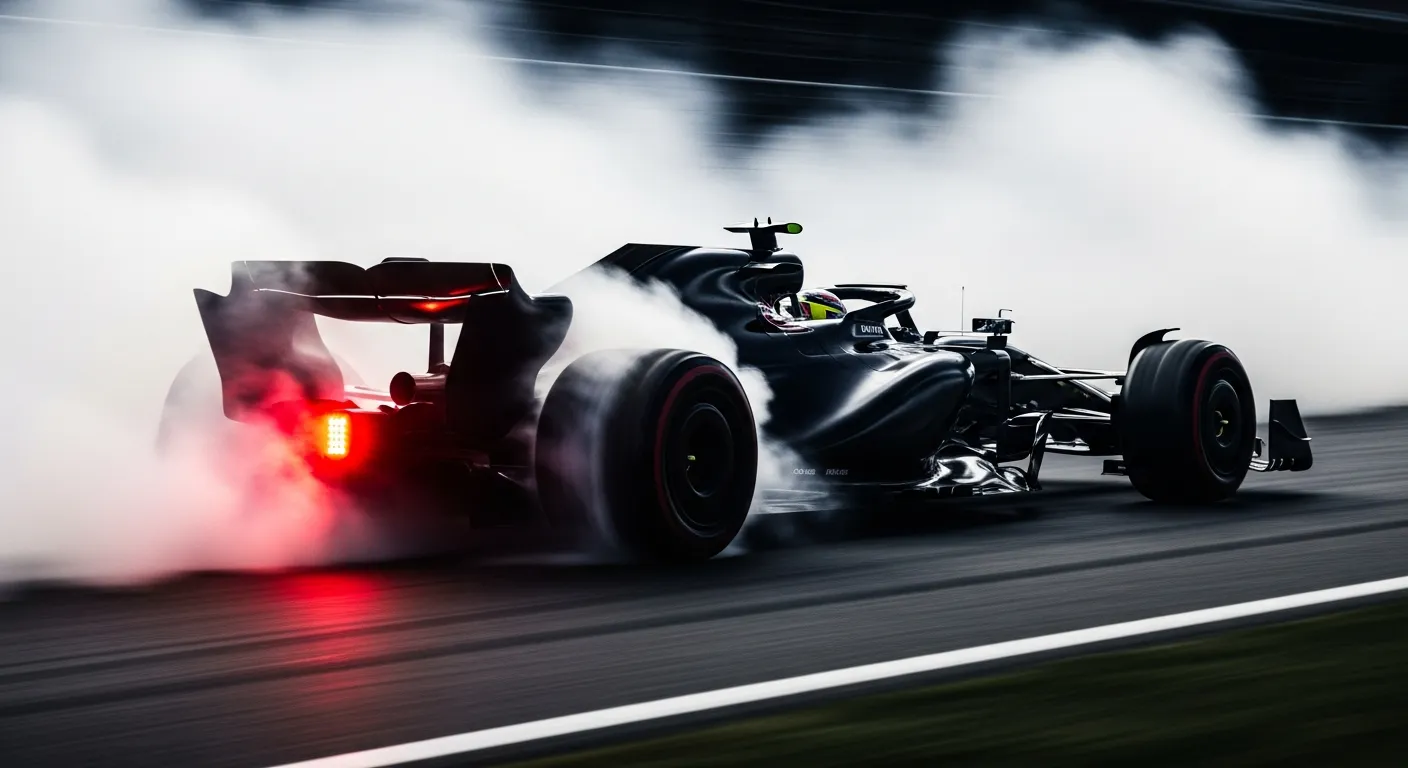
The 2020 Chinese Grand Prix at the Shanghai International Circuit stands as a unique entry in Formula 1's history, not for the spectacle it delivered, but for the profound implications of its absence. This event, initially postponed and then outright cancelled, underscored the unprecedented global challenges that reshaped the entire 2020 season, forcing the sport to adapt in ways previously unimaginable.
The Unprecedented Cancellation
Originally slated for April 19, 2020, the Chinese Grand Prix was among the first major international sporting events to face direct impact from the escalating global health crisis. The decision to postpone, announced in February 2020, was a direct response to the developing situation in China, a move that quickly became a precursor for a cascade of similar cancellations and postponements across the sporting world. The FIA, in conjunction with Formula 1 management, made the difficult but necessary call to prioritize public health and safety, a stark reminder of the sport's global interconnectedness. This was a stark contrast to typical race preparations, such as those leading up to the 2014 Spanish Grand Prix, where the focus was purely on on-track performance and strategy.
Reshaping the 2020 Calendar
The cancellation of a marquee event like the Chinese Grand Prix set a precedent for a season that would ultimately see a dramatically revised calendar. While some races, like the 2014 Canadian Grand Prix, consistently feature on the schedule, 2020 demanded flexibility. Formula 1 pivoted, introducing 'new' circuits or returning to venues not seen in decades, all under stringent health protocols. This agile response allowed the championship to proceed, albeit in a condensed and geographically constrained format. The absence of Shanghai meant a significant reduction in planned races, challenging teams to manage resources and development cycles differently for a shorter, more intense campaign. For a comprehensive overview of the season's adjustments, the official Formula 1 site provides detailed historical context.
Strategic Implications of a Lost Race
For teams and drivers, the cancellation meant one less opportunity to score championship points. In a normal season, a race like the Chinese Grand Prix offers 25 points for a victory, a significant haul that can influence championship trajectories. The loss of these potential points meant that every subsequent race carried increased weight. Teams had to recalibrate their season-long development plans, knowing fewer opportunities existed to introduce upgrades and prove their competitive advantage. The strategic considerations shifted from optimizing for specific track characteristics, as would be the case at the 2014 Monaco Grand Prix with its unique demands, to a broader focus on reliability and consistent performance across a more limited set of venues. Understanding the broader regulatory framework for such decisions can be found on the FIA's F1 World Championship page.
Championship Impact
The absence of the Chinese Grand Prix, alongside other cancellations, inevitably altered the championship's complexion. While no points were scored, the reduced number of races meant that any early season advantage or disadvantage became proportionally more impactful. The championship battle, when it eventually commenced, unfolded over fewer rounds, intensifying the pressure on every qualifying session and race start. This unique situation is part of the broader narrative of the Wikipedia: Formula One history, showcasing F1's resilience. Data about how such calendar changes affect championship probabilities can be explored through resources like Jolpica/Ergast's F1 season data, even if the specific year differs, the principles of data analysis remain relevant for understanding season dynamics. The 2020 season ultimately became a testament to adaptability in a challenging era, with the Chinese Grand Prix's cancellation serving as a poignant marker of that journey. News reports from the time, often aggregated on various motorsport platforms, highlighted the immediate reactions from teams and drivers to the evolving calendar, offering insights into their revised strategies for a season unlike any other.