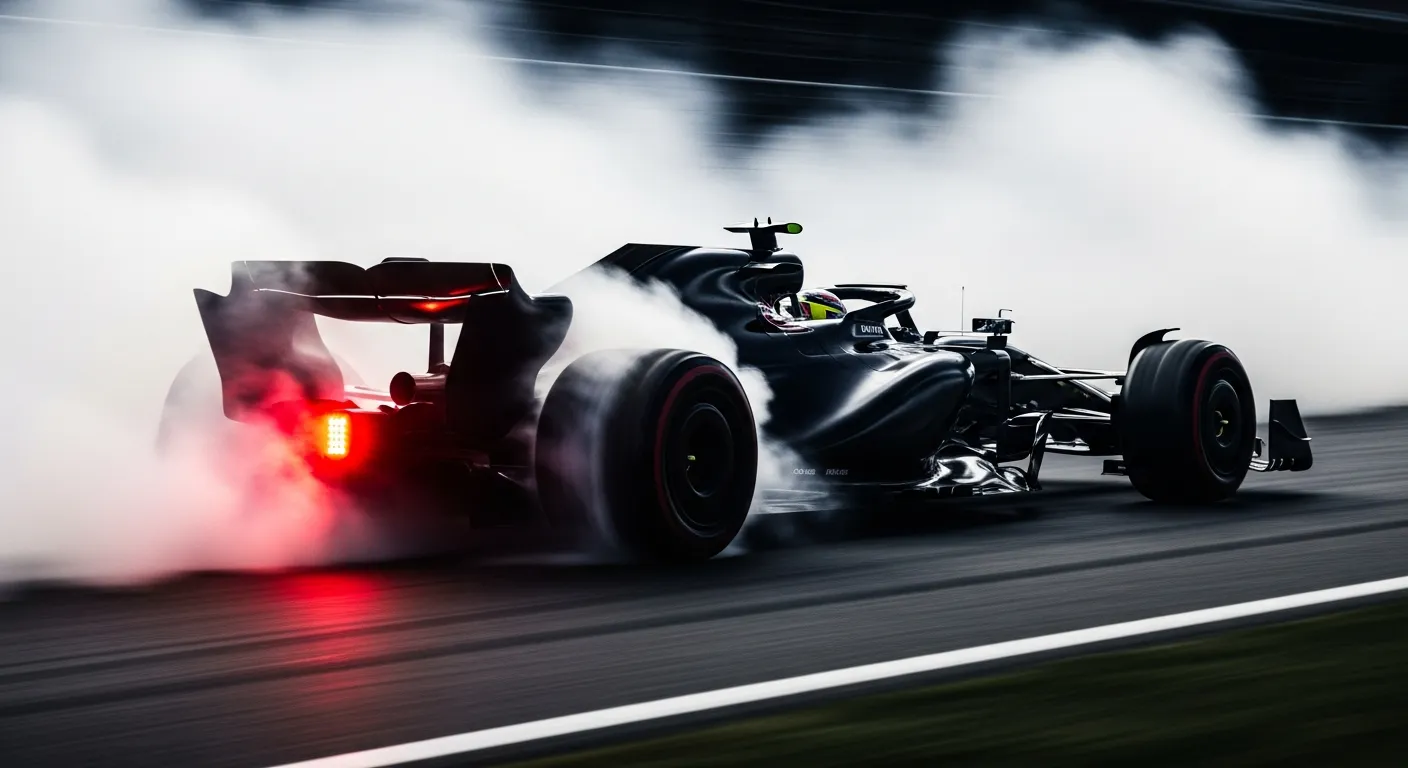
The 2014 Hungarian Grand Prix presented Lewis Hamilton with one of his most challenging, yet ultimately rewarding, recovery drives of the season, culminating in a third-place finish for Mercedes. Starting from a compromised grid position of 22 following a qualifying fire, the British driver navigated the narrow, technical Hungaroring circuit with precision and pace, demonstrating the inherent capabilities of the Mercedes W05. This round, the eleventh of the 2014 [Formula 1 — official site](https://www.formula1.com/en) season, saw Hamilton overcome significant adversity from the outset, a testament to his racecraft and the strategic execution by his Mercedes team. The Hungaroring, notorious for its tight corners and limited overtaking opportunities, makes a climb from the back of the grid particularly arduous, requiring a blend of aggressive driving and judicious tire management. Hamilton's ascent through the field was a masterclass in controlled aggression. He systematically picked off competitors, making the most of any safety car periods and strategic pit stops. His race pace was consistently strong, culminating in a fastest lap on lap 36, recorded at 1:27.380, which ranked him fourth overall in the race's fastest laps. This sustained performance was crucial in his ability to gain 19 positions over the 70 laps. The Mercedes team's strategic calls were equally sharp, allowing Hamilton to optimize his track position and tire windows. While his teammate Nico Rosberg, who started from pole position (grid 1) and held the actual fastest lap of the race with a 1:25.724 on lap 64, finished just one place behind Hamilton in fourth, the context of Hamilton's starting position elevates his podium finish. It underscored a distinct ability to extract performance under pressure, even when the car was not on the front row. The complexities of [Formula One](https://en.wikipedia.org/wiki/Formula_One) racing often create scenarios where driver skill can overcome grid disadvantages, much like how [Carlos Sainz at the 2024 Las Vegas Grand Prix](/results/2024-las-vegas-carlos-sainz) navigated a challenging starting position to secure a strong result. The [FIA — F1 World Championship](https://www.fia.com/events/fia-formula-one-world-championship) regulations of the era facilitated such dramatic recoveries, emphasizing the blend of driver talent and technical prowess. Hamilton's consistent lap times, discernible in historical [F1 season data](https://api.jolpi.ca/ergast/f1/2026.json), allowed him to maintain pressure on the cars ahead, eventually crossing the finish line just +5.857 seconds behind the race winner, Daniel Ricciardo. This drive highlighted the competitive nature of the 2014 season and the Mercedes team's formidable package, even when faced with an unexpected starting position. Such drives are a hallmark of top-tier talent, reminiscent of [Alexander Albon at the 2024 Las Vegas Grand Prix](/results/2024-las-vegas-alex-albon) demonstrating strong race pace from a difficult grid slot, or even the strategic nuances seen with [Esteban Ocon at the 2024 Las Vegas Grand Prix](/results/2024-las-vegas-esteban-ocon). For more details on the race weekend, the official [Formula 1 archives](https://www.formula1.com/en/results.html) provide comprehensive data. The 15 points secured were vital for his championship campaign, keeping him firmly in contention and demonstrating his resilience, a key factor in the overall [F1 championship standings](https://www.fia.com/championship/standings).
Verified race record · Ergast
Grid
Pit
Finish
P3
Points
15
Laps
70
Constructor
Mercedes AMG F1
Status
Finished
Teammate that weekend
Nico Rosberg
Grid P1 · Finish P4 · 12 pts
Championship · before vs after
Before round 11
P2176 pts
After round 11
P2191 pts