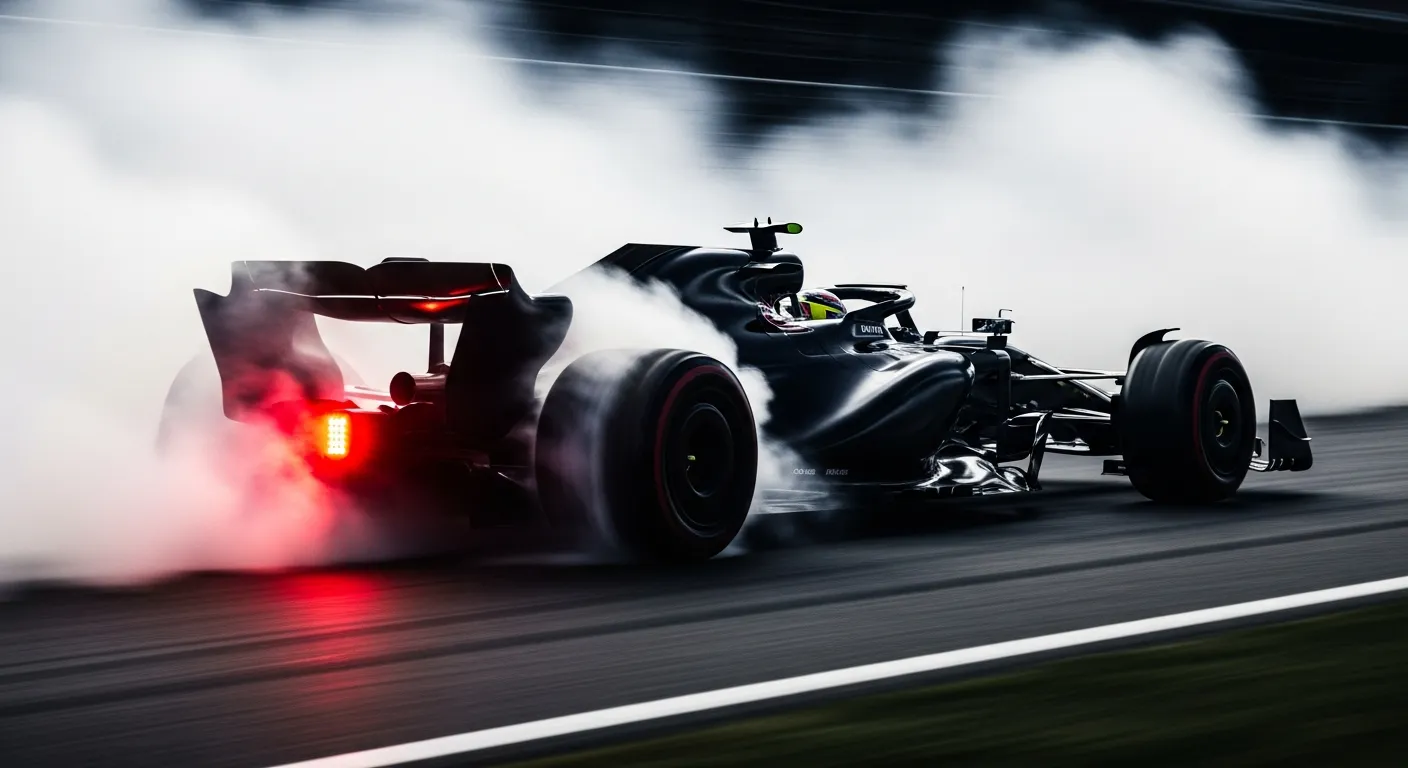
Nico Hülkenberg's drive at the 2014 Brazilian Grand Prix at the [Autódromo José Carlos Pace](https://en.wikipedia.org/wiki/Aut%C3%B3dromo_Jos%C3%A9_Carlos_Pace) showcased consistent race pace, culminating in a valuable points finish for Force India. Starting from 12th on the grid, Hülkenberg navigated the 71-lap race with precision, crossing the line in 8th position, 1 minute and 3.934 seconds behind race winner Nico Rosberg. This result added 4 crucial points to his season tally, marking a solid recovery from his qualifying position. His ability to manage the race and extract performance was evident in his fastest lap, a 1:13.728 on lap 70, which was the third quickest of the entire field, demonstrating the potential of the [Force India VJM07](https://en.wikipedia.org/wiki/Force_India_VJM07) in race trim, particularly in the closing stages of the Grand Prix. This strong individual performance contrasted with his teammate Sergio Pérez's outing, who started 18th and finished 15th, a lap down, highlighting Hülkenberg's ability to maximize the package.
The German driver's strategic execution was key to his climb through the midfield. While the Mercedes cars of Rosberg and [Lewis Hamilton](/results/2015-red-bull-ring-lewis-hamilton) dominated at the front, Hülkenberg focused on optimizing his own race strategy. His sustained pace, especially towards the end of the Grand Prix, allowed him to gain four positions from his starting grid slot. This kind of consistent points scoring was a hallmark of Hülkenberg's 2014 season, where he frequently outperformed his qualifying position, a trait also observed in his later career, such as his drive at the [2015 Austrian Grand Prix](/results/2015-red-bull-ring-nico-hulkenberg). The [Formula 1 official site](https://www.formula1.com/en) provides detailed race reports that often highlight such strategic drives and driver performances. Understanding the full scope of a season's performance requires looking at the [FIA's F1 World Championship data](https://www.fia.com/events/fia-formula-one-world-championship), which tracks driver and constructor standings over time. For a deeper dive into historical race data and driver statistics, resources like [Jolpica/Ergast's F1 data](https://api.jolpi.ca/ergast/f1/2026.json) offer comprehensive records of past seasons. His consistent ability to deliver points for Force India, even when starting outside the top ten, underscored his reputation as a reliable and quick driver capable of extracting maximum performance from his machinery, a skill often seen in seasoned F1 competitors like [Fernando Alonso](/results/2015-red-bull-ring-fernando-alonso) in various campaigns. The overall context of the [2014 Formula One season](https://en.wikipedia.org/wiki/2014_Formula_One_season) reveals a highly competitive midfield where such consistent point scoring was crucial for teams like Force India.
Verified race record · Ergast
Grid
P12
Finish
P8
Points
4
Laps
71
Constructor
Force India F1 Team
Status
Finished
Teammate that weekend
Sergio Pérez
Grid P18 · Finish P15 · 0 pts
Championship · before vs after
Before round 18
P976 pts
After round 18
P980 pts