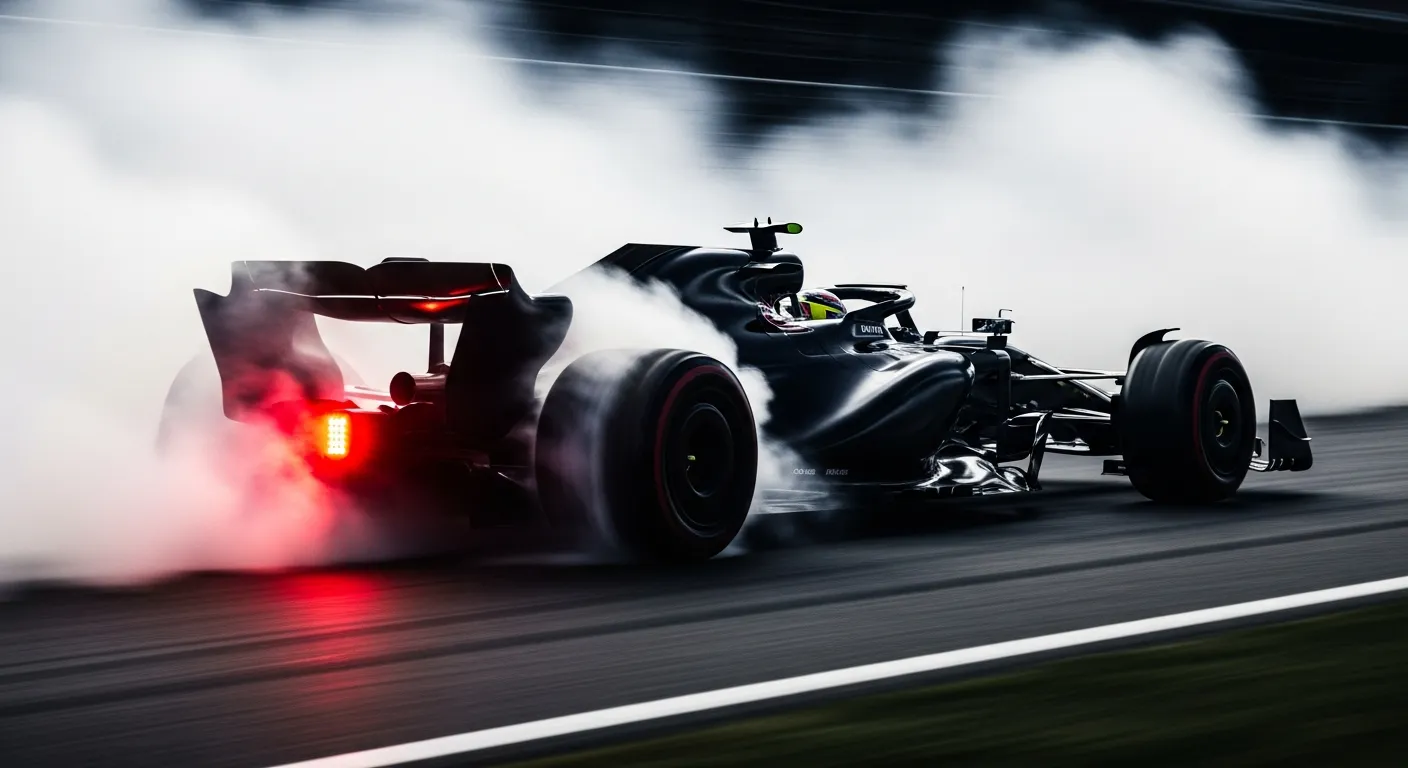
Nico Hülkenberg's performance at the 2014 Canadian Grand Prix on June 8 showcased a calculated drive from the midfield, converting an 11th-place grid position into a valuable fifth-place finish for Force India. This result underscored his ability to capitalize on race developments and maintain strong race pace at the Circuit Gilles Villeneuve.
Starting from P11, Hülkenberg demonstrated consistent pace throughout the 70-lap event. While the race saw significant incidents, including the high-speed collision involving his Force India teammate Sergio Pérez and Felipe Massa on lap 69, Hülkenberg maintained a measured approach, avoiding entanglement. His fastest lap of 1:18.936, recorded on lap 64, ranked eighth overall among all drivers, indicating a strong late-race push as he closed in on the McLaren of Jenson Button, ultimately finishing just over a second behind him. This result marked a solid points haul for the German driver, adding 10 points to his championship tally. Understanding the intricacies of a Grand Prix weekend, from qualifying to race day, is crucial for such consistent results, as detailed on the [Formula 1 — official site](https://www.formula1.com/en). The competitive field in 2014, with new power unit regulations, meant that every point was hard-fought, a dynamic that shaped the entire season, extensively covered on [Wikipedia: Formula One](https://en.wikipedia.org/wiki/Formula_One).
Hülkenberg's ability to extract performance from the Force India VJM07 in these evolving conditions was evident, particularly given the challenges faced by other front-running teams. For instance, Lewis Hamilton, starting from P2 for Mercedes, retired on lap 46 due to brake issues, highlighting the reliability pressures of the new hybrid era. Hülkenberg, however, completed all 70 laps, crossing the line 12.843 seconds behind race winner Daniel Ricciardo. This strong showing in Montreal built momentum for the subsequent rounds, including his participation in the [2014 Austrian Grand Prix](/results/2014-red-bull-ring-nico-hulkenberg) where he would again aim for points. The official results and timing data for all F1 events, including the 2014 season, are meticulously recorded and can be explored via resources like the [FIA — F1 World Championship](https://www.fia.com/events/fia-formula-one-world-championship).
The strategic decisions made by the Force India pit wall, combined with Hülkenberg's precise execution, allowed him to climb six positions from his starting grid slot. This contrasts with the varied fortunes of other drivers, such as [Fernando Alonso at the 2014 British Grand Prix](/results/2014-silverstone-fernando-alonso), who often battled fiercely in the midfield during this period. The race itself was a dynamic affair, with the new hybrid era bringing a different set of engineering challenges, as seen in the various retirements due to mechanical issues like ERS and drivetrain failures across the grid. Hülkenberg's consistent running allowed him to capitalize on these situations, demonstrating the reliability and race craft necessary to secure a top-five position. For comprehensive historical race data, including detailed lap times and average speeds, platforms like [Jolpica/Ergast — 2026 season data](https://api.jolpi.ca/ergast/f1/2026.json) provide invaluable insights into every Grand Prix. Further analysis of driver performances in similar conditions can be seen in entries such as [Lewis Hamilton at the 2014 Belgian Grand Prix](/results/2014-spa-francorchamps-lewis-hamilton). Adherence to technical regulations is paramount for competition, with details available through official channels, such as the [FIA's technical regulations](https://www.fia.com/fia-formula-1-world-championship).
Verified race record · Ergast
Grid
P11
Finish
P5
Points
10
Laps
70
Constructor
Force India F1 Team
Status
Finished
Teammate that weekend
Sergio Pérez
Grid P13 · Finish P11 · 0 pts
Championship · before vs after
Before round 7
P547 pts
After round 7
P657 pts