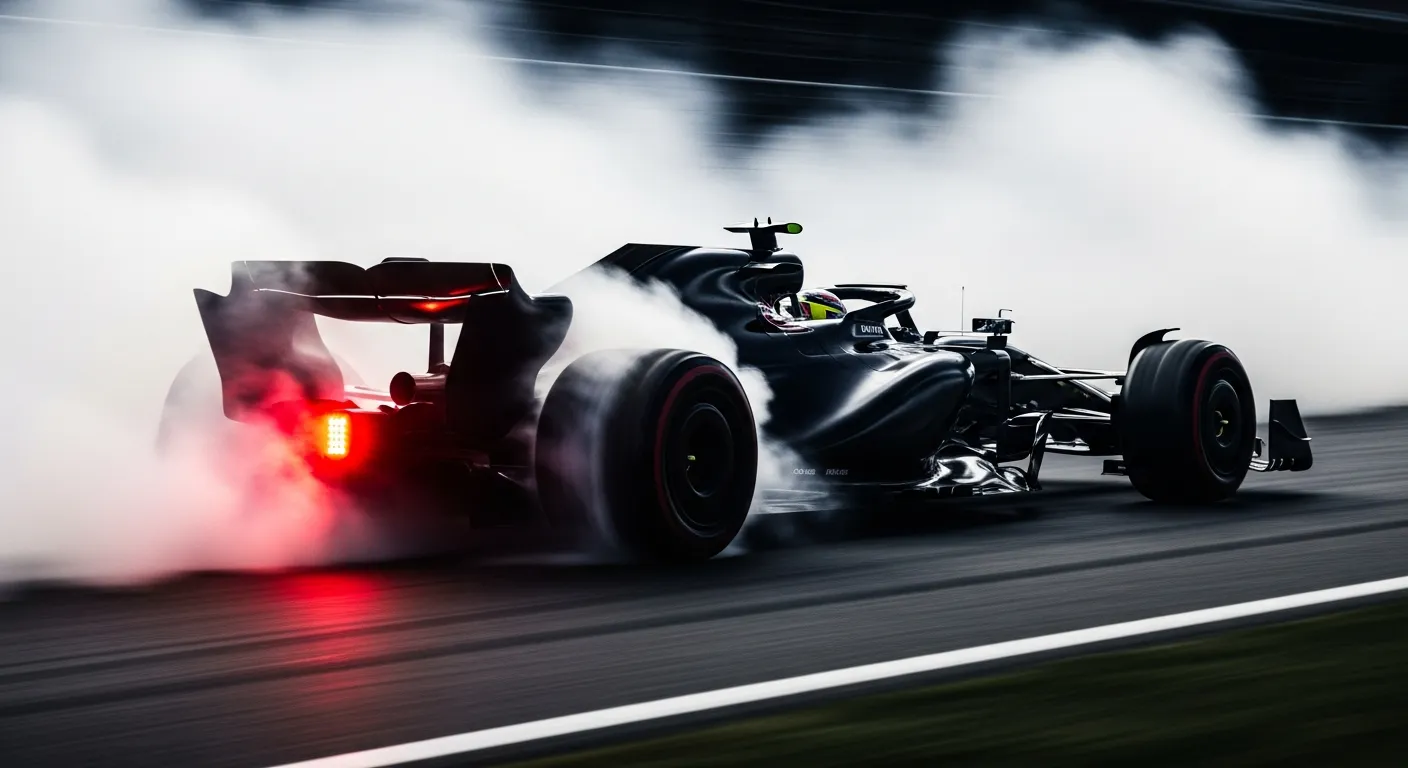
Carlos Sainz's 2015 Bahrain Grand Prix was a stark reminder of the mechanical frailties that can punctuate a season, with his race concluding on lap 29 due to an engine failure. Starting from ninth on the grid, Sainz had positioned his Toro Rosso competently within the midfield battles on the Sakhir International Circuit. The early phases of the race saw him navigating the challenging conditions, demonstrating the racecraft that would become a hallmark of his career. Despite the eventual retirement, Sainz managed to log a fastest lap of 1:40.651 on lap 13, ranking 17th overall among competitors. This early pace hinted at potential, but the reliability issues ultimately overshadowed any on-track gains, denying him the opportunity to convert a promising qualifying effort into championship points.
The retirement for Sainz was particularly frustrating for the [Toro Rosso](https://www.formula1.com/en) team, as it mirrored a broader struggle with power unit reliability that weekend. His teammate, Max Verstappen, also failed to finish the race, retiring five laps later on lap 34 due to an "Electrical" issue. Such double retirements underscore the immense pressure on teams to optimize every component, a constant challenge for all constructors in the highly competitive environment of [Formula 1 — official site](https://www.formula1.com/en). The technical demands of the sport are rigorously enforced by bodies like the [FIA — F1 World Championship](https://www.fia.com/events/fia-formula-one-world-championship), which sets the guidelines for engine specifications and reliability. For a young driver like Sainz, then in his debut season, these mechanical setbacks are part of the steep learning curve in F1, a journey that sees many talents, such as [Fernando Alonso at the 2024 Miami Grand Prix](/results/2024-miami-fernando-alonso), navigate similar early career challenges. The broader landscape of [Wikipedia: Formula One](https://en.wikipedia.org/wiki/Formula_One) history is replete with examples of promising drives cut short by mechanical gremlins, illustrating that even the most skilled drivers are at the mercy of their machinery. Examining historical data, including that found in resources like [Jolpica/Ergast — 2026 season data](https://api.jolpi.ca/ergast/f1/2026.json), reveals the persistent nature of such engineering hurdles across different eras of the sport. While the immediate outcome was zero points, the experience gained in those 29 laps, particularly in managing tire degradation and race pace, contributed to Sainz's development. This kind of early career adversity, while frustrating, often builds resilience, a trait evident in drivers like [Lando Norris at the 2024 Miami Grand Prix](/results/2024-miami-lando-norris) who have also faced their share of technical challenges in their formative years. The intricacies of engine management and component longevity are critical factors, as seen in the performance data available through the [Formula 1 — official site's technical analyses](https://www.formula1.com/en/technical.html). Even top teams face these issues, as exemplified by the strategic considerations for drivers like [George Russell at the 2024 Miami Grand Prix](/results/2024-miami-george-russell) in managing their power units throughout a season, demonstrating that reliability remains a cornerstone of success in the sport.
Verified race record · Ergast
Grid
P9
Finish
Wheel hub
Points
0
Laps
29
Constructor
Scuderia Toro Rosso
Status
Wheel hub
Teammate that weekend
Max Verstappen
Grid P15 · Electrical · 0 pts
Championship · before vs after
Before round 4
P126 pts
After round 4
P126 pts