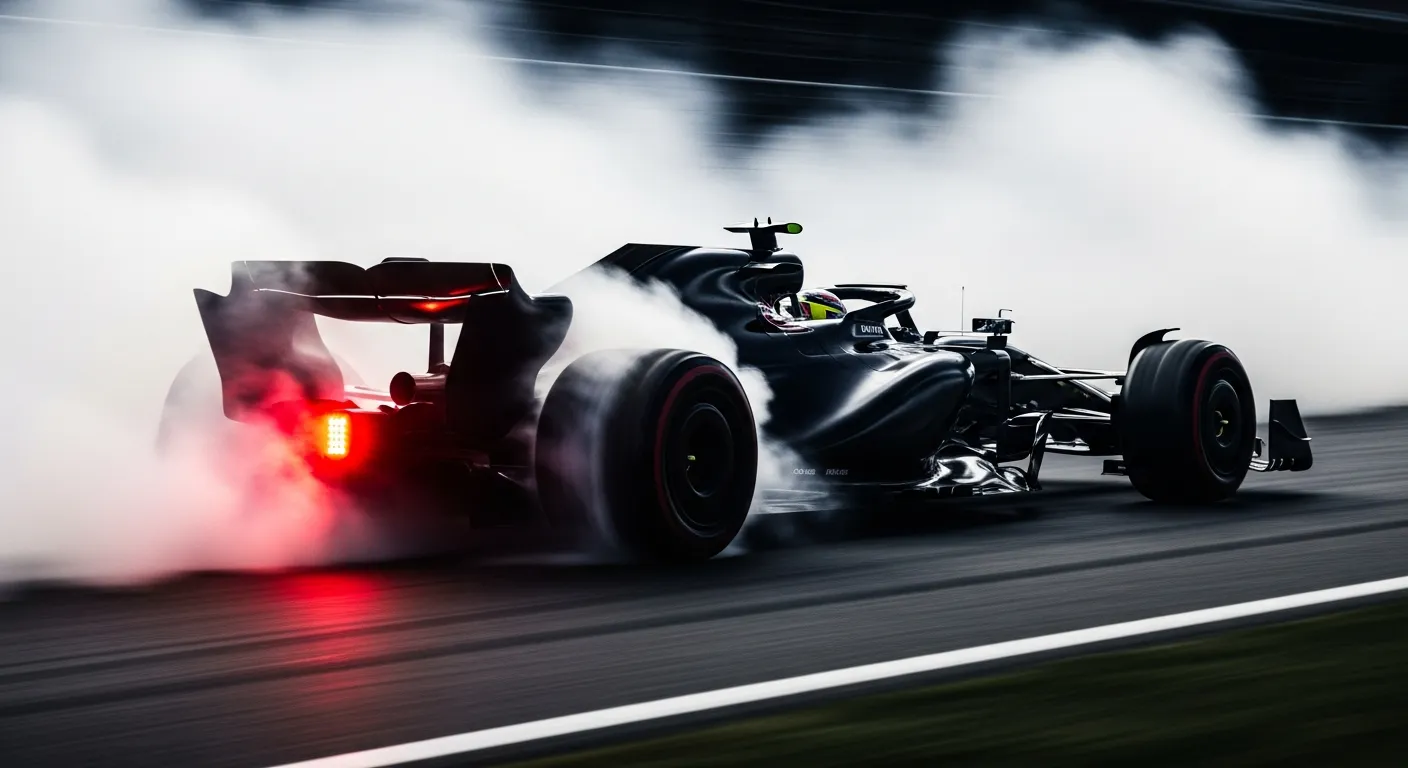
Lewis Hamilton's performance at the 2015 Abu Dhabi Grand Prix, the concluding event of a season where he had already secured his third World Championship, saw him drive to a second-place finish, underscoring his consistent form even without the ultimate title pressure. Starting from the second position on the grid, Hamilton navigated the 55-lap race at the Yas Marina Circuit with his characteristic blend of aggression and precision. His Mercedes W06 Hybrid, a dominant machine throughout the 2015 campaign, allowed him to push for optimal performance, culminating in the fastest lap of the race on lap 44, clocking a 1:44.517. This demonstrated his raw pace and the car's inherent speed, even as his teammate, Nico Rosberg, converted pole position into a victory, finishing 8.271 seconds ahead. The Mercedes team's formidable package ensured a clean 1-2 finish, a common sight during their dominant hybrid era, reflecting the meticulous engineering and strategic planning detailed on the [official Formula 1 site](https://www.formula1.com/en). Hamilton's drive, while not a victory, was a masterclass in race management and sustained effort, securing 18 points for his championship tally and adding to his already impressive season total. The race unfolded under the unique twilight conditions of Abu Dhabi, presenting specific challenges in tire management and strategic pit stops across its 55 laps. Hamilton's ability to maintain consistent lap times, particularly his fastest lap on lap 44 with an average speed of 191.302 kph, highlighted his adeptness at extracting performance from the Pirelli tires late in a stint. While the championship had been decided, the pursuit of individual race victories and strong finishes remained a key motivator for drivers and teams, influencing strategic decisions throughout the field. The competitive dynamics of the season's finale also saw strong drives from other contenders; Kimi Räikkönen secured third for Ferrari, showcasing their improving form, while Sebastian Vettel mounted an impressive charge from 15th on the grid to finish fourth, demonstrating the potential for significant gains through strategic execution. These individual battles, alongside the overarching team strategies, are meticulously documented in [F1 data archives like Jolpica/Ergast](https://api.jolpi.ca/ergast/f1/2026.json), providing rich context for historical analysis. The ongoing evolution of race strategies and driver skill continues to shape the sport, with emerging talents like [Oliver Bearman at the 2025 Dutch Grand Prix](/results/2025-zandvoort-oliver-bearman) and established competitors such as [Carlos Sainz at the 2025 Dutch Grand Prix](/results/2025-zandvoort-carlos-sainz) constantly adapting to the demands of modern F1. The comprehensive framework of the sport, including technical regulations and sporting codes, is overseen by the [FIA, the governing body of motorsport](https://www.fia.com/events/fia-formula-one-world-championship), ensuring fair competition across all rounds. Hamilton's consistent performance throughout 2015, culminating in this strong finish, solidified his status as a formidable force in the sport, a legacy that contributes to the broader narrative of [Formula One's history on Wikipedia](https://en.wikipedia.org/wiki/Formula_One). This era of intense competition continues to inspire future generations of drivers, including those like [Yuki Tsunoda at the 2025 Dutch Grand Prix](/results/2025-zandvoort-yuki-tsunoda), who strive to leave their mark on the grid.
Verified race record · Ergast
Grid
P2
Finish
P2
Points
18
Laps
55
Constructor
Mercedes AMG F1
Status
Finished
Teammate that weekend
Nico Rosberg
Grid P1 · Finish P1 · 25 pts
Championship · before vs after
Before round 19
P1363 pts
After round 19
P1381 pts