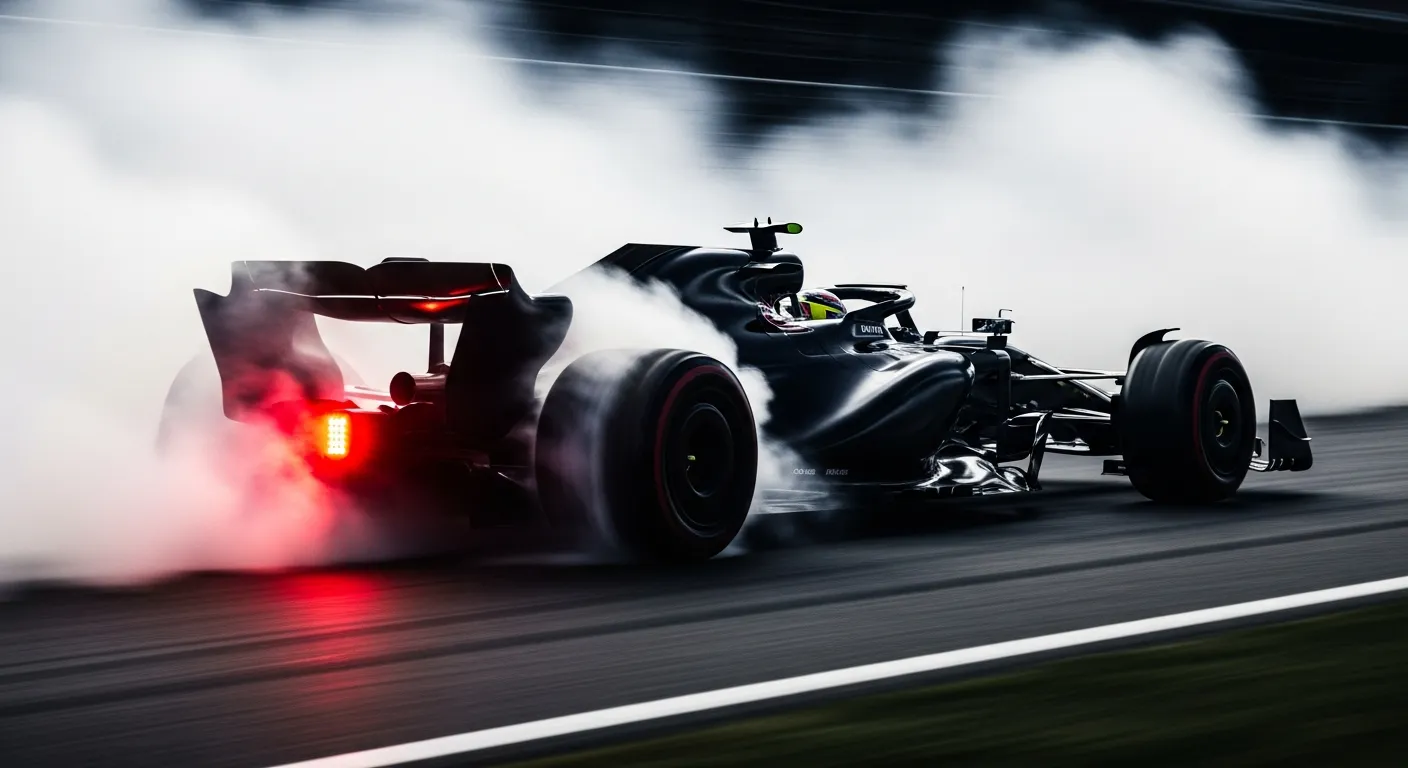
The 2016 Abu Dhabi Grand Prix, the final round of the season at the Yas Marina Circuit, proved to be a challenging conclusion for Carlos Sainz and the Toro Rosso team. Starting from a grid position of 21, Sainz faced an uphill battle from the outset. Despite the difficult starting point, he demonstrated consistent pace, recording his fastest lap of "1:46.591" on lap 30, with an average speed of 187.58 kph, placing his individual lap speed ranking at 18th among all drivers. This performance underscored the underlying potential within the STR11 chassis, even as the race unfolded with its customary intensity for a season finale.
However, Sainz's efforts were ultimately curtailed on lap 41, when he was forced to retire from the race due to "Collision damage." This unfortunate incident meant he completed 41 laps of the 55-lap event, scoring no points for his constructor. His teammate, Daniil Kvyat, also experienced a retirement earlier in the race on lap 14 due to a "Gearbox" issue, highlighting a difficult weekend for the Italian outfit. The race itself was a high-stakes affair, culminating in the championship decider, which saw Lewis Hamilton take the win, though Nico Rosberg secured the title by finishing second, as detailed in the official [Formula 1 — official site](https://www.formula1.com/en) records. Such outcomes underscore the fine margins in F1, where even a strong drive can be undone by unforeseen circumstances, a narrative not dissimilar to the challenges faced by drivers like [Nico Hülkenberg at the 2023 Belgian Grand Prix](/results/2023-spa-francorchamps-nico-hulkenberg) or the dominant run of [Max Verstappen at the 2023 Hungarian Grand Prix](/results/2023-hungaroring-max-verstappen) in later seasons. The intricate details of race incidents and their impact on driver standings are often analyzed using comprehensive [F1 World Championship data](https://api.jolpi.ca/ergast/f1/2026.json), providing a deeper understanding of each season's narrative.
Sainz's retirement in Abu Dhabi meant a missed opportunity to add to his season tally. The nature of "Collision damage" often points to the unpredictable elements of racing, where even minor contact can have significant consequences for a car's integrity and performance, a topic frequently explored in the technical regulations governed by the [FIA — F1 World Championship](https://www.fia.com/events/fia-formula-one-world-championship). For a deeper dive into the sport's history and regulations, the [Wikipedia: Formula One](https://en.wikipedia.org/wiki/Formula_One) entry offers extensive context. While the race ended in disappointment for Sainz, his performance throughout the season had already established his burgeoning talent within the F1 paddock. The event served as a stark reminder of the fine line between a points finish and an early exit, a reality for every competitor on the grid, including those who have faced similar challenges, such as [Lewis Hamilton at the 2023 Hungarian Grand Prix](/results/2023-hungaroring-lewis-hamilton) where strategic calls are paramount. Further information on the race results can be found on the [official Formula 1 website](https://www.formula1.com/en) and through detailed [F1 season data archives](https://api.jolpi.ca/ergast/f1/2026.json).
Verified race record · Ergast
Grid
P21
Finish
Collision damage
Points
0
Laps
41
Constructor
Scuderia Toro Rosso
Status
Collision damage
Teammate that weekend
Daniil Kvyat
Grid P17 · Gearbox · 0 pts
Championship · before vs after
Before round 21
P1246 pts
After round 21
P1246 pts