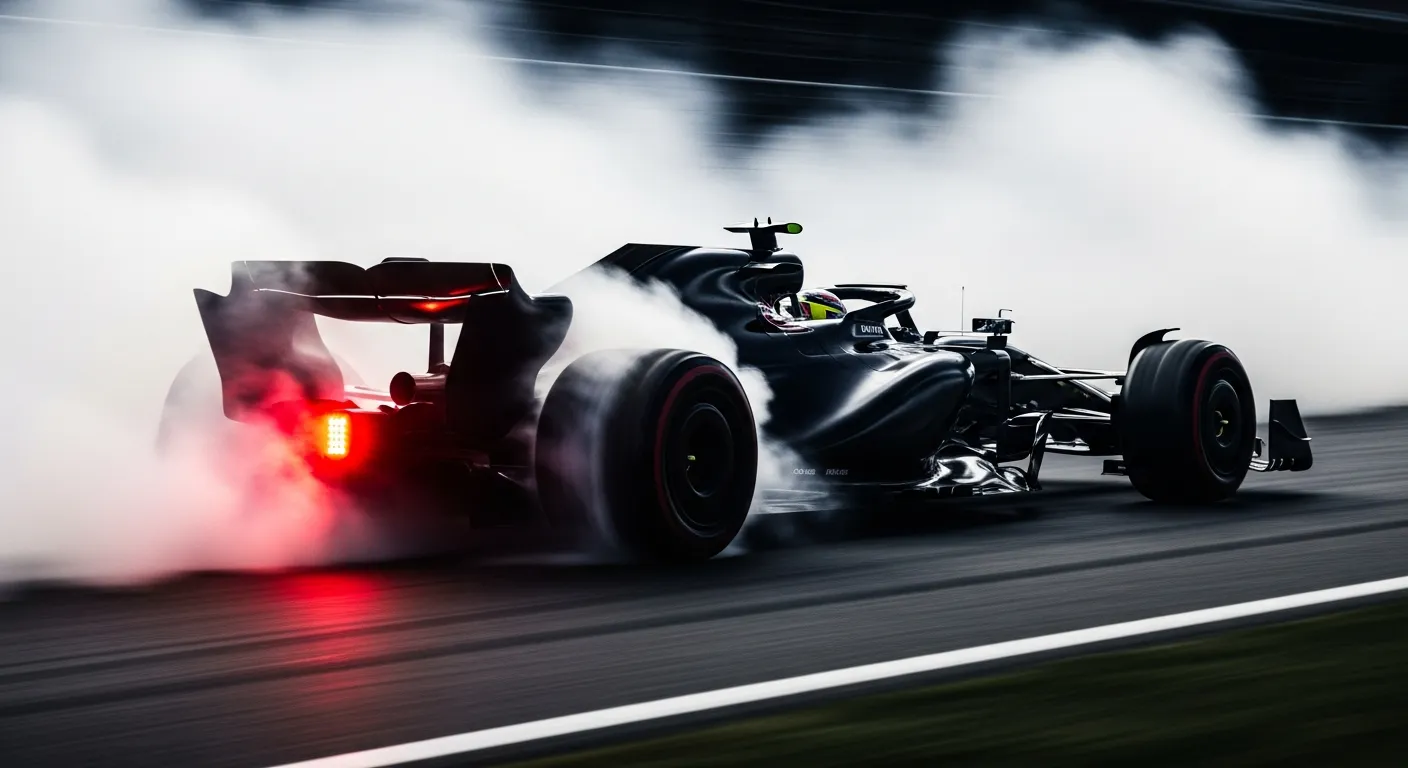
Lance Stroll's introduction to Formula 1 at the 2017 Australian Grand Prix in Melbourne was marked by a challenging race debut for Williams, ultimately ending in retirement. Starting from the back of the grid in 20th position, the Canadian driver faced an uphill battle on the demanding Albert Park circuit. The race, held on March 26, 2017, saw Stroll navigate 40 laps before his Williams FW40 experienced a critical brake issue, forcing him to withdraw. This mechanical failure meant Stroll did not register a classified finish, earning 0 points for his efforts, a stark contrast to his teammate Felipe Massa, who secured a 6th place finish and 8 points for the British constructor. The difference in fortunes highlighted the steep learning curve for a rookie in a new era of F1 machinery, a sentiment echoed by many drivers making their debut, much like [Esteban Ocon at the 2026 Singapore Grand Prix](/results/2026-marina-bay-esteban-ocon) would face years later. The complexity of the technical regulations in [Formula 1 — official site](https://www.formula1.com/en) often presents significant hurdles for new entrants.
Despite the early retirement, Stroll demonstrated glimpses of potential, recording a fastest lap of 1:29.389 on lap 38, which placed him 14th overall in the fastest lap rankings for the race, ahead of several more experienced competitors. This lap speed, achieved just two laps before his retirement due to "Brakes," indicated that he was finding pace and adapting to the car and the circuit. The 2017 season introduced significant aerodynamic changes, making cars faster and more physically demanding, a factor that challenged all drivers, including seasoned veterans. Understanding the intricacies of these new regulations is crucial for performance, as detailed on the [FIA — F1 World Championship](https://www.fia.com/events/fia-formula-one-world-championship) page, which governs the sport. While the race was won by Sebastian Vettel for Ferrari, the broader context of the [Formula 1 season narrative](https://www.formula1.com/en) often focuses on these individual stories of challenge and adaptation. For a deeper dive into historical F1 data, resources like [Jolpica/Ergast — 2026 season data](https://api.jolpi.ca/ergast/f1/2026.json) provide comprehensive records of results and statistics. The debut for any driver, whether it's [Carlos Sainz at the 2026 Singapore Grand Prix](/results/2026-marina-bay-carlos-sainz) or [Alexander Albon at the 2026 Singapore Grand Prix](/results/2026-marina-bay-alex-albon), always carries unique pressures and technical demands, often leading to varied outcomes. The incident served as an early lesson in the unforgiving nature of top-tier motorsport, a common theme across the [Wikipedia: Formula One](https://en.wikipedia.org/wiki/Formula_One) history, where mechanical reliability is paramount.
Verified race record · Ergast
Grid
P20
Finish
Brakes
Points
0
Laps
40
Constructor
Williams Grand Prix Engineering
Status
Brakes
Teammate that weekend
Felipe Massa
Grid P7 · Finish P6 · 8 pts