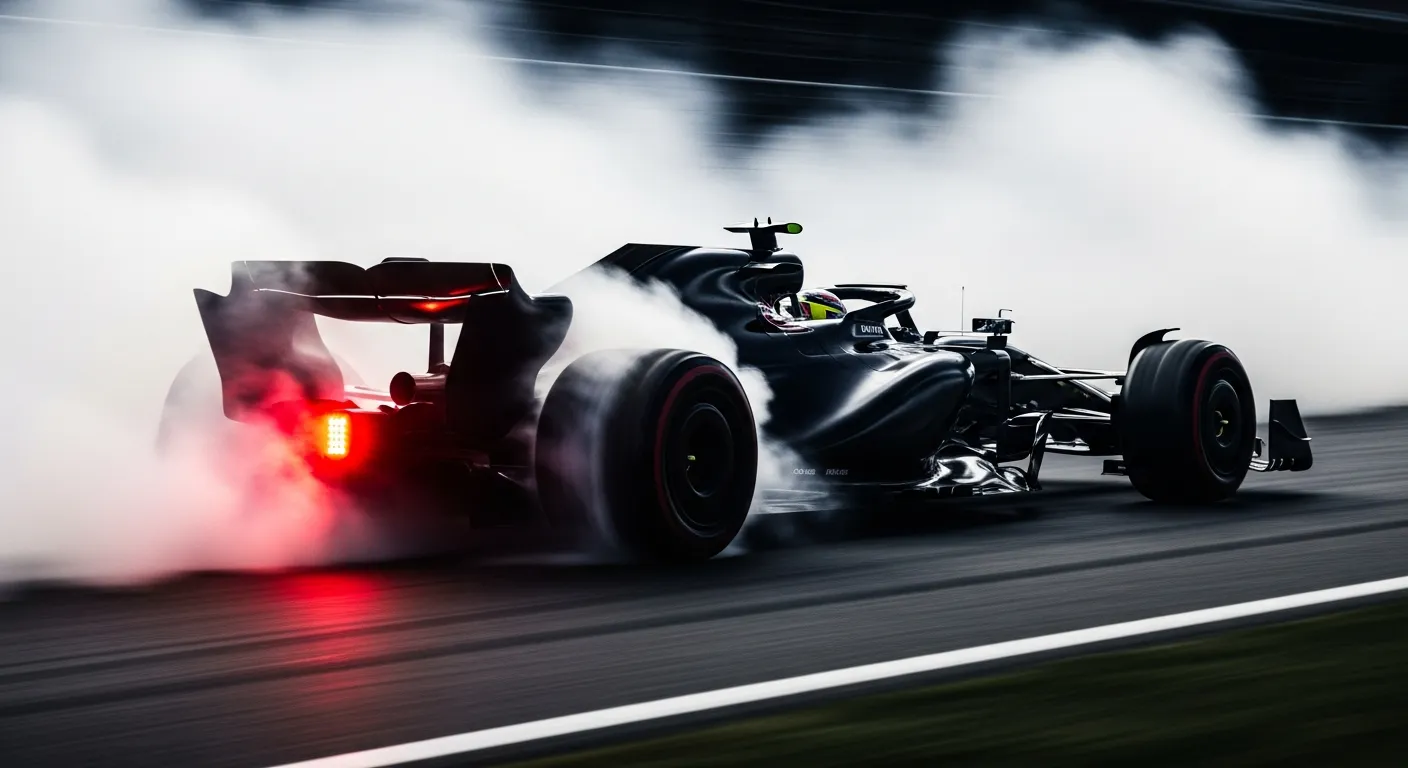
Nico Hülkenberg's outing at the 2017 Spanish Grand Prix at the Circuit de Barcelona-Catalunya showcased a determined drive, seeing the German pilot his Renault Sport Formula One Team entry from a P13 grid slot to a commendable P6 finish. Completing 65 laps, Hülkenberg was classified one lap down from the race winner, a testament to consistent pace and effective race management in a competitive field. This result marked a significant points haul for the team, demonstrating the potential within the Renault package during the early stages of the 2017 [Formula 1 — official site](https://www.formula1.com/en) season. The race itself was not without incident for others, with several high-profile retirements impacting the final standings, including Max Verstappen and Kimi Räikkönen in a first-lap collision, and Valtteri Bottas later due to an engine issue, creating opportunities that Hülkenberg capitalized on.
Hülkenberg's fastest lap of 1:26.703, recorded on lap 56, placed him 15th in the overall fastest lap rankings for the event. His teammate, Jolyon Palmer, finished P15, two laps down, highlighting Hülkenberg's stronger execution on race day despite Palmer's quicker individual lap on lap 44. The strategic demands of Barcelona, a circuit where tire management and aerodynamic efficiency are paramount, were navigated effectively by Hülkenberg. This performance underscored his ability to extract results, a trait that would also be seen in drivers like [Esteban Ocon at the 2023 Spanish Grand Prix](/results/2023-barcelona-esteban-ocon) in later seasons. Detailed race data, often available through platforms like [Jolpica/Ergast — 2026 season data](https://api.jolpi.ca/ergast/f1/2026.json), confirms the strategic depth required to convert a midfield start into a strong points finish. Hülkenberg would return to this circuit, as would [Nico Hülkenberg at the 2023 Spanish Grand Prix](/results/2023-barcelona-nico-hulkenberg), with varying fortunes. The broader context of [Wikipedia: Formula One](https://en.wikipedia.org/wiki/Formula_One) racing in 2017 saw Mercedes and Ferrari locked in a championship battle, making midfield points crucial for teams like Renault. Similarly, drivers such as [Carlos Sainz at the 2023 Spanish Grand Prix](/results/2023-barcelona-carlos-sainz) have consistently shown the importance of strong performances at their home race.
Verified race record · Ergast
Grid
P13
Finish
P6
Points
8
Laps
65
Constructor
Renault Sport Formula One Team
Status
+1 Lap
Teammate that weekend
Jolyon Palmer
Grid P17 · Finish P15 · 0 pts
Championship · before vs after
Before round 5
P116 pts
After round 5
P1114 pts