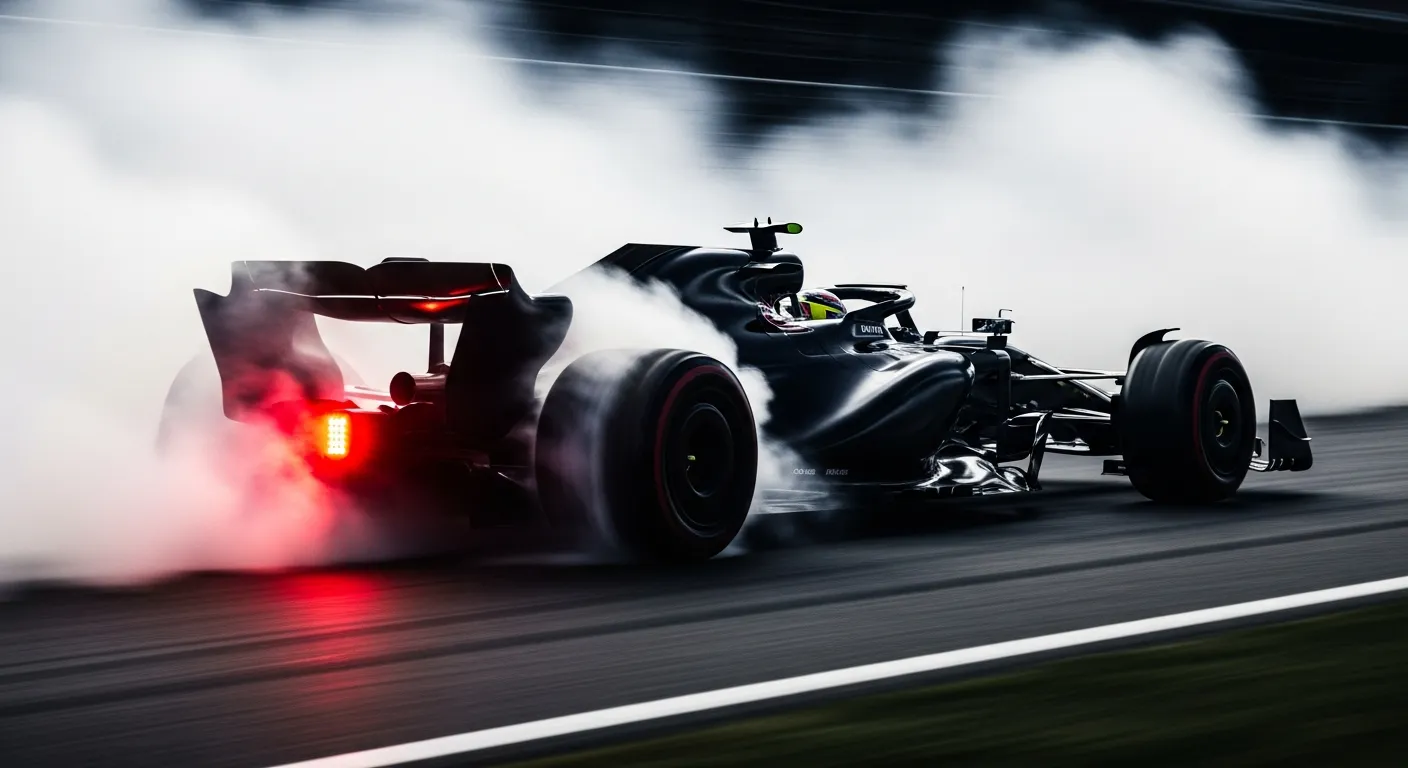
Max Verstappen's performance at the 2017 United States Grand Prix at the Circuit of the Americas was a testament to his aggressive racecraft and the Red Bull team's strategic acumen, transforming a challenging grid position into a significant points haul. Starting from 16th on the grid due to penalties, Verstappen embarked on a relentless charge through the field, demonstrating the pace and precision that would come to define his career. The early stages of the race saw him making decisive overtakes, navigating the tight midfield traffic with confidence. His ability to manage tires and extract performance was evident, culminating in a fastest lap on lap 39, clocked at 1:38.060, which was the fourth quickest of the entire race, showcasing the raw speed of his RB13. This impressive pace allowed him to close the gap to the front-runners, a detailed analysis of which can often be found on the [official Formula 1 site](https://www.formula1.com/en).
The race saw its share of drama, with Verstappen's Red Bull teammate, Daniel Ricciardo, forced to retire after just 14 laps due to an engine issue, highlighting the reliability challenges faced by the team that season. While Ricciardo's early exit removed a potential contender from the front, it placed additional pressure on Verstappen to deliver. He steadily climbed positions, eventually finding himself in a fierce battle for a podium spot in the closing laps. The final moments of the race were particularly intense, with Verstappen making a bold move on Kimi Räikkönen for third place on the final lap, a move that was later penalized, dropping him back to fourth. Despite the post-race penalty, his drive from 16th to a final classification of fourth, finishing just +16.768 behind race winner Lewis Hamilton, underscored a formidable effort. Fans keen on understanding the intricacies of race results and historical F1 data can explore resources like the [Jolpica/Ergast API](https://api.jolpi.ca/ergast/f1/2026.json) for various seasons. The strategic calls made by the Red Bull pit wall were crucial, allowing Verstappen to maximize his tire windows and capitalize on opportunities. This kind of aggressive, yet controlled, driving is what makes races like this memorable, echoing the spirited drives seen from other top competitors such as [Lewis Hamilton at the 2026 Australian Grand Prix](/results/2026-albert-park-lewis-hamilton) or even the strategic battles often faced by [Fernando Alonso at the 2026 Australian Grand Prix](/results/2026-albert-park-fernando-alonso). The Circuit of the Americas, with its demanding sector one and long back straight, provided the perfect canvas for such a recovery drive, a characteristic often observed in [FIA World Championship events](https://www.fia.com/events/fia-formula-one-world-championship). For a broader understanding of the sport's history and regulations, the [Wikipedia page on Formula One](https://en.wikipedia.org/wiki/Formula_One) offers extensive insights. The 2017 season was a competitive one, and Verstappen's drive here was a prime example of individual brilliance overcoming grid penalties and technical setbacks. His ability to maintain focus and push the car to its limits, even when his teammate was out of contention, speaks volumes about his mental fortitude. This race, while not a podium for Verstappen, was a strong indication of his growing prowess in the sport, a theme that continued to develop throughout his career, much like the consistent performances expected from drivers such as [George Russell at the 2026 Australian Grand Prix](/results/2026-albert-park-george-russell). Further details on specific race weekends are always available through the [Formula 1 archives](https://www.formula1.com/en/latest/all.html).
Verified race record · Ergast
Grid
P16
Finish
P4
Points
12
Laps
56
Constructor
Red Bull Racing
Status
Finished
Teammate that weekend
Daniel Ricciardo
Grid P4 · Engine · 0 pts
Championship · before vs after
Before round 17
P6111 pts
After round 17
P6123 pts